Navigating the complexities of modern business means constantly being aware of the digital landscape. Every organization, regardless of its size or industry, relies heavily on its network infrastructure, making it a prime target for various threats. Understanding and mitigating these risks isn’t just a good practice; it’s a fundamental requirement for business continuity and protecting sensitive information.

This is where a structured approach becomes invaluable. Instead of guessing where your vulnerabilities lie, a comprehensive risk assessment provides a clear, actionable roadmap. By systematically identifying potential weaknesses and threats, you can prioritize your security efforts and allocate resources more effectively, turning potential chaos into controlled protection.
Understanding the Core Components of Your Network Security Risk Assessment
Embarking on a network security risk assessment can feel like a daunting task, but breaking it down into manageable components makes the process much clearer. At its heart, a risk assessment aims to identify what you need to protect, what you are protecting it from, and how vulnerable it might be. This systematic approach ensures that no critical aspect is overlooked and that your security measures are truly aligned with your organization’s unique risk profile.
The journey typically begins with a thorough inventory of all your digital assets. These aren’t just your computers; they encompass everything that holds value within your network environment. Once you know what you have, the next step involves identifying potential threats that could compromise these assets. These threats can range from external cyberattacks to internal human errors or even natural disasters.
Identifying Your Critical Assets
Before you can protect something, you need to know exactly what it is. Asset identification is the foundational step of any risk assessment. This includes not only the obvious hardware but also the intangible elements that are vital to your operations. A good network security risk assessment template will guide you through cataloging these.
- Hardware (servers, workstations, network devices, mobile devices)
- Software (operating systems, applications, databases, proprietary tools)
- Data (customer records, intellectual property, financial information, HR data)
- People (employees, contractors, third-party vendors with network access)
- Processes (business-critical workflows, operational procedures)
Following asset identification, you then assess vulnerabilities associated with each asset and the likelihood of a threat exploiting those vulnerabilities. For instance, an outdated operating system on a server holding critical customer data represents a significant vulnerability that a ransomware attack (a threat) could easily exploit. Finally, you calculate the potential impact of such an event, which informs the overall risk level and helps in prioritizing mitigation strategies.
Leveraging a Network Security Risk Assessment Template for Efficiency
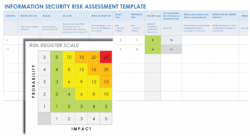
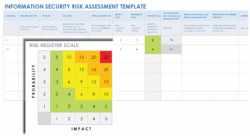
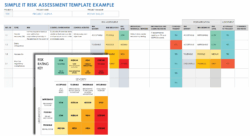
In a fast-paced environment, efficiency is key, and a well-designed network security risk assessment template can be a game-changer. Rather than starting from scratch every time you need to evaluate your security posture, a template provides a structured framework that guides you through each necessary step. This not only saves valuable time but also ensures consistency across assessments, making it easier to track progress and compare results over time.
A good template acts as a checklist, ensuring that all critical areas are covered, from asset identification to vulnerability analysis and control recommendations. It provides standardized categories and methodologies for assessing risk, which is especially beneficial for organizations that might not have dedicated security experts. By standardizing the process, it reduces the chances of human error and ensures a comprehensive review.
Think of a network security risk assessment template as your reliable co-pilot, helping you navigate the complex terrain of cybersecurity. It prompts you to ask the right questions, document your findings systematically, and ultimately arrive at a clear picture of your security landscape. This structured approach is vital for making informed decisions about where to invest your security resources for the maximum protective impact.
Beyond just identifying risks, a robust template also includes sections for documenting existing security controls and proposing new mitigation strategies. It helps you articulate not just the problem but also the solution, detailing recommended actions, assigning responsibilities, and setting timelines for implementation. This transforms the assessment from a theoretical exercise into an actionable plan that strengthens your overall security posture and fosters continuous improvement.
Taking a proactive stance on network security is no longer optional; it’s a business imperative. By regularly employing a structured approach to risk assessment, organizations can stay ahead of evolving threats and adapt their defenses effectively. This continuous cycle of identification, assessment, and mitigation builds a resilient security framework that protects against potential disruptions and maintains trust.
Ultimately, a thorough understanding and management of your network security risks lead to greater confidence in your operational capabilities and the integrity of your data. Implementing a consistent risk assessment strategy empowers your organization to make intelligent, data-driven decisions that safeguard your most valuable digital assets and support long-term success.