Embarking on a fitness journey, whether as a client or a personal trainer, is an exciting prospect filled with goals, progress, and often, sweat. However, beneath the enthusiasm lies an undeniable truth: exercise, while overwhelmingly beneficial, carries inherent risks. From minor sprains to more serious incidents, these possibilities are a natural part of physical activity. It’s precisely this understanding that underpins the importance of preparedness and proactive measures in the personal training world.
This preparation isn’t about instilling fear, but rather about fostering a safe and empowering environment for everyone involved. It’s about being responsible, professional, and ultimately, effective. That’s where a robust framework comes into play, something that guides trainers through potential hazards and helps them mitigate risks before they escalate. Think of it as your professional safety net, and in this article, we’ll explore the crucial elements that make up an effective personal training risk assessment template.
Why a Risk Assessment Is Your Training Superpower
In the dynamic world of personal training, your ability to guide clients safely through their fitness journey is paramount. A comprehensive risk assessment isn’t just a bureaucratic hurdle; it’s a fundamental pillar of professional practice that protects both you and your client. It demonstrates a commitment to safety, builds trust, and allows you to tailor programs with a deep understanding of individual needs and limitations. Ignoring this crucial step can lead to injuries, client dissatisfaction, and even legal repercussions, none of which are good for your reputation or your business.
A proactive approach to risk assessment means identifying potential hazards before they manifest as problems. It involves systematically evaluating all aspects of the training process, from the initial client consultation to the actual workout sessions, and even the environment in which training takes place. This isn’t about avoiding challenging workouts, but about ensuring those challenges are appropriate and safely managed for each unique individual. It transforms potential pitfalls into opportunities for thoughtful planning and a more secure training experience for everyone.
Common Areas to Consider
- Client health status and medical history: Understanding past injuries, chronic conditions, and current medications is non-negotiable.
- Exercise environment and equipment: Ensuring the training space is safe, clean, and all equipment is properly maintained and functional.
- Exercise selection and intensity: Matching exercises and their intensity to the client’s current fitness level, goals, and any physical limitations.
- Emergency procedures: Having clear, well-practiced protocols for handling accidents, medical emergencies, or unforeseen events.
- Trainer competence and qualifications: Reflecting on your own skills, certifications, and areas where you might need to refer a client to another specialist.
By meticulously addressing these areas, you transform guesswork into a structured, informed process. This systematic evaluation empowers you to make smarter decisions about exercise programming, client progression, and overall session management. It provides a level of peace of mind, knowing you’ve taken all reasonable steps to create a secure and supportive environment, allowing both you and your client to focus on achieving those fitness goals without undue worry. A structured approach, like that provided by a personal training risk assessment template, simplifies what might otherwise feel like an overwhelming task into manageable, actionable steps.
Building Your Robust Personal Training Risk Assessment Template
Crafting or adopting a personal training risk assessment template might seem like a daunting task at first, but it’s essentially about organizing common-sense safety practices into a clear, usable document. This template serves as your guiding star, ensuring no critical stone is left unturned when onboarding new clients or reviewing existing ones. It becomes a living document, a cornerstone of your professional toolkit that evolves with your experience and the specific needs of your client base. Starting with a solid framework makes the entire process more efficient and effective.
The core of any effective template lies in its ability to prompt trainers to consider various risk factors systematically. It should be comprehensive enough to cover a wide array of scenarios but also flexible enough to be tailored to individual client needs and diverse training environments. Think of it as a checklist that helps you dot every ‘i’ and cross every ‘t’ before a single rep is performed, helping you anticipate potential issues and plan accordingly.
To ensure your template is robust and truly useful, consider including dedicated sections for different categories of risk. This segmentation helps in breaking down complex information into digestible parts, making the assessment process thorough without being overwhelming. It encourages a holistic view of client safety, encompassing not just physical health but also environmental factors and emergency preparedness.
- Client Intake Information: Basic demographics, emergency contacts, consent for data handling.
- Health Screening: PAR-Q and You questionnaire, detailed medical history, current medications, previous injuries, allergies.
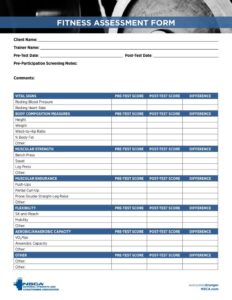
- Fitness Assessment Details: Baseline measurements, current fitness level, movement screenings, any observable physical limitations.
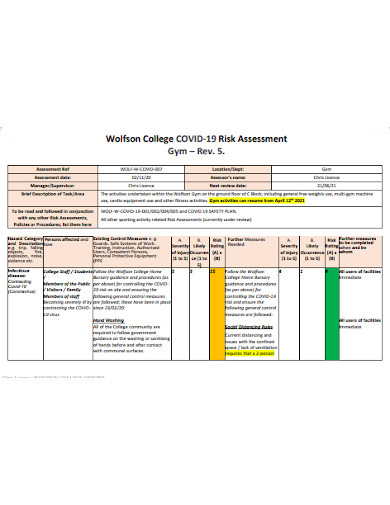
- Environment Checklist: Equipment checks for safety and maintenance, facility safety (e.g., clear pathways, adequate lighting), cleanliness, appropriate ventilation.
- Exercise Protocol Review: Appropriateness of planned exercises for the client’s level and goals, progression strategy, modification options, spotting requirements.
- Emergency Action Plan: Clear procedures for medical emergencies (e.g., injury, cardiac event), fire safety, evacuation routes, nearest AED location, first aid kit accessibility.
- Acknowledgment and Consent: Client’s understanding of risks, consent for training, and signature confirming their agreement to the terms.
Remember that a personal training risk assessment template is not a one-and-done document. It should be regularly reviewed and updated, especially as client circumstances change, new equipment is introduced, or your understanding of best practices evolves. This ongoing engagement with risk assessment transforms it from a mere formality into an integral part of your professional development and commitment to client welfare. By embedding this systematic approach into your training methodology, you not only enhance safety but also elevate your professional standing, making you a more sought-after and responsible personal trainer in the long run.