Creating a predictable and nurturing environment is one of the most powerful things we can do for young children. When kids know what to expect, they feel safe, secure, and more confident to explore and learn. That’s where a well-thought-out daily schedule comes into play, acting as the invisible framework that supports a joyful and engaging preschool classroom. It helps minimize meltdowns, maximizes learning opportunities, and provides a sense of calm amidst the bustling energy of little ones.

But let’s be honest, figuring out the perfect rhythm for your classroom can feel a bit like a puzzle. How do you fit in all the essential learning experiences while also allowing for spontaneity and individual needs? This is where a robust preschool classroom daily schedule template becomes an invaluable tool. It’s not about rigid adherence, but about establishing a flow that works for everyone, ensuring that every part of the day has a purpose and contributes to the children’s development.
Why a Structured Daily Schedule is Your Classroom’s Best Friend
Imagine a day where transitions are smooth, children are engaged, and you, as the educator, feel in control and prepared. This isn’t just a dream; it’s a reality that a well-designed daily schedule can help you achieve. For preschoolers, consistency provides a critical sense of security. When they know that after circle time comes snack, and after snack comes outdoor play, they can anticipate events, which significantly reduces anxiety and helps them regulate their emotions. This predictability allows their brains to focus on learning rather than constantly trying to figure out what’s next.
From a teacher’s perspective, a clear schedule is like having a trusted co-pilot. It helps you allocate time effectively, ensuring that all curriculum areas, from literacy to gross motor skills, receive adequate attention. It also helps manage behavior by preventing extended periods of unstructured time that can often lead to restlessness or conflict. Instead of constantly redirecting, you can guide children through a series of purposeful activities, keeping them engaged and learning throughout the day.
While a schedule provides structure, it also allows for flexibility. It’s a guide, not a dictator. There will always be days when an impromptu interest arises, a special guest visits, or a weather change alters your plans. A good schedule is robust enough to bend without breaking, giving you the confidence to adapt while still maintaining a general sense of order for the children.
Key Components of an Effective Preschool Schedule
- Arrival and Free Play: A gentle start to the day, allowing children to ease in and choose their own activities, fostering independence and social interaction.
- Circle Time: A time for group gathering, songs, stories, calendar activities, and discussing the day’s plans, building community and language skills.
- Small Group Activities: Focused, teacher-led activities that target specific learning objectives, allowing for individualized attention and deeper engagement.
- Outdoor Play: Essential for gross motor development, sensory exploration, and social-emotional learning in a different environment.
- Snack and/or Lunch: Important for nutrition, developing self-help skills, and social conversation.
- Rest or Quiet Time: A crucial period for children to recharge, either by sleeping, looking at books, or engaging in quiet, independent play.
- Story Time and Dismissal: A calming end to the day, reinforcing literacy and providing a smooth transition home.
By thoughtfully arranging these components, you create a day that balances active and quiet times, individual and group experiences, and both child-initiated and teacher-guided learning.
Crafting Your Perfect Preschool Classroom Daily Schedule Template
Now that we understand the immense value of a structured day, let’s dive into how you can construct a preschool classroom daily schedule template that truly fits your unique classroom and the children in your care. There’s no one-size-fits-all solution, as every group of children, every physical space, and every educator brings their own nuances. The key is to start with a foundation and then customize it to reflect the specific needs and rhythm of your environment.
Begin by considering the age range and developmental stages of the children in your class. Younger preschoolers might need more frequent, shorter activity blocks and more rest time, while older children might thrive with longer, more complex activities. Also, think about your facility’s layout and resources. Do you have immediate access to an outdoor play area, or does it require a longer transition? Are there shared spaces you need to coordinate around?
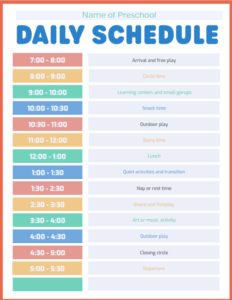
Next, map out the non-negotiable times, such as meal breaks, designated outdoor play times, or special classes like music or art. These act as anchors around which you can then build the rest of your day. It’s helpful to think in blocks of time, perhaps 15-30 minutes for focused activities and longer for free play or outdoor time, allowing for the natural ebbs and flows of children’s attention spans.
Here are some practical tips to guide you in creating your own template:
- Observe your children: Pay attention to when they have the most energy, when they seem to need a break, and how long they can typically sustain attention on different types of activities.
- Build in buffer time: Transitions always take longer than you think. Allow a few extra minutes between activities to gather materials, clean up, and move to the next area without feeling rushed.
- Vary activity types: Alternate between active and quiet, individual and group, child-initiated and teacher-led activities to keep children engaged and prevent fatigue.
- Communicate the schedule visually: Use pictures and simple words to display the daily schedule in the classroom. This empowers children by giving them a visual reference of what’s coming next.
- Be ready to adjust: Your first draft won’t be perfect. Test it out, gather feedback (even non-verbal cues from the children count!), and be prepared to make tweaks until you find a rhythm that feels right for everyone.
Remember, a good preschool classroom daily schedule template is a living document. It should evolve with your class throughout the year, adapting to new developmental milestones, emerging interests, and seasonal changes. It serves as a powerful guide that ensures a balanced, engaging, and predictable day for every child and teacher.
Ultimately, your daily schedule is more than just a list of activities; it’s a foundational element for a thriving preschool environment. It instills a sense of security and belonging in young children, allowing them to confidently engage with their surroundings and build essential skills. By investing time and thought into its creation, you’re not just organizing your day, you’re crafting a predictable world where little learners can truly flourish.
A well-crafted schedule empowers educators to be more intentional and responsive, transforming potential chaos into harmonious learning opportunities. It’s a powerful tool that, when used thoughtfully, helps cultivate a calm, engaging, and developmentally appropriate space where every child feels seen, heard, and ready to embark on the exciting journey of discovery each day brings.