Embarking on a research project or a deep dive into understanding individual experiences often leads us to qualitative methods, and among them, the semi structured interview stands out. It’s a powerful tool for gathering rich, nuanced data because it strikes a beautiful balance between having a clear direction and allowing for organic, spontaneous conversation. Unlike fully structured interviews that stick rigidly to a script, or unstructured ones that drift freely, the semi structured approach gives you the best of both worlds, ensuring you cover key topics while still exploring unexpected avenues.
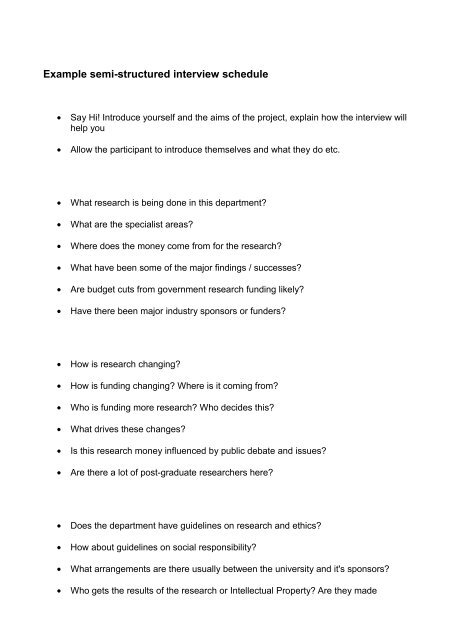
To truly harness the power of this method, you need more than just a list of questions; you need a strategic guide, a blueprint that keeps your research focused while providing room for exploration. This is where a well-crafted semi structured interview schedule template becomes indispensable. It serves as your compass, outlining your core themes, potential questions, and prompts, ensuring consistency across interviews while remaining adaptable to the unique insights each participant brings to the table. Think of it as your co-pilot, making sure your interviews are productive, insightful, and ethically sound.
Crafting the Heart of Your Qualitative Research
When you set out to design a semi structured interview schedule template, you are essentially building the framework for meaningful conversations. It’s not just about listing questions; it’s about strategically organizing your thoughts to guide the discussion towards your research objectives. The beauty of a semi structured approach lies in its flexibility, allowing you to delve deeper into unexpected but relevant areas that emerge during the interview. However, this flexibility doesn’t mean a lack of preparation. On the contrary, robust preparation ensures you can leverage that flexibility effectively.
Start by defining your research questions and objectives. These will be the guiding stars for all the content within your template. Every question you consider including should tie back directly or indirectly to what you aim to discover. Don’t be afraid to brainstorm a wide range of potential questions initially, knowing you’ll refine them later. Grouping these questions into thematic areas can also help provide a logical flow during the actual interview, making it feel more like a natural conversation rather than an interrogation.
Remember that a good template isn’t just about the questions you ask, but also about the order in which you ask them and the prompts you prepare to encourage deeper reflection. You typically want to start with broader, more open-ended questions that ease the participant into the conversation, then gradually move towards more specific or sensitive topics. This progression helps build rapport and trust, encouraging the participant to share more openly as they feel comfortable. Always include space in your template for notes on body language, tone, and any non-verbal cues that could provide additional context to their responses.
Key Elements to Include in Your Schedule
- **Introduction and Consent:** A brief opening statement explaining the purpose of the interview, confidentiality, and obtaining informed consent.
- **Warm-up Questions:** Easy, non-threatening questions to build rapport and make the participant comfortable.
- **Core Thematic Questions:** Open-ended questions designed to explore your main research objectives. Group these by theme for clarity.
- **Probing Questions/Prompts:** Pre-planned or spontaneous follow-up questions to encourage elaboration (e.g., “Can you tell me more about that?”, “What did that feel like?”).
- **Closing Questions:** A chance for the participant to add anything they feel is important or clarify previous points.
- **Logistics and Debrief:** Thanking the participant, offering resources if applicable, and outlining next steps.
Maximizing the Effectiveness of Your Interview Schedule
Once you have a draft of your semi structured interview schedule template, the work isn’t quite done. The real magic happens when you refine and test it to ensure it serves its purpose optimally. Think of your template as a living document; it should be reviewed and possibly revised based on early experiences. This iterative process is crucial for enhancing the quality of your data collection and ensuring your interviews are as insightful as possible.
One of the most valuable steps you can take is to pilot test your template. Conduct a practice interview with a colleague, a friend, or even a willing participant who is not part of your study sample. This exercise will reveal any ambiguities in your questions, highlight areas where the flow feels awkward, or identify topics that might be too sensitive or poorly phrased. It’s an invaluable opportunity to catch potential issues before they impact your actual research data, allowing you to fine-tune your approach and question wording.
Beyond the content itself, consider the practicalities of using your template during an actual interview. How will you take notes? Will you be audio recording? Having clear sections for interviewer notes, timestamps, and key observations within your semi structured interview schedule template can significantly streamline your transcription and analysis process later on. This thoughtful design ensures that the data you collect is not only rich but also organized and easy to work with once the interviews are complete.
Remember to remain flexible even with a polished template. While the schedule provides a necessary structure, be prepared to deviate if a participant brings up an unexpected but highly relevant point. The art of the semi structured interview lies in knowing when to stick to your guide and when to follow an interesting tangent that could yield invaluable insights. This balance is what distinguishes truly skilled qualitative researchers. Ultimately, your template is a tool to facilitate exploration, not a rigid constraint.
Developing a robust interview schedule is a foundational step in any successful qualitative research endeavor. It provides the necessary direction and consistency while fostering the flexibility that allows for deep, authentic engagement with participants. By investing time in creating and refining your template, you set yourself up for rich, meaningful data collection that can illuminate complex phenomena and answer your research questions with depth and nuance.