Embarking on a journey with a new client in social work is always a pivotal moment. It’s a delicate balance of establishing rapport, understanding immediate needs, and gathering comprehensive information that will lay the groundwork for effective intervention. This initial phase, often called the intake assessment, is far more than a mere formality; it’s the critical first step in building a therapeutic relationship and developing a tailored support plan.
This is where having a reliable framework comes into play. A well-designed social work intake assessment template serves as your compass, guiding you through the essential areas of inquiry while ensuring consistency and thoroughness in every interaction. It helps streamline the complex process of data collection, allowing practitioners to focus more on the client’s narrative and less on remembering what questions to ask next.
What Goes Into a Comprehensive Intake Assessment?
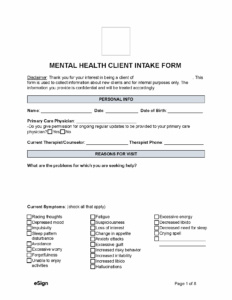
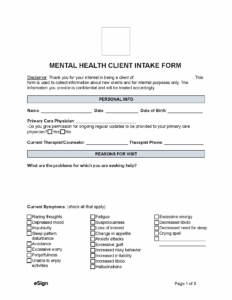
When we talk about a comprehensive intake assessment, we’re discussing the cornerstone of effective social work practice. It’s the process by which a social worker gathers a wide array of information about a new client, not just to understand their immediate problem, but to grasp their entire life context. This holistic approach is crucial because a person’s challenges are rarely isolated; they’re often intertwined with their family history, environment, health, and social connections.
Imagine sitting down with someone who is seeking help. You need to understand not only *why* they are coming to you now but also their past experiences, their current living situation, their strengths, and their vulnerabilities. This initial conversation is about painting a full picture, ensuring no critical piece of the puzzle is overlooked. It helps identify presenting problems, client goals, and any urgent safety concerns that might need immediate attention.
Beyond the immediate concerns, a thorough assessment delves into various life domains. This includes exploring a client’s psychosocial history – their family dynamics, educational background, employment history, and housing situation. It also covers their physical and mental health status, any history of substance use, and their experiences with trauma or abuse. The aim is to understand the interplay of these factors and how they contribute to the client’s current situation.
Furthermore, identifying a client’s support systems – friends, family, community resources – and their personal strengths is just as important as understanding their challenges. These assets often become vital components of their treatment plan. A well-structured template ensures that all these areas are consistently explored, providing a solid foundation for intervention and support.
Key Areas Explored in a Social Work Intake Assessment
- Demographic Information (age, gender, ethnicity, contact details)
- Presenting Problem and Client Goals (why they are seeking help, what they hope to achieve)
- Psychosocial History (family background, education, employment, housing, legal history)
- Mental Health and Substance Use History (diagnoses, treatments, current use)
- Safety and Risk Assessment (suicidal ideation, harm to others, domestic violence, child abuse)
- Current Support Systems and Strengths (friends, family, community connections, coping skills)
- Physical Health Information (current conditions, medications, disability status)
- Financial and Insurance Information
Benefits of Using a Standardized Social Work Intake Assessment Template
Utilizing a standardized social work intake assessment template offers a multitude of advantages that can significantly enhance both the efficiency and effectiveness of social work practice. It acts as a consistent roadmap, ensuring that regardless of who conducts the intake, a baseline of essential information is collected every single time. This consistency is invaluable, especially in agencies with multiple practitioners, as it ensures a uniform standard of care from the very first interaction.
One of the most significant benefits is the increased thoroughness and reduced risk of overlooking crucial details. In the dynamic and often emotionally charged environment of an intake, it’s easy for even experienced professionals to miss a question or forget to delve deeper into a particular area. A template serves as a checklist and a prompt, ensuring that all necessary domains, from presenting problems to safety concerns, are systematically addressed. This leads to a more complete and accurate understanding of the client’s needs.
Moreover, a well-structured template contributes greatly to efficiency. It streamlines the data collection process, allowing social workers to complete intakes more quickly without sacrificing quality. This saved time can then be reinvested into direct client engagement, building rapport, or developing more nuanced intervention strategies. It also aids in record-keeping, making client files more organized and easier to review for supervisors, team members, or future reference.
Ultimately, the consistent application of a social work intake assessment template leads to improved client care and outcomes. When the initial assessment is comprehensive and accurate, the resulting treatment plan is much more likely to be tailored to the client’s specific needs, strengths, and circumstances. This foundation of robust information empowers practitioners to make more informed decisions, facilitate better interdisciplinary communication, and ultimately guide clients towards more positive and sustainable change.
- Ensures Consistency Across All Client Intakes
- Guarantees Thoroughness in Information Gathering
- Boosts Efficiency and Saves Valuable Time
- Facilitates Seamless Communication Among Team Members
- Supports the Development of More Accurate Treatment Plans
- Aids in Compliance with Agency Policies and Ethical Standards
- Helps Identify Client Strengths and Resources Effectively
The initial intake assessment is undeniably a cornerstone of effective social work, serving as the critical first step in understanding a client’s unique journey and circumstances. By systematically gathering comprehensive information, social workers can build a strong foundation for intervention, ensuring that support is both relevant and impactful. This thoughtful approach allows for a deeper connection and a clearer path forward.
Embracing the structure provided by a robust intake assessment process empowers practitioners to not only address immediate challenges but also to identify underlying issues and leverage client strengths. It’s about creating a holistic picture that guides meaningful action, ultimately contributing to better outcomes for individuals and families navigating complex life situations.