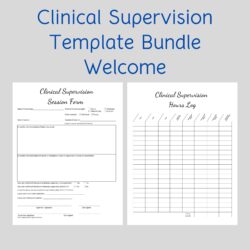
Navigating the complexities of social work requires not only dedication and skill but also robust support systems, and professional supervision stands as a cornerstone of ethical and effective practice. For both supervisors and supervisees, maintaining clear, concise records of these vital sessions is paramount. That is where a well-designed social work supervision record template becomes an invaluable tool, transforming a potentially disorganized task into a streamlined, beneficial process for all involved.

Effective supervision is more than just a chat; it is a structured dialogue designed to foster professional growth, ensure client safety, and uphold ethical standards. Without proper documentation, the rich insights, challenging dilemmas, and carefully crafted action plans discussed during supervision can easily be lost or forgotten over time, diminishing the very purpose of these essential meetings.
Having a consistent framework for documenting supervision not only helps track a supervisee’s development trajectory but also serves as a crucial point of reference for accountability, professional review, and even legal defensibility. It ensures continuity of care, allows for reflective practice, and strengthens the overall quality of social work services provided.
Unlocking Professional Growth and Accountability with Structured Records
In the dynamic world of social work, where practitioners often face high-stress situations and complex ethical dilemmas, robust supervision is not just a recommendation, it is a professional imperative. A well-structured system for documenting these sessions through a reliable template ensures that every supervision interaction contributes meaningfully to the supervisee’s development and the integrity of their practice. Such a template serves as a consistent guide, ensuring that key areas are always addressed and recorded, rather than relying on memory alone.
Beyond simply noting attendance, a comprehensive record helps in identifying recurring themes, skill gaps, and areas of strength that might otherwise go unnoticed. This analytical insight is crucial for tailoring supervision to individual needs, leading to more targeted professional development goals. For instance, if records consistently show a supervisee struggling with boundary setting, the supervisor can then dedicate specific sessions or resources to address this particular area.
Moreover, these records play a vital role in demonstrating accountability to clients, agencies, and regulatory bodies. They provide a transparent log of discussions regarding client cases, ethical considerations, crisis interventions, and professional conduct. In an environment where social workers are entrusted with significant responsibilities, having documented evidence of sound supervisory oversight is not just good practice, it is a safeguard.
From an ethical standpoint, detailed supervision records ensure that critical decisions regarding client care are not made in isolation but are thoroughly discussed and reviewed within a professional context. This documentation can protect both the supervisee and the agency should questions arise about a particular intervention or course of action. It underscores a commitment to reflective practice and continuous improvement.
Furthermore, a standardized template greatly enhances efficiency. Instead of supervisors or supervisees spending valuable time drafting notes from scratch, a template provides prompts for key information: date, duration, agenda items, issues discussed, intervention strategies, action plans, and next steps. This structured approach saves time during the session itself, allowing more focus on the substantive discussion, and makes post-session documentation quick and easy.
Finally, these records contribute to the overall quality assurance within an agency. Aggregated data from supervision records can highlight systemic issues, training needs across teams, or areas where agency policies might need review. This meta-level analysis transforms individual supervision efforts into a powerful tool for organizational learning and improvement, ultimately benefiting the communities served.
Developing Your Own Effective Supervision Record Template
Creating a highly effective template for social work supervision records means thinking beyond a simple checklist. It’s about designing a tool that captures the depth and nuance of professional dialogue, ensuring it serves both administrative and developmental purposes. While there are many excellent existing templates, the most beneficial one for your context will often be one that is customized to your specific agency’s needs, regulatory requirements, and the particular focus of your supervision sessions.
Consider what elements are absolutely non-negotiable for your records. This typically includes basic administrative details such as the date, start and end times, location, and the names of both the supervisor and supervisee. Beyond these, think about sections for agenda items, which can be prepared in advance by either party, and a dedicated space for documenting the specific topics discussed. This might include client case reviews, ethical dilemmas explored, theoretical concepts applied, self-care strategies, and professional development goals.
An effective template also makes room for documenting action plans and follow-up tasks. What was agreed upon? What specific steps will the supervisee take before the next session? Who is responsible for what? Clearly articulating these points ensures accountability and continuity between sessions. It is also wise to include a section for the supervisor’s comments and feedback, as well as a space for the supervisee to provide their own reflections or add any points they feel are important.
Regularly reviewing and adapting your social work supervision record template is also key. As practice evolves, so too should your tools. Gather feedback from both supervisors and supervisees on its usability and effectiveness. Does it capture all necessary information without being overly cumbersome? Does it facilitate meaningful discussion and reflection? By treating your template as a living document, you ensure it remains a powerful asset in fostering excellent social work practice.
The careful and consistent use of a well-designed supervision record template fundamentally elevates the quality and impact of professional supervision in social work. It transforms supervision from an episodic event into a documented journey of growth, learning, and accountability, benefiting supervisees, supervisors, agencies, and most importantly, the clients they serve.
By embracing a structured approach to supervision record-keeping, social workers can ensure that every moment of professional guidance is maximized. This dedication to thorough documentation not only supports individual practitioners in their complex roles but also strengthens the ethical foundation and effectiveness of the entire social work profession.