As the days grow shorter and the festive season approaches, many of us naturally start to look back at the past twelve months. It’s a time for quiet reflection, for remembering the highs and lows, the challenges overcome, and the moments that made us smile. This annual ritual of introspection is more than just nostalgia; it’s a powerful tool for personal and professional growth, helping us to acknowledge our journey and prepare for what’s next.
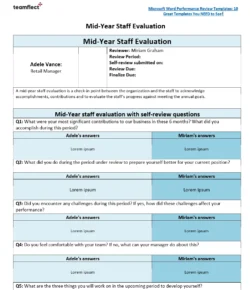
However, sometimes just thinking about everything that happened can feel a bit overwhelming, like trying to catch smoke. That’s where a structured approach comes in handy. Having a clear framework can transform vague thoughts into actionable insights. This is precisely the purpose of a well-designed year end self assessment template, offering a guiding hand through the often-complex landscape of our own experiences and achievements.
Why Bother with Reflecting on Your Year?
You might wonder, with all the busyness of life, why should you dedicate precious time to formally reviewing your year? The truth is, self-assessment isn’t just another chore; it’s an investment in your future self. It provides an invaluable opportunity to pause, take stock, and truly understand the trajectory you’re on. Without this intentional reflection, it’s easy to drift, to repeat past mistakes, or to miss out on celebrating significant accomplishments that might otherwise fade from memory.
Professionally, this process becomes even more critical. It’s your chance to objectively evaluate your performance, identify skill gaps, and pinpoint areas where you’ve truly shined. This isn’t just for your annual review with a manager; it’s primarily for you. It empowers you to articulate your value, to set more precise goals for the coming year, and to proactively steer your career path rather than simply reacting to circumstances. It helps you build a compelling narrative about your growth and contributions.
Key Areas to Reflect On for Meaningful Insights
When you sit down to reflect, it helps to have some guiding questions. Think about more than just tasks completed. Consider the broader impact of your actions, the lessons learned, and the person you’ve become. This holistic view ensures you capture the full spectrum of your year, not just the easily quantifiable metrics.
Here are some core areas you might want to consider:
- Accomplishments: What were your biggest wins, both big and small? What did you achieve that you’re most proud of?
- Challenges Faced and Overcome: What obstacles did you encounter? How did you navigate them, and what did you learn in the process?
- Skills Developed: What new skills did you acquire or existing ones did you sharpen? How did you apply them?
- Relationships Nurtured: How did you contribute to your personal and professional relationships? Which connections grew stronger?
- Personal Growth Moments: In what ways did you grow as an individual? What new perspectives did you gain?
By delving into these areas, you create a rich tapestry of your year, providing a robust foundation for future planning. It’s a powerful act of self-awareness that sets the stage for continuous improvement.
Crafting Your Personalized Year End Self Assessment Template
While there are many generic templates available, the most effective self-assessment is one that truly resonates with your unique goals and experiences. Think of a year end self assessment template not as a rigid form to fill out, but as a flexible framework you can adapt. The goal is to make it feel less like a bureaucratic exercise and more like a personal conversation with yourself, designed to extract genuine insights.
Your personalized template should encourage open-ended responses rather than simple yes or no answers. This allows for deeper thought and more nuanced reflection. Consider adding sections for both quantitative achievements, like specific project outcomes, and qualitative reflections, such as your emotional responses to challenges or the satisfaction derived from your work. The balance between these elements is key to a comprehensive review.
Think about what truly matters to you. Do you value professional development above all else, or is personal well-being a bigger focus for your reflection? Tailoring the questions to align with your personal values will make the process much more engaging and ultimately more useful. This ensures that the insights you gain are genuinely relevant to your life and aspirations.
To make the most of your reflection, here are some practical steps for using your customized template:
- Set Aside Dedicated Time: Find a quiet moment when you can focus without interruption. This isn’t something to rush.
- Be Honest with Yourself: This is for your eyes only, so be candid about your successes and areas for improvement. Authenticity is crucial.
- Focus on Both Successes and Lessons Learned: Celebrate your wins, but also deeply understand what didn’t go as planned and why.
- Translate Insights into Actionable Goals: Don’t just reflect; plan. What will you do differently next year based on what you’ve learned?
Embracing this personalized approach to your annual review transforms it from a mere formality into a truly powerful catalyst for growth. It’s about taking ownership of your journey and intentionally shaping the path ahead.
Taking the time to look back at the past year with intention and a structured approach is one of the most valuable gifts you can give yourself. It’s a chance to consolidate your learning, appreciate your progress, and identify areas where you truly want to focus your energy in the months to come. This practice cultivates a stronger sense of self-awareness and intentionality in all aspects of your life.
By understanding your past, acknowledging your present, and thoughtfully planning your future, you’re not just marking the end of a calendar year; you’re actively participating in your own evolution. This reflective process empowers you to step into the new year with clarity, purpose, and a renewed sense of direction, ready to tackle new challenges and achieve even greater things.