Finding the perfect balance between operational needs and employee well-being can often feel like a complex puzzle for many organizations. Whether you’re managing a team in healthcare, manufacturing, emergency services, or retail, ensuring continuous coverage while also offering your staff a predictable and fair schedule is crucial for morale and productivity. It’s a challenge that many managers and business owners grapple with regularly, striving to create an environment where both the business thrives and employees feel valued.

Enter the 2 2 3 work schedule template, a popular and highly effective solution that has gained significant traction across various industries. This particular scheduling model is celebrated for its ability to provide a predictable routine, offer regular extended breaks, and distribute weekend shifts equitably among team members. If you’ve been searching for a way to streamline your scheduling, reduce burnout, and boost overall team satisfaction, then understanding this dynamic template is your next logical step.
Understanding the Core of the 2 2 3 Work Schedule
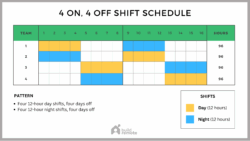
The “2 2 3” in this schedule refers to a repeating pattern of days worked and days off over a two-week period. It’s designed to cycle in a way that provides employees with a predictable rhythm, allowing them to better plan their personal lives around their professional commitments. This schedule is particularly effective for operations that require 24/7 staffing, as it ensures consistent coverage without disproportionately burdening any single employee or group.
Let’s break down the pattern. In the first week of the cycle, an employee typically works for two days, then has two days off, and then works for another three days. This structure often means they get a long weekend as part of their initial off-period or after their three-day stretch, depending on how the cycle aligns with the traditional workweek. It’s a welcome break that helps prevent fatigue and allows for proper rest and rejuvenation.
Moving into the second week of the cycle, the pattern shifts to two days off, followed by two days of work, and then a generous three days off. This second phase of the cycle is where the magic truly happens, as it ensures that every employee gets every other weekend off. This is a significant perk in many industries where weekend work is common, offering a fair rotation that can dramatically improve job satisfaction and reduce feelings of being constantly “on call.”
Ultimately, this rotating schedule means that over a 14-day period, an employee works seven days and has seven days off. This 50-50 split between work and rest days is incredibly appealing, as it offers a robust opportunity for work-life balance that many other shift patterns simply cannot provide. It fosters a sense of fairness and predictability, which are key ingredients for a happy and productive workforce.
Key Advantages for Businesses
- Fair distribution of shifts, including desirable weekend slots.
- Improved employee morale and retention due to predictable time off.
- Reduced burnout and fatigue, leading to fewer errors and increased safety.
- Consistent operational coverage around the clock.
- Simplified long-term planning for management and staff alike.
Implementing and Customizing Your 2 2 3 Work Schedule
Adopting a new scheduling system, especially one as structured as the 2 2 3 model, requires careful planning and clear communication. The initial phase involves engaging with your team, explaining the benefits, and addressing any concerns they might have. Transparency during this transition is paramount; employees should understand how the schedule works, how it will impact their routines, and the positive changes it aims to bring to their work-life balance. A smooth rollout depends heavily on employee buy-in.
To make the transition as seamless as possible, having a reliable 2 2 3 work schedule template is invaluable. These templates can range from simple Excel spreadsheets to sophisticated scheduling software, but their core purpose remains the same: to visualize and manage the complex rotations effortlessly. A well-designed template minimizes manual errors, saves administrative time, and ensures that everyone is on the same page regarding their shifts and time off. It becomes the central hub for all scheduling information.
While the core “2 2 3” pattern is fixed, the schedule offers a surprising amount of flexibility when it comes to customization. Not all departments or teams operate in exactly the same way, and your template should be adaptable enough to account for these nuances. For instance, you might have different shift start times, varying team sizes, or specific skill set requirements for certain shifts. Thinking about these variables upfront allows you to tailor the template to fit your unique organizational needs without sacrificing the underlying benefits of the 2 2 3 structure.
Addressing potential challenges proactively is also a crucial part of implementation. What happens during holiday periods? How do you manage unexpected absences or last-minute changes? Incorporating clear protocols for these scenarios into your scheduling policy, perhaps with backup plans or a system for shift swapping, will ensure the 2 2 3 work schedule remains robust and resilient. Tools that allow for easy communication and adjustments will be your best friend in maintaining an efficient schedule.
Considerations for Customization
- Assess your team size and the specific skill sets required for each shift.
- Identify peak operational hours and ensure adequate staffing during these times.
- Gather employee feedback on preferred shift lengths or rotation speeds (within the 2 2 3 framework).
- Ensure compliance with local labor laws, rest period requirements, and collective bargaining agreements.
- Plan for holidays, vacation requests, and potential sick leave well in advance.
Ultimately, a thoughtfully implemented 2 2 3 schedule can revolutionize how your organization manages its workforce. It empowers employees with predictability and fair time off, leading to a more engaged and less stressed team. For management, it simplifies complex scheduling, reduces administrative overhead, and ensures consistent operational excellence.
Embracing this scheduling model isn’t just about creating a roster; it’s about investing in your team’s well-being and, by extension, the sustained success of your business. By providing a clear, fair, and balanced work pattern, you’re building a foundation for higher productivity, improved retention, and a more positive workplace culture for everyone involved.