Navigating the complexities of a 3 phase electrical system can feel like deciphering an ancient language, especially when it comes to understanding what’s connected where. Whether you’re a seasoned electrician, a facilities manager, or a diligent homeowner with a commercial property, the need for clarity and organization in your electrical infrastructure is paramount. Without a clear roadmap, troubleshooting becomes a nightmare, maintenance is haphazard, and safety can be compromised.
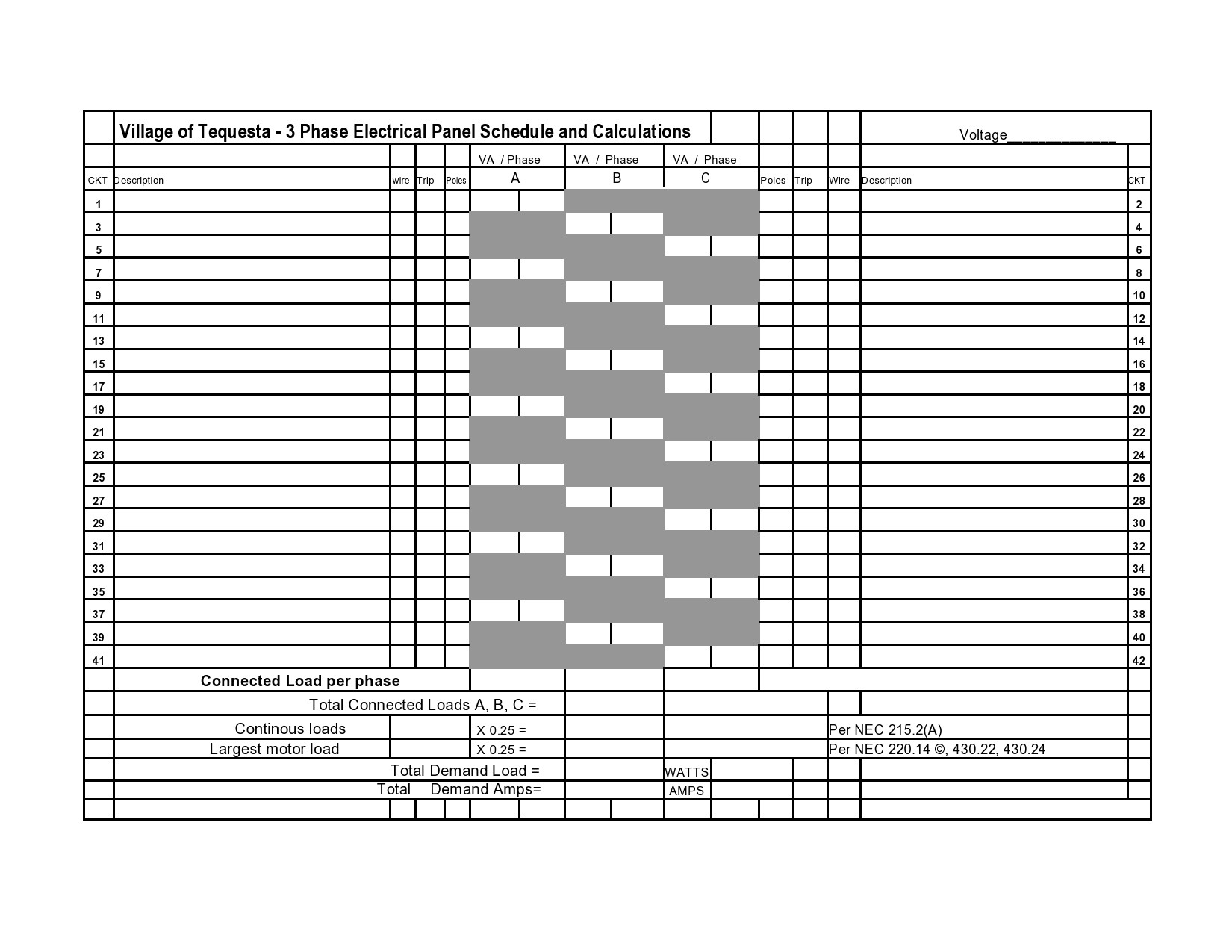
This is precisely where a meticulously crafted 3 phase electrical panel schedule template steps in, transforming potential chaos into manageable order. It’s not just a document; it’s an indispensable tool that provides a snapshot of your electrical distribution system, detailing every circuit, its load, and critical information that ensures operational efficiency and, most importantly, the safety of everyone interacting with the system. Let’s dive into why this template is crucial and how you can effectively create one.
Why a 3 Phase Electrical Panel Schedule Template is Your Best Friend
In the world of electrical systems, particularly those with three phases, organization isn’t just a nice-to-have; it’s a fundamental requirement for safety, efficiency, and regulatory compliance. A well-maintained panel schedule acts as the central intelligence for your electrical setup, making it incredibly easier to manage, troubleshoot, and perform routine maintenance. Imagine trying to identify a specific circuit breaker tripping in a large commercial building without a clear map – it would be a time-consuming and frustrating ordeal.
Three phase systems bring their own unique considerations, such as load balancing across phases to prevent overheating and ensure stable power delivery. Without a precise record, ensuring that loads are evenly distributed becomes a guessing game, potentially leading to system inefficiencies or even equipment damage. A comprehensive schedule mitigates these risks by providing a detailed overview of what’s drawing power from which phase, allowing for informed adjustments and preventative measures.
Key Components of a Robust Panel Schedule
To be truly effective, a panel schedule needs to capture specific, critical data points for each circuit. This information serves as your guide through the electrical maze, ensuring that anyone looking at the panel can quickly understand its function and characteristics.
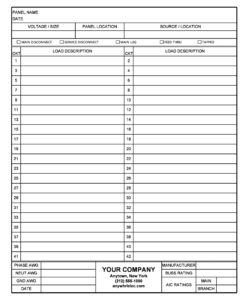
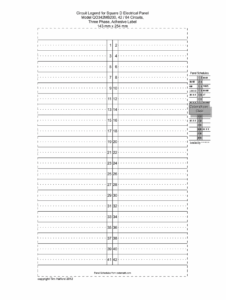
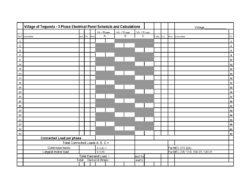
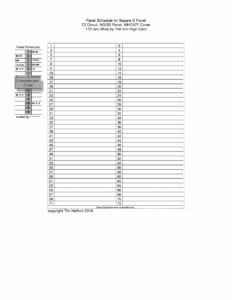
Here’s what typically makes up a truly useful 3 phase electrical panel schedule template:
- Circuit Number: A sequential identifier for each breaker in the panel.
- Breaker Size and Type: Amperage rating (e.g., 20A) and type (e.g., single pole, double pole, triple pole).
- Load Description: A clear, concise description of what the circuit powers (e.g., “Office Lighting – West Wing,” “HVAC Unit 3”).
- Phase Connection: Indicates which phase(s) (A, B, C) the circuit is connected to, crucial for load balancing.
- Connected Load: The estimated or measured power draw of the connected equipment, often in Amps, VA, or Watts.
- Panel Location or Identifier: For sites with multiple panels, this specifies which panel the schedule pertains to.
- Date Updated: Essential for version control and ensuring the information is current.
Having these details readily available not only simplifies maintenance tasks but also dramatically speeds up the identification of issues during an emergency. It’s a proactive step towards a safer and more manageable electrical environment.
Crafting Your Own Effective 3 Phase Electrical Panel Schedule
Creating an accurate and functional 3 phase electrical panel schedule template might seem like a daunting task, but by breaking it down into manageable steps, you can achieve a highly valuable document. The key is thoroughness and a systematic approach. Start by gathering any existing documentation, such as blueprints or previous schedules, no matter how outdated they might seem. These can provide a starting point or hints about the original design.
Next, a physical inspection of your electrical panel and the circuits it serves is absolutely essential. This is where the rubber meets the road. You’ll need to trace circuits, identify what each breaker controls, and meticulously record the information. This often involves temporarily shutting off breakers to confirm their corresponding loads. While this can be time-consuming, the accuracy gained is invaluable and prevents costly mistakes down the line.
Once you have gathered all the necessary data, begin populating your chosen template. There are many options available, from simple spreadsheet applications to specialized electrical management software. The important thing is to choose a format that is clear, easy to update, and accessible to those who need it. Remember to record the phase connection for each circuit, as this is particularly critical for 3 phase systems and often overlooked in generic templates.
To ensure the schedule remains a living, useful document, regular reviews and updates are crucial. Anytime a change is made to the electrical system—a new circuit added, an old one removed, or a load modified—the panel schedule should be immediately updated to reflect these changes. This diligent practice guarantees that your schedule always provides an accurate reflection of your electrical infrastructure, providing peace of mind and supporting efficient operations for years to come.