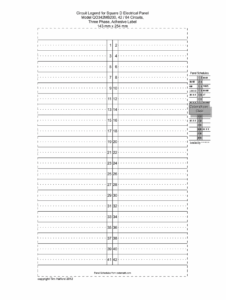
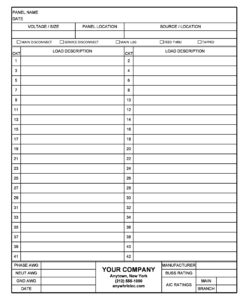
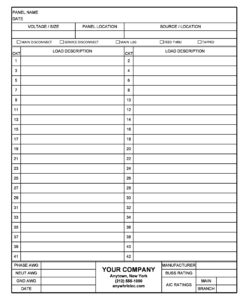
Navigating the complexities of modern electrical systems can be a daunting task, especially when dealing with commercial or industrial setups. At the heart of any well-organized electrical infrastructure lies the distribution panel, the central hub where power is safely distributed to various circuits. For systems operating on three-phase power, which is common in many larger applications, keeping track of these connections, loads, and protective devices isn’t just good practice; it’s absolutely essential for safety, efficiency, and regulatory compliance.
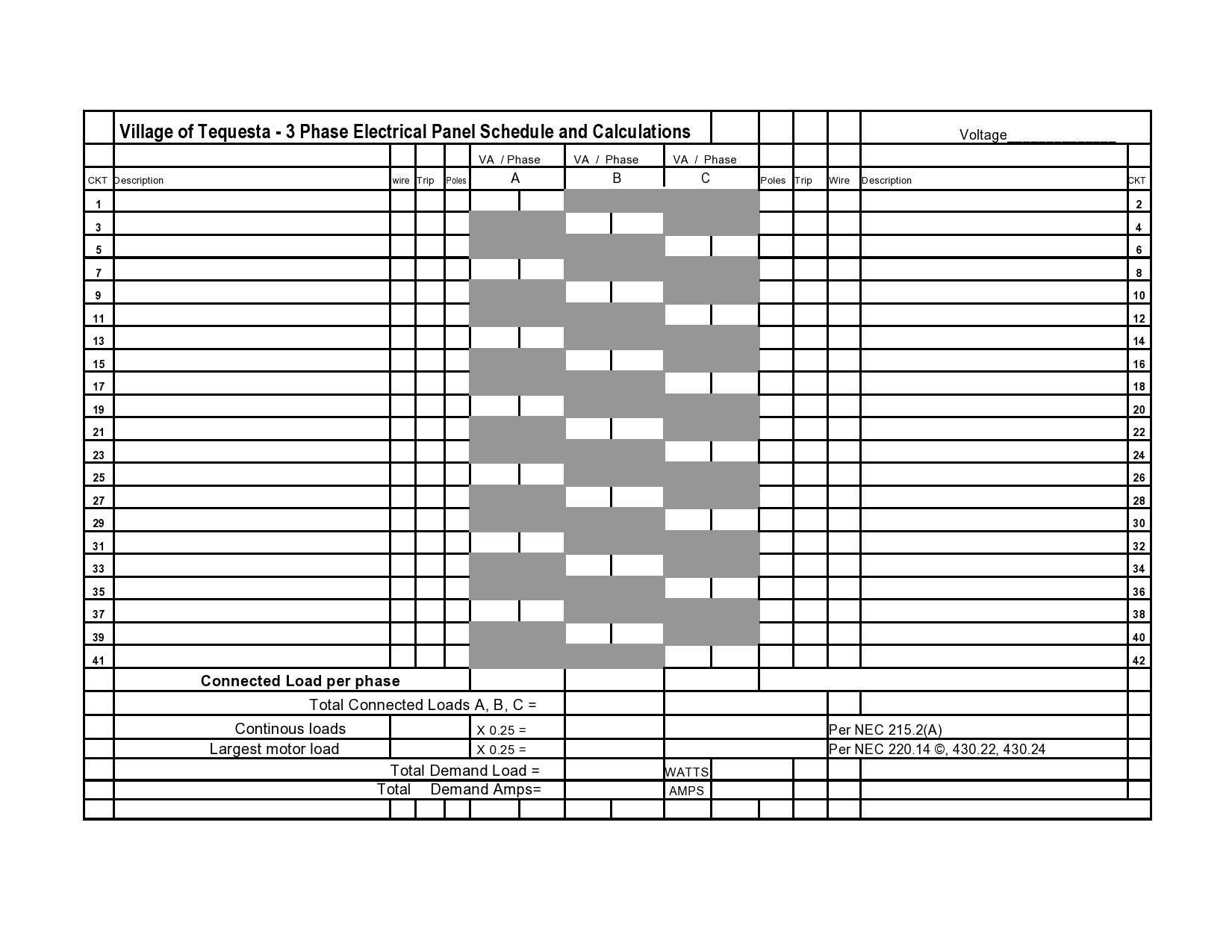
This is precisely where a clear and comprehensive system of documentation becomes invaluable. An accurate electrical panel schedule is your roadmap, providing critical information at a glance for maintenance, troubleshooting, and future expansions. When we talk about three-phase systems, this level of detail becomes even more critical due to the balanced load requirements across the phases. That’s why having a reliable 3 phase panel schedule template isn’t just a convenience; it’s a cornerstone of responsible electrical management.
What Makes a Good 3 Phase Panel Schedule Template?
At its core, an effective template is designed to clearly identify and organize all the pertinent information for each circuit originating from your three-phase electrical panel. It needs to be user-friendly, comprehensive, and adaptable, ensuring that anyone, from a seasoned electrician to a facility manager, can quickly understand the panel’s layout and operational parameters. Think of it as the ultimate cheat sheet for your electrical system, preventing guesswork and costly mistakes during repairs or upgrades.
A well-structured template provides a detailed account of each circuit, including its unique identification, the load it serves, and its corresponding protective device. More importantly, for a three-phase system, it meticulously notes which phase (A, B, or C) each circuit is connected to. This phase balance information is crucial for the overall health and efficiency of the electrical system, helping to prevent overloading specific phases and ensuring smooth operation of sensitive equipment.
Key Elements to Look For:
- Circuit Number: A sequential identifier for each breaker position in the panel.
- Load Description: A clear, concise explanation of what the circuit powers (e.g., “Office Lighting – East Wing,” “HVAC Unit 1”).
- Connected Load: The actual or calculated power demand of the load, often expressed in Amps, VA (Volt-Amperes), or Watts.
- Phase Connection: Crucial for 3-phase systems, indicating whether the circuit connects to Phase A, B, or C, or if it’s a multi-phase load.
- Breaker Size: The amperage rating of the circuit breaker protecting the circuit.
- Panel Name/Number: Identifies the specific panel the schedule pertains to, especially important in facilities with multiple distribution panels.
- Notes/Remarks: A section for any additional relevant information, such as specific safety considerations or special requirements.
By including these essential details, a high-quality template transforms a chaotic panel into an easily navigable and understandable system. This level of organization significantly reduces the time spent troubleshooting and dramatically enhances safety by making it clear which circuits control what, and how they are protected. It’s an indispensable tool for maintaining an efficient and compliant electrical infrastructure.
Ultimately, a good 3 phase panel schedule template is more than just a document; it’s a proactive measure that supports long-term operational excellence. It aids in load management, ensures compliance with electrical codes, and serves as a vital record for facility history. Whether you’re planning an expansion, performing routine maintenance, or responding to an emergency, having this detailed information readily available can make all the difference.
Implementing and Customizing Your Panel Schedule
Once you have an understanding of what makes a good 3 phase panel schedule template, the next step is putting it into practice and adapting it to your specific needs. The initial implementation phase involves a meticulous survey of your existing electrical panel. This isn’t just about filling in blanks; it requires a detailed audit of each circuit, often involving tracing wires and verifying connections to ensure the information you record is absolutely accurate. Errors here can lead to significant problems down the line, so taking your time and being thorough is key.
Many people find that starting with a digital template, perhaps in a spreadsheet program like Microsoft Excel or Google Sheets, offers the most flexibility. These platforms allow for easy editing, calculations, and sharing. Specialized electrical design software also often includes built-in panel scheduling features that can automatically populate much of the data directly from your design drawings, which can be a huge time-saver for new installations or major renovations. However, even a carefully drawn paper template can be effective if it’s kept up to date and legible.
Customization is perhaps the most critical aspect of truly owning your panel schedule. While a generic 3 phase panel schedule template provides a solid foundation, every electrical system has its unique quirks. You might need to add specific columns for unique equipment identifiers, floor numbers, or even maintenance dates if that’s relevant to your operation. Don’t hesitate to modify the layout or add sections that capture information vital to your facility’s specific operational or safety protocols. This tailoring ensures the schedule remains a truly useful, living document rather than a generic checklist.
- Begin by gathering all available electrical schematics and load calculation sheets.
- Systematically inspect each circuit breaker in the panel, carefully noting its position and rating.
- Physically trace or identify the load connected to each circuit to ensure accuracy.
- Label circuits clearly at the panel itself, ensuring consistency with your schedule.
- Regularly review and update the schedule whenever changes, additions, or modifications are made to the electrical system.
- Implement a clear version control system if multiple people might be editing the schedule.
Remember, the schedule is only as good as the information it contains and how current that information is. Regular updates are non-negotiable. Anytime a circuit is added, removed, or modified, the schedule must be updated immediately. This commitment to maintaining an accurate, customized schedule will ensure your electrical system remains safe, efficient, and easy to manage for years to come. It truly becomes an indispensable asset for any property owner or facility manager.
Ultimately, investing time in creating and maintaining a meticulous panel schedule is a commitment to the longevity and safety of your electrical infrastructure. It empowers you with immediate, accurate data, minimizing downtime, ensuring compliance, and providing peace of mind. This systematic approach is not just about organization; it’s about fostering a safer and more efficient operational environment for everyone involved.
By transforming complex electrical data into an easily digestible format, you create a powerful tool that serves as a cornerstone for effective facility management. It facilitates seamless collaboration among technicians, simplifies audits, and ensures that your electrical system continues to function optimally, adapting to future demands with ease and confidence.