Managing continuous operations, whether it is for a hospital, a security firm, customer support, or an emergency service, presents a unique set of challenges. Ensuring round-the-clock staffing means meticulously planning shifts, managing employee availability, and preventing burnout, all while maintaining service quality. Without a clear system, organizations can quickly find themselves grappling with gaps in coverage, overworked staff, and reduced efficiency.

This is where having a well-designed 24 hour coverage schedule template becomes not just a convenience, but a critical tool for operational success. It provides a structured framework that brings clarity, fairness, and predictability to what can often be a complex and demanding task. Let’s explore why such a template is indispensable and how you can craft one that perfectly fits your organization’s needs.
Why a Robust 24 Hour Coverage Schedule Template is Essential
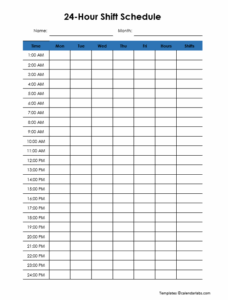
Keeping operations running smoothly for every hour of every day requires more than just assigning shifts; it demands a strategic approach to resource allocation and employee well-being. A thoughtfully constructed 24 hour coverage schedule template serves as the backbone for continuous service, ensuring that every shift is covered by adequately rested and prepared personnel. This prevents the all-too-common issues of last-minute scrambles to fill gaps, which can lead to fatigue, errors, and ultimately, a decline in service standards.
Without a standardized template, organizations often face a cascade of problems. Managers might spend excessive time on manual scheduling, leading to inconsistencies and potential favoritism. Employees can experience confusion about their shifts, difficulty planning their personal lives, and a feeling of being unfairly treated. This can escalate into low morale, high turnover rates, and a significant drain on productivity. A comprehensive template removes much of this guesswork and stress, fostering a more organized and equitable work environment.
Furthermore, a well-defined schedule allows for proactive management of human resources. It helps in forecasting staffing needs, identifying potential bottlenecks, and planning for vacations and sick leaves without compromising coverage. This foresight is invaluable in high-stakes environments where even a momentary lapse in attention could have serious consequences. It transforms a reactive, chaotic process into a proactive, strategic one.
Key Components of an Effective Template
- Shift Times and Durations: Clearly define the start and end times for each shift (e.g., 8-hour, 10-hour, 12-hour), including any overlap periods.
- Staff Assignments: Specify which employee is assigned to each shift, detailing their role and responsibilities.
- Contact Information: Include essential contact details for team members and relevant emergency contacts.
- Emergency Protocols: Outline procedures for unexpected absences, call-ins, or other unforeseen circumstances.
- Breaks and Overlap: Designate scheduled breaks and ensure there’s enough overlap between shifts for proper handover of duties and information.
By integrating these components into your 24 hour coverage schedule template, you create a document that is not only a schedule but also a comprehensive operational guide. It ensures that everyone knows their role, when they need to be present, and what to do in various situations, leading to seamless transitions and uninterrupted service delivery.
Designing Your Own 24 Hour Coverage Schedule Template
Creating a 24 hour coverage schedule template that genuinely works for your organization requires careful consideration of your specific operational demands, team size, and individual roles. There isn’t a one-size-fits-all solution, as the needs of a hospital will differ significantly from those of a data center or a security company. The process begins with understanding your core requirements and then building flexibility into the system to adapt to changes and unforeseen events.
Start by evaluating your existing coverage patterns and identifying any recurring issues or bottlenecks. Are certain shifts consistently understaffed? Do employees frequently request specific days off, creating scheduling headaches? Understanding these patterns will inform how you structure your new template. Consider the ideal number of staff required for each hour of the day, factoring in peak times and periods of lower activity, to ensure optimal resource allocation without overstaffing or understaffing.
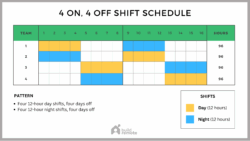
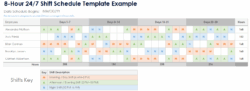
Next, you’ll need to decide on the most suitable shift lengths and rotation patterns. Some organizations thrive on consistent 8-hour shifts, while others find 12-hour shifts more efficient, especially for reducing handover frequency. Rotating shifts can help distribute less desirable times evenly among staff, but it’s crucial to balance this with employee health and work-life balance considerations. Open communication with your team about their preferences and constraints can be invaluable here.
Here are some steps to guide your design process:
- Assess Your Needs: Define the minimum staffing levels required for each role across all 24 hours.
- Choose Shift Lengths: Decide on the optimal duration for shifts (e.g., 8, 10, or 12 hours) based on workload and employee well-being.
- Assign Responsibilities: Clearly link specific roles and individuals to each shift slot.
- Build in Flexibility: Include mechanisms for shift swaps, on-call staff, or a pool of part-time employees to handle unexpected absences.
- Regularly Review and Adjust: Treat your schedule as a living document; revisit it periodically to make improvements based on feedback and changing needs.
Remember that the best schedule is one that is both efficient for the organization and fair to its employees. Regularly solicit feedback from your team about the schedule’s effectiveness and their well-being. This iterative approach ensures that your 24 hour coverage schedule template remains relevant, supportive, and truly effective in maintaining high operational standards while fostering a positive work environment.
Implementing a well-structured and thoughtfully designed schedule brings numerous benefits. It not only streamlines operations and ensures consistent service delivery but also significantly contributes to employee satisfaction and reduced stress. When staff know their schedules well in advance and feel that the system is fair, morale improves, and the likelihood of costly errors decreases.
By taking the time to create and refine your 24 hour coverage schedule template, you are investing in the long-term efficiency and stability of your organization. It’s a foundational element for any entity that requires continuous operation, providing the clarity and order needed to navigate the complexities of round-the-clock responsibilities with confidence and competence.