Imagine having an extra day each week to pursue your passions, spend time with loved ones, or simply recharge your batteries. The idea of a 4-day work week has moved from a utopian dream to a tangible reality for many organizations worldwide. Companies and employees alike are discovering the profound benefits of a compressed work schedule, leading to improved well-being, enhanced productivity, and a healthier work-life balance that redefines traditional employment models.
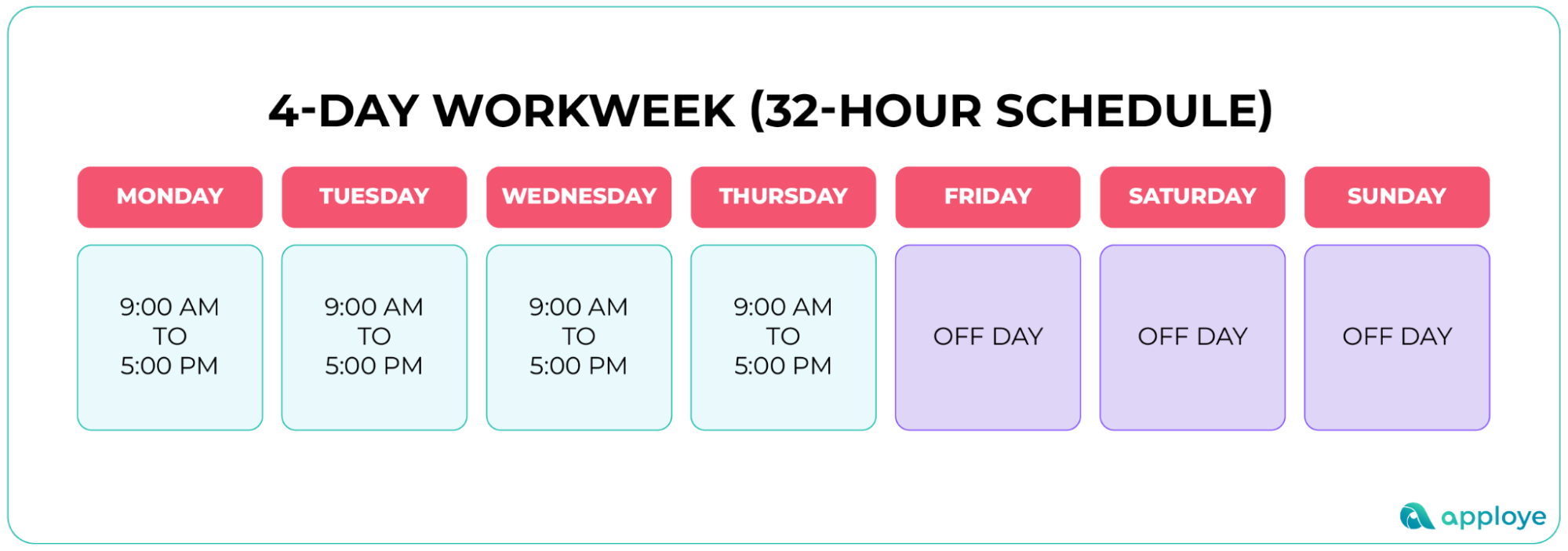
However, transitioning to such a structure isn’t just about cutting a day from the calendar. It requires thoughtful planning, clear communication, and, most importantly, a well-defined 4 day work week schedule template that aligns with your business needs and your team’s preferences. Crafting the right framework ensures that productivity remains high, client expectations are met, and the benefits of the shortened week are fully realized without compromising output or service quality.
Crafting Your Ideal 4 Day Work Week Schedule
Implementing a 4-day work week is a transformative step, but its success hinges on how meticulously you design your schedule. There isn’t a one-size-fits-all solution; the ideal setup will depend heavily on your industry, the nature of your team’s roles, and even the geographic distribution of your clients. Some organizations find success by extending their workdays to ten hours, allowing for a full 40-hour week across four days, while others opt for a slightly reduced total work time, focusing on efficiency gains.
Consider the core functions of your business. Are there peak hours or days when client interaction is crucial? Does your team primarily work on project-based tasks that offer more flexibility? These questions will guide whether a fixed day off for everyone is feasible or if a staggered approach is more beneficial. Open dialogue with your employees is essential during this phase. Understanding their preferences and concerns can lead to a schedule that not only works for the business but also genuinely enhances employee satisfaction.
One of the most common challenges is ensuring continuous coverage or accessibility, especially for customer-facing roles. This might necessitate a rotating day off schedule within teams, ensuring that there are always members available. Effective communication tools and project management software become indispensable here, allowing for seamless handovers and shared understanding of ongoing tasks, minimizing disruption as team members take their dedicated rest day.
Ultimately, the goal is to create a structure that maximizes focus and output during the four workdays, making the extended break truly restorative. It’s about optimizing workflows, streamlining meetings, and empowering employees to manage their time effectively within the new framework. A well-designed schedule helps prevent the feeling of being overwhelmed during the compressed week and ensures that the extended weekend feels earned and genuinely beneficial.
Common Scheduling Models
- **The Compressed Work Week:** Employees work four 10-hour days, accumulating 40 hours within the week. This is often Monday-Thursday or Tuesday-Friday.
- **The Staggered Approach:** Different team members take different days off (e.g., some Mondays, some Fridays), ensuring coverage across the full week.
- **The Nine-Day Fortnight:** Employees work nine days over two weeks for a total of 80 hours, effectively getting an extra day off every other week.
- **The Reduced Hours Model:** Employees simply work four 8-hour days for a total of 32 hours, with no reduction in pay, relying on increased productivity to compensate.
Benefits and Best Practices for a Seamless Transition
The shift to a 4-day work week brings a wealth of advantages that extend far beyond simply having more free time. For employees, the most immediate benefit is a dramatic improvement in work-life balance. An extra day off provides ample opportunity for personal appointments, family time, hobbies, or simply deep rest, significantly reducing stress and the likelihood of burnout. This leads to higher morale, greater job satisfaction, and a more engaged workforce that feels valued and trusted.
From an organizational perspective, businesses often report an uptick in productivity. When employees know they have a three-day weekend approaching, they tend to be more focused and efficient during their working days, making the most of their time. This enhanced concentration can lead to higher quality output and more innovative solutions, as a well-rested mind is often a more creative one. It also positions companies as forward-thinking employers, which is a powerful tool for attracting and retaining top talent in a competitive market.
To ensure a smooth transition, establishing clear expectations is paramount. Define what success looks like in the new schedule, outline core hours, and clarify communication protocols. Leverage technology to its fullest potential – project management tools, shared documents, and robust communication platforms are crucial for collaboration and maintaining visibility across the team, especially when not everyone is in the office five days a week.
Furthermore, it’s vital to regularly review and adapt your 4 day work week schedule template. What works initially might need tweaking as you gain experience. Gather feedback from employees and clients, monitor key performance indicators, and be prepared to make adjustments. This iterative process ensures that the schedule remains effective, supports business goals, and continues to benefit everyone involved, fostering a culture of continuous improvement and responsiveness.
- **Prioritize Deep Work:** Encourage employees to dedicate specific blocks of time to focused, uninterrupted work, minimizing distractions during their compressed week.
- **Streamline Meetings:** Make meetings shorter, more infrequent, and highly efficient. Consider if an email update could replace a meeting entirely.
- **Leverage Automation:** Utilize tools to automate repetitive tasks, freeing up valuable employee time for more strategic and impactful work.
- **Foster Trust and Autonomy:** Empower employees with the autonomy to manage their time and tasks effectively, building a foundation of trust essential for success.
- **Communicate Externally:** Inform clients and partners about your new schedule and any potential changes to availability, ensuring transparency and managing expectations.
Embracing a 4-day work week is more than just a scheduling adjustment; it’s a commitment to a healthier, more sustainable way of working. It reflects a growing understanding that well-being and productivity are not mutually exclusive but, in fact, deeply intertwined. By carefully designing and implementing a flexible work model, businesses can unlock significant advantages, fostering a more engaged and energetic workforce ready to tackle challenges with renewed vigor.
The future of work is undoubtedly evolving, and organizations that proactively adapt to these shifts are positioning themselves for long-term success. A thoughtful approach to your working week can lead to a happier team, better business outcomes, and a significant improvement in the overall quality of life for everyone involved. It’s an investment in your people that pays dividends in loyalty, innovation, and sustained performance.