Are you constantly feeling like you are putting out fires in your projects, always reacting to the next urgent task instead of proactively managing your workload? Many project managers and team leaders find themselves in this challenging cycle, struggling to maintain control amidst shifting priorities and unexpected roadblocks. It can be incredibly draining and often leads to missed deadlines, budget overruns, and stressed-out teams.
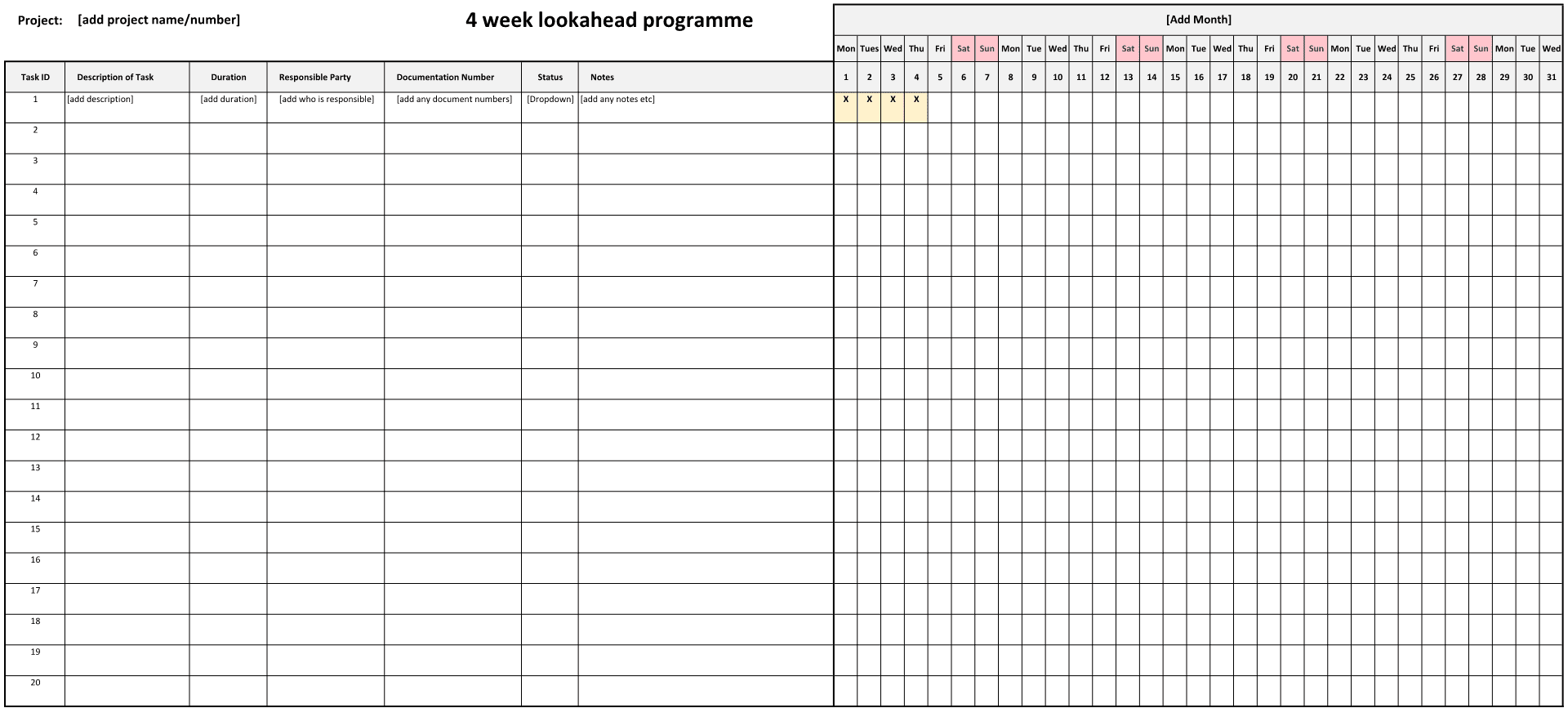
But what if there was a simple yet powerful tool that could help you gain clarity, anticipate challenges, and empower your team to work more efficiently? This is where the concept of a look ahead schedule comes into play, offering a practical way to peer into your near future and prepare for what is coming. Specifically, a well-designed 4 week look ahead schedule template can be a game-changer for almost any project, providing just the right balance between detailed planning and strategic foresight without getting bogged down in distant uncertainties.
The Power of Proactive Planning: Why a 4-Week Look Ahead Is Your Project’s Best Friend
Implementing a proactive planning approach is one of the most effective strategies for smoother project execution, and a look ahead schedule is its cornerstone. This isn’t just about knowing what needs to be done; it is about understanding how those tasks connect, identifying potential bottlenecks before they occur, and ensuring your resources are allocated optimally. Imagine the relief of seeing a potential conflict with a critical resource three weeks in advance, giving you ample time to adjust, rather than discovering it the day before it impacts your timeline.
The four-week timeframe for this specific look ahead schedule is particularly effective because it strikes an ideal balance. It is long enough to identify significant upcoming tasks, dependencies, and potential issues that might affect your project flow. Yet, it is short enough that the information remains highly accurate and actionable. Planning too far out can introduce too much uncertainty, while a shorter timeframe might not give you enough warning for truly impactful challenges. This sweet spot allows for tactical adjustments that keep your project on track without requiring constant, massive overhauls of the master schedule.
Unlike a high-level master project schedule, which provides the overall roadmap, the look ahead schedule dives into the operational details. It translates those broad objectives into specific, manageable tasks for the immediate future. This granular view empowers team members with clear objectives, helps them understand how their work contributes to the bigger picture, and fosters a sense of ownership over their upcoming responsibilities. It is the bridge between strategic intent and daily execution, ensuring that every step taken is purposeful and aligned.
By regularly reviewing and updating your 4 week look ahead schedule template, you foster a culture of anticipation and preparedness. It transforms your team from reactive problem-solvers into proactive planners, significantly reducing stress and increasing efficiency. It becomes a living document, a focal point for weekly team meetings where progress is assessed, new information is incorporated, and adjustments are made to navigate the path ahead successfully.
Key Elements to Include in Your Template
To make your look ahead schedule truly effective, consider incorporating these essential components:
* Task Name and Description: A clear, concise summary of each activity.
* Assigned Resources: Who is responsible for completing the task?
* Start and End Dates: The planned timeframe for each activity within the four-week window.
* Status: A quick visual indicator like Not Started, In Progress, Completed, or On Hold.
* Dependencies or Predecessors: What tasks must be finished before this one can begin?
* Potential Risks or Roadblocks: Any foreseeable challenges that might impact the task.
* Notes/Comments: Space for additional context, issues, or important details.
Crafting Your Own Effective 4 Week Look Ahead Schedule Template
Developing a personalized 4 week look ahead schedule template doesnt have to be complicated. The best template is one that perfectly aligns with your project’s unique needs and your team’s workflow. You can start with a simple spreadsheet program, which offers immense flexibility, or leverage features within existing project management software you might already be using. The key is to choose a format that is easily accessible and understandable for everyone involved, encouraging consistent use and updates.
Once you have established the framework, the next crucial step is populating it with tasks derived from your overarching project plan. This usually involves breaking down larger project phases into smaller, actionable items. Engage your team in this process; their insights on task durations, dependencies, and potential challenges are invaluable. This collaborative approach not only ensures accuracy but also builds a sense of shared responsibility and commitment to the schedule.
Regular, scheduled updates are the lifeblood of an effective look ahead schedule. It is not a set-it-and-forget-it tool. Typically, a weekly review meeting is ideal. During this session, you and your team will review completed tasks, adjust timelines for ongoing work, and forecast new tasks for the upcoming weeks. This dynamic process allows you to quickly adapt to changes, reallocate resources as needed, and ensure that the schedule always reflects the current reality of the project.
Remember that the goal is not perfection on paper, but practical utility. The template should serve as a guide and a communication tool, not a rigid set of rules that stifles agility. Embrace its flexibility to anticipate and respond to the inevitable shifts that occur in any complex project. A well-maintained look ahead schedule fosters transparent communication, reduces surprises, and keeps everyone aligned on the immediate priorities, driving the project forward with greater confidence.
* Choose a format that suits your team, whether a simple spreadsheet or a feature within project management software.
* Define clear columns that capture all the essential details for each task.
* Establish a consistent, preferably weekly, cadence for reviewing and updating the schedule.
* Encourage active participation and input from all team members to ensure accuracy and buy-in.
* Regularly cross-reference the look ahead with your master project schedule to maintain alignment.
Embracing the structured yet flexible approach of a look ahead schedule can fundamentally change how your projects progress. It empowers teams to move beyond reactive crisis management towards a more proactive and strategic method of working, ultimately leading to more successful outcomes.
By consistently utilizing and refining your template, you will cultivate a project environment where clarity reigns, potential issues are spotted early, and resources are optimized. This shift from simply reacting to confidently navigating the project journey makes all the difference in achieving your goals efficiently and effectively.