Navigating co-parenting after a separation or divorce can be one of the most challenging aspects for families, especially when it comes to deciding where the children will spend their time. Many parents seek arrangements that provide stability for their children while allowing both parents to remain actively involved. One such option gaining increasing attention is the 80/20 custody schedule, which offers a distinct approach to dividing parental responsibilities and time with the kids.
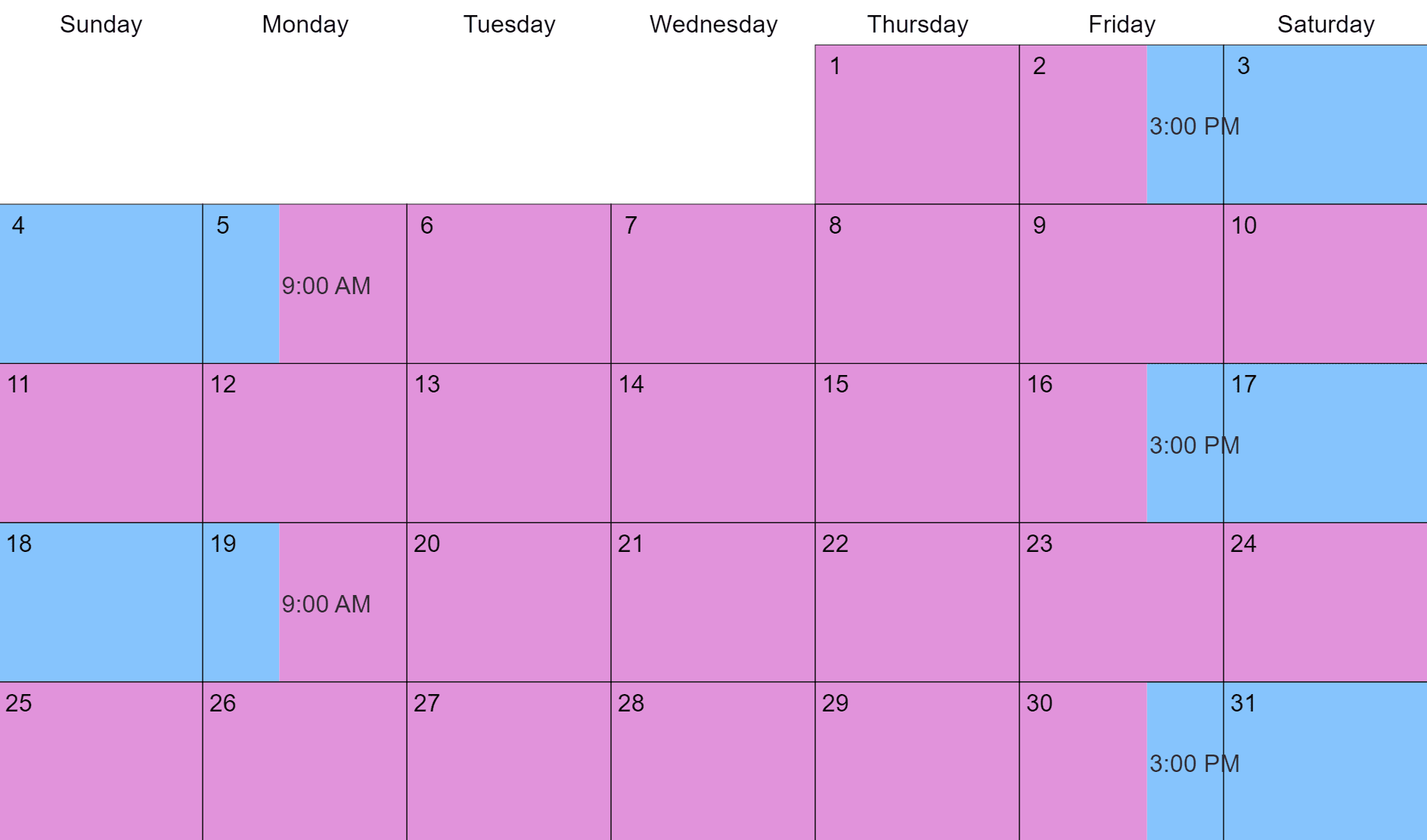
This particular schedule, as its name suggests, means that one parent has the children approximately 80 percent of the time, while the other parent has them for the remaining 20 percent. It’s a structure often considered when one parent takes on the primary caregiver role, or when geographical distance or work commitments make a more evenly split schedule impractical. Understanding the nuances of this arrangement is crucial for parents looking to create a workable, child-focused plan.
Understanding the 80/20 Custody Split
The 80/20 custody schedule represents a significant imbalance in physical custody, with one parent, often referred to as the primary residential parent, having the children for the vast majority of overnights. This arrangement typically means that one home is designated as the children’s main residence, providing a consistent base. For the children, this can offer a strong sense of routine and stability, which is often beneficial during times of family change. It is important for parents to truly understand what this percentage split means in practical terms, as it goes beyond simple numbers on a page.
While the exact breakdown can vary, an 80/20 split usually translates to roughly 292 overnights with one parent and 73 overnights with the other parent over the course of a year. This type of schedule is not just about the numbers; it reflects a chosen lifestyle or a necessity based on specific family circumstances. It might be ideal for situations where one parent works demanding hours, travels frequently, or lives a considerable distance from the children’s school and activities. The non-primary parent’s time is still valuable and typically consolidated into regular, meaningful visits.
Common Scenarios for an 80/20 Schedule
There are several reasons why families might opt for an 80/20 custody arrangement:
- One parent has historically been the primary caregiver and wishes to maintain that role for the children’s consistency.
- The parents live far apart, making frequent exchanges for a 50/50 or similar split impractical or too disruptive for the children.
- One parent’s work schedule involves extensive travel or non-traditional hours, making regular weekday care difficult.
- A child has special needs that are best met by maintaining a very consistent environment with one parent.
- Both parents agree that this schedule best serves the children’s stability and overall well-being.
Even with an 80/20 split, it is vital that the non-primary parent remains actively engaged in the children’s lives, attending school events, doctor’s appointments, and participating in decision-making. The goal is always to support the children’s best interests, ensuring they feel loved and supported by both parents, regardless of the time division.
Crafting Your Own 80 20 Custody Schedule Template
When you decide an 80/20 custody schedule is the right path for your family, the next crucial step is to create a detailed and clear plan. This isn’t just about marking dates on a calendar; it’s about building a comprehensive framework that addresses all aspects of your children’s lives. A well-thought-out 80 20 custody schedule template will help minimize future disputes and provide consistency for everyone involved, especially the children. It should be tailored to your specific family dynamics, considering school schedules, extracurricular activities, and holiday traditions.
Start by outlining the primary parent’s 80 percent time. This often involves the children living with that parent during the school week and on most weekends. The remaining 20 percent for the other parent then needs to be strategically placed to maximize meaningful interaction. Common patterns for the 20 percent include alternating weekends, one evening during the week, or extended blocks during school breaks. Flexibility is key, but a clear default schedule is essential to avoid confusion. Think about the rhythm of your children’s lives and how this schedule will integrate with their routines.
Consider all the important details that might affect your children’s schedule throughout the year. Don’t forget to include provisions for holidays, birthdays, and school vacations. For instance, the non-primary parent might have extended time during summer break or specific holidays on a rotating basis. Transportation arrangements for exchanges should also be clearly defined, specifying who is responsible for pickups and drop-offs. Being as thorough as possible now will prevent many headaches later.
A truly effective 80 20 custody schedule template should also include clauses about communication between parents, how to handle emergencies, and processes for making significant decisions about the children’s education, health, and welfare. While one parent has more physical time, both parents typically retain joint legal custody, meaning they share decision-making power. Clear guidelines for resolving disagreements or modifying the schedule in the future can be incredibly beneficial, ensuring that your co-parenting relationship remains respectful and child-focused.
Creating a custody schedule requires thoughtful consideration, open communication, and a focus on what genuinely serves the children best. It’s a living document that may need adjustments as your children grow and circumstances change. By meticulously planning out the details of an 80/20 arrangement, parents can establish a stable and predictable environment, fostering their children’s well-being while upholding both parental relationships. This foundational work sets the stage for a cooperative co-parenting journey for years to come.