Working in social services means constantly navigating complex situations, often involving individuals and families facing significant challenges. At the heart of this work is the unwavering commitment to ensuring safety and promoting well-being. However, identifying potential harms and safeguarding against them isn’t always straightforward. It requires a systematic and thoughtful approach, a keen eye for detail, and a deep understanding of human vulnerability and resilience.
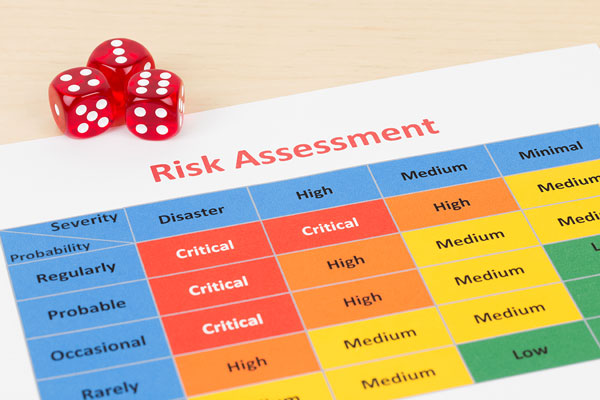
This is precisely where a structured tool becomes indispensable. Instead of relying solely on intuition or ad-hoc observations, having a clear framework guides professionals through the critical process of identifying, evaluating, and planning for risks. An effective social services risk assessment template serves as a comprehensive guide, ensuring consistency, thoroughness, and ultimately, better outcomes for those we serve. It transforms a complex task into a manageable series of steps, empowering social workers to make informed decisions confidently.
Key Components of an Effective Social Services Risk Assessment Template
When you’re looking to create or utilize a social services risk assessment template, understanding its foundational elements is crucial. These aren’t just arbitrary sections; they are carefully designed categories that collectively paint a comprehensive picture of an individual’s situation, helping to identify both present dangers and future potential for harm. The aim is not just to spot problems, but to understand their nature, severity, and potential impact, paving the way for targeted interventions.
A good template will always start with robust information gathering. This involves collecting demographic data, understanding the presenting concerns, and reviewing any historical context relevant to the individual or family. It’s about piecing together a narrative from various sources – interviews, observations, existing records – to form a holistic view before even beginning the risk identification process. This preliminary information sets the stage for accurate assessment.
Identifying Risk Factors
Once you have a solid foundation of information, the next critical step is to systematically identify specific risk factors. This goes beyond a general feeling of concern and delves into tangible, observable indicators of potential harm. These factors can be incredibly diverse, ranging from immediate physical threats to more subtle, long-term environmental or psychological stressors. It’s important to approach this without bias, focusing on objective evidence and professional judgment.
Considering a broad spectrum of risks ensures that no stone is left unturned. This holistic view helps prevent tunnel vision and encourages practitioners to think beyond the most obvious dangers. It’s about recognizing that risks rarely operate in isolation; they often interlink and exacerbate one another, requiring a multi-faceted response.
- Physical safety concerns, including abuse, neglect, or environmental hazards.
- Emotional and psychological well-being, such as signs of trauma, depression, anxiety, or self-harm ideation.
- Financial stability and potential exploitation, including poverty, debt, or misuse of funds.
- Housing security and suitability, encompassing homelessness, unsafe living conditions, or inadequate utilities.
- Health and medical needs, including chronic conditions, untreated illnesses, or lack of access to care.
- Social isolation and lack of support networks, which can increase vulnerability.
- Substance misuse or addiction, affecting the individual or their household members.
- Child protection concerns, including a child’s safety and developmental needs within the family unit.
From Assessment to Action: Implementing Risk Management Strategies
Identifying risks is only half the battle; the true impact of a social services risk assessment template comes from translating those findings into actionable strategies. An assessment is not an end in itself, but a vital stepping stone towards developing a comprehensive safety plan and intervention strategy. This phase moves from understanding “what is wrong” to planning “what needs to be done” to mitigate the identified risks and enhance the individual’s safety and well-being.
Effective risk management is rarely a solo endeavor. It often requires a collaborative approach, bringing together the individual, their family members (where appropriate), other professionals, and external agencies. This multi-agency perspective ensures a holistic and coordinated response, leveraging diverse expertise and resources. Collaboration fosters a shared understanding of the risks and a collective commitment to implementing the safety plan, making it more robust and sustainable.
Once a plan is in place, consistent monitoring and regular review are absolutely essential. Risks are not static; circumstances can change rapidly, and new challenges may emerge while old ones diminish. A dynamic approach means scheduling periodic check-ins, adapting strategies as needed, and being responsive to evolving situations. This iterative process ensures that interventions remain relevant and effective over time, continuously addressing the individual’s changing needs and circumstances.
Finally, meticulous documentation and clear communication are the backbone of accountable risk management. Every step, from the initial assessment to the implementation of strategies and subsequent reviews, needs to be thoroughly recorded. This not only provides a transparent record for accountability but also facilitates seamless handover between professionals and ensures continuity of care. Clear communication among all involved parties prevents misunderstandings and ensures everyone is working towards the same goals.
- Establish clear and measurable goals for risk reduction.
- Assign specific responsibilities to individuals and agencies involved in the safety plan.
- Outline the resources and support services required for implementation.
- Develop contingency plans for potential barriers or unforeseen challenges.
- Set a schedule for regular review and evaluation of the safety plan’s effectiveness.
- Ensure all decisions and actions are ethically sound and respect the individual’s rights.
The diligent use of a well-designed template fundamentally transforms the way social services address the inherent risks in their work. It provides structure, promotes consistency, and ensures that no critical aspect of an individual’s safety or well-being is overlooked. By guiding practitioners through a logical and comprehensive process, these tools empower them to make more informed decisions, leading to more targeted and effective interventions that genuinely make a difference in people’s lives.
Ultimately, a robust framework is more than just a checklist; it’s a commitment to proactive care and a testament to the dedication of social service professionals. It supports the vital work of safeguarding vulnerable individuals and families, helping to build safer communities one assessment at a time. Embracing such a systematic approach is key to elevating the quality of care and fostering environments where everyone has the opportunity to thrive.