In today’s interconnected digital landscape, businesses rely heavily on third-party software vendors for critical operations. From cloud-based applications to specialized tools, these partnerships are essential, but they also introduce a significant layer of risk. Understanding and mitigating these potential vulnerabilities isn’t just a good idea; it’s a fundamental requirement for maintaining your organization’s security posture and protecting sensitive data.
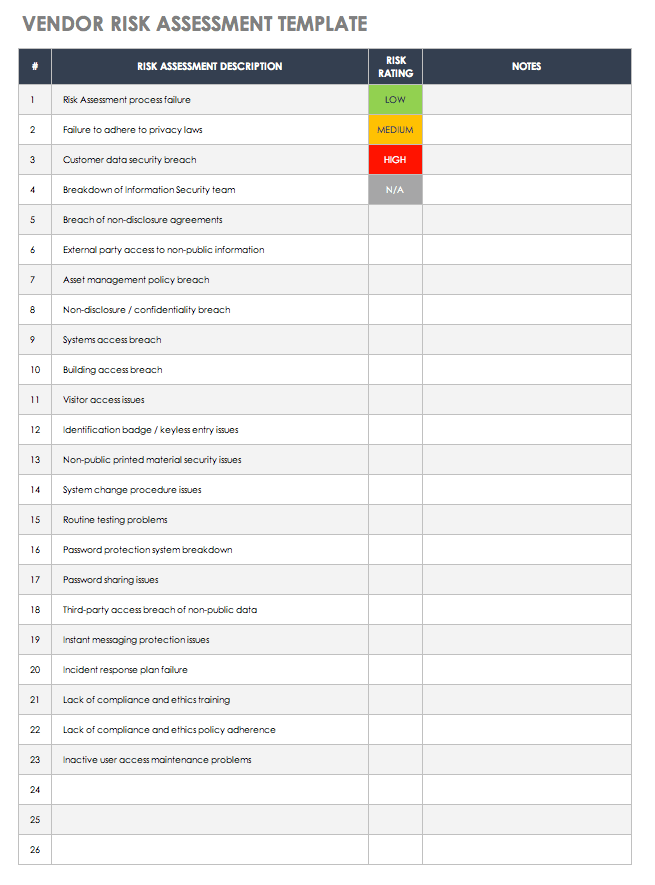
That’s where a well-structured approach comes in, guiding you through the complexities of evaluating your vendors. Having a clear, consistent process helps ensure you’re asking the right questions, assessing the right areas, and making informed decisions about who you trust with your data and operations. It’s about proactive protection, not just reactive damage control.
Why You Need a Robust Software Vendor Risk Assessment Template
When you bring in third-party software, you’re not just buying a tool; you’re inheriting a portion of that vendor’s security practices, data handling policies, and overall operational integrity. A breach originating from a vendor can be just as damaging, if not more so, than an internal breach, leading to reputational damage, financial losses, and regulatory penalties. This is why a comprehensive software vendor risk assessment template becomes an invaluable asset for any organization.
Such a template provides a standardized framework, ensuring that every vendor is evaluated against the same criteria. This consistency eliminates guesswork and ensures that no critical aspect of security or compliance is overlooked. It helps you identify potential weaknesses before they become active threats, allowing for informed decision-making and the implementation of necessary safeguards or alternative solutions. It also creates an auditable trail, which is crucial for compliance with various industry regulations and data protection laws.
Key Areas Your Template Should Cover
A truly effective template doesn’t just scratch the surface. It delves deep into various facets of a vendor’s operations to paint a complete risk picture. Here are some essential areas you should expect your template to address:
- Security Controls: What measures do they have in place to protect their systems and data? This includes firewalls, intrusion detection, encryption, access controls, and vulnerability management.
- Compliance & Regulatory Adherence: Do they comply with relevant industry standards (e.g., ISO 27001, SOC 2) and data privacy regulations (e.g., GDPR, CCPA)?
- Data Privacy Practices: How do they handle your organization’s data? What are their data retention, anonymization, and deletion policies?
- Financial Stability: Is the vendor financially stable enough to maintain their services and security posture long-term?
- Incident Response Capabilities: What is their plan if a security incident occurs? How quickly can they detect, respond to, and recover from a breach?
By systematically addressing these points, your software vendor risk assessment template becomes a powerful tool for due diligence, helping you build a resilient and secure digital ecosystem. It ensures that your vendor relationships are built on a foundation of trust and transparent security practices, mitigating risks before they materialize into costly problems.
Building Your Effective Software Vendor Risk Assessment Template
Creating a highly effective software vendor risk assessment template doesn’t have to be an overwhelming task. The goal is to develop a tool that is both thorough and practical for your specific business needs. Start by identifying your organization’s unique risk tolerance and compliance obligations. What data are you sharing? What regulations govern your industry? These foundational questions will help you tailor your template to focus on the most critical areas. Remember, a one-size-fits-all approach rarely works perfectly, so customization is key to its success.
Next, consider the different types of vendors you engage with. A vendor providing a simple internal productivity tool might require a less intensive review than one handling your core financial data or sensitive customer information. Your template should ideally be flexible enough to scale the assessment effort based on the perceived risk level of the vendor and the criticality of the service they provide. This tiering approach ensures that resources are allocated efficiently, focusing the deepest dives on the highest-risk partnerships.
When gathering information, be prepared to engage in an ongoing dialogue with your vendors. The template serves as a starting point for these conversations, prompting them to provide documentation, security certifications, and evidence of their controls. Don’t hesitate to ask follow-up questions or request clarifications. The more transparent and detailed the information exchange, the better informed your risk assessment will be. This collaborative approach also helps foster stronger vendor relationships built on mutual understanding of security expectations.
- Define Your Risk Appetite: Understand what level of risk your organization is willing to accept.
- Categorize Vendors: Group vendors by the criticality of their service and the data they access.
- Craft Specific Questions: Develop clear, unambiguous questions covering all identified risk areas.
- Request Supporting Documentation: Ask for proof, such as audit reports, penetration test results, and policy documents.
- Establish a Review Process: Define who reviews the responses and how often.
- Assign Risk Scores: Develop a consistent method for scoring risks and identifying red flags.
- Implement Mitigation Strategies: Plan actions for addressing identified risks.
- Monitor Continuously: Risk assessment is not a one-time event; regular reviews are crucial.
By following these steps, you empower your team to systematically evaluate potential software vendor risks, ensuring that every new partnership enhances, rather than detracts from, your organization’s overall security and operational resilience. It’s an ongoing process of diligence and adaptation.
Implementing a well-designed template is a significant step towards a more secure and resilient organization. It transforms the often-daunting task of vendor due diligence into a manageable, repeatable process, allowing your teams to make smarter, more secure decisions about the software you integrate. This proactive stance not only protects your assets but also builds a foundation of trust with your partners and stakeholders.