Begin by thinking about the delicate balance in caregiving: empowering individuals while ensuring their safety. It’s a fundamental aspect of providing person-centered support, acknowledging that every service user has unique needs, strengths, and potential vulnerabilities. Navigating this landscape effectively requires a structured approach to identifying, understanding, and mitigating potential risks without stifling independence or dignity.
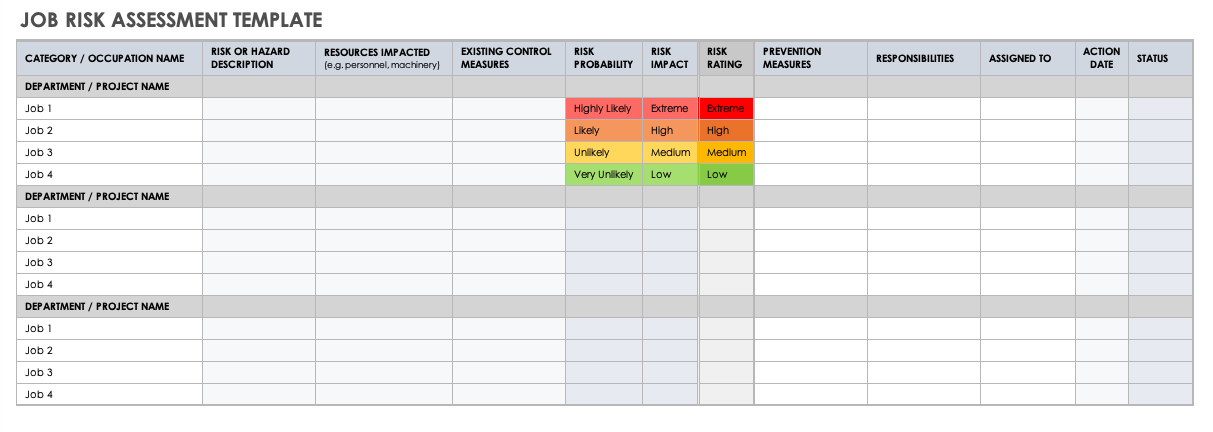
This is where a well-designed service user risk assessment template becomes an indispensable tool. Far more than just a piece of paperwork, it serves as a dynamic guide for care professionals, helping them systematically evaluate potential hazards, implement appropriate control measures, and continuously monitor the safety and well-being of those they support. It ensures a consistent, thorough, and auditable process that underpins the delivery of high-quality, safe, and compassionate care.
Understanding the Foundation of Service User Risk Assessment
At its heart, a service user risk assessment is a systematic process designed to identify and evaluate potential harm to an individual receiving care or support. It goes beyond merely listing dangers; it involves a deeper analysis of the likelihood of an event occurring and the severity of its potential impact. The aim is not to eliminate all risks, which is often impossible and undesirable as it can restrict autonomy, but rather to manage them effectively, reducing the likelihood of harm to an acceptable level while promoting a good quality of life.
This crucial process is about collaboration. It ideally involves the service user themselves, their family or advocates, and the care team. Their collective insights provide a holistic view of the individual’s environment, behaviors, preferences, and the specific challenges they might face. By integrating diverse perspectives, the assessment becomes person-centered, truly reflecting the unique circumstances of the individual rather than applying a generic checklist.
The importance of a robust assessment cannot be overstated. It is a legal requirement in many care settings, upholding duty of care responsibilities. Beyond compliance, it fosters a proactive safety culture, preventing incidents before they occur and providing a clear framework for responding effectively if they do. Ultimately, it contributes to peace of mind for service users, their families, and care providers alike, knowing that potential issues have been thoroughly considered and planned for.
A dedicated service user risk assessment template streamlines this complex process. It provides a structured format that guides assessors through each stage, ensuring no critical areas are overlooked. This standardization is vital for consistency across different care professionals and over time, making reviews and updates more straightforward and efficient. It acts as a memory aid and a detailed record of decisions made and actions taken.
Key Areas for Assessment and Mitigation
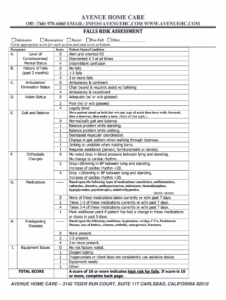
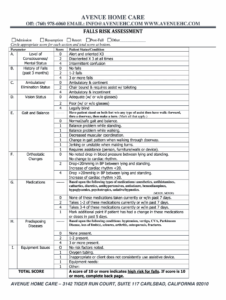
- Personal safety risks, such as falls, choking, or self-harm.
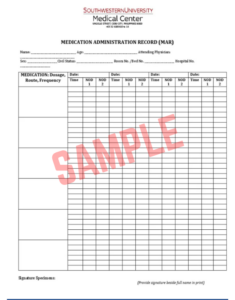
- Medication management risks, including adherence, side effects, and storage.
- Environmental hazards, like trip hazards, temperature control, or unsafe equipment.
- Social and emotional risks, such as isolation, abuse, or challenging behaviors.
- Financial risks, including fraud or exploitation.
- Risks associated with specific health conditions or disabilities.
Leveraging a Template for Enhanced Care Planning
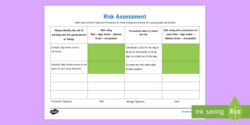
The true power of a comprehensive service user risk assessment template extends far beyond initial identification; it profoundly influences the development of personalized care plans. Once risks are identified and analyzed, the template provides dedicated sections to document the specific control measures and interventions needed. This translates directly into actionable steps for the care team, ensuring that every identified risk has a corresponding strategy to manage it.
A well-designed template encourages a cycle of continuous improvement. It includes prompts for regular review dates, ensuring that assessments are living documents that evolve with the service user’s needs and circumstances. Life situations change, health conditions fluctuate, and new risks can emerge, while existing ones might diminish. Regular reviews, facilitated by the template’s structure, mean care plans remain relevant, effective, and person-centered.
Furthermore, using a standardized template vastly improves communication and record-keeping within a care team. Everyone involved, from direct care staff to managers, can quickly understand the identified risks and the agreed-upon strategies. This clarity minimizes misunderstandings and ensures a consistent approach to care delivery. It also serves as robust evidence during inspections or audits, demonstrating diligence and compliance with regulatory standards.
Choosing the right service user risk assessment template is therefore a critical decision. It should be adaptable to various situations, clear in its language, and encourage detailed yet concise documentation. A good template acts as an educational tool for staff, reminding them of essential considerations and best practices in risk management. It transforms what could be a daunting task into a manageable and integral part of providing outstanding care, ultimately fostering an environment where service users can thrive safely.
When selecting or developing a template, look for features that facilitate:
- Clear identification of the specific risk.
- Assessment of likelihood and severity.
- Detailed recording of proposed control measures.
- Designation of responsibility for implementing actions.
- Defined review dates and mechanisms for updates.
- Space for service user involvement and consent.
Implementing a thorough approach to understanding potential hazards is more than just a procedural step; it’s a fundamental commitment to the well-being and autonomy of individuals in care. It underpins the trust placed in care providers and empowers staff to deliver support with confidence and competence. By systematically evaluating and managing risks, organizations not only meet their legal and ethical obligations but also create environments where individuals feel secure, respected, and able to live their lives to the fullest potential.
The proactive identification and management of risks ensures that care is not just reactive but thoughtfully planned and continuously adapted. This dedication to safety, combined with a focus on individual empowerment, forms the cornerstone of truly exceptional care delivery, leading to better outcomes for everyone involved. It cultivates a culture of vigilance and compassion, constantly striving to enhance the quality of life for all service users.