Working at height using rope access techniques is a highly specialized and efficient method for a vast array of tasks, from inspecting structures to maintenance and cleaning. While it offers unparalleled flexibility and access to difficult-to-reach locations, it inherently comes with significant risks. Ensuring the safety of the team and anyone in the vicinity is not just a regulatory requirement, but a moral imperative that underpins every successful project.
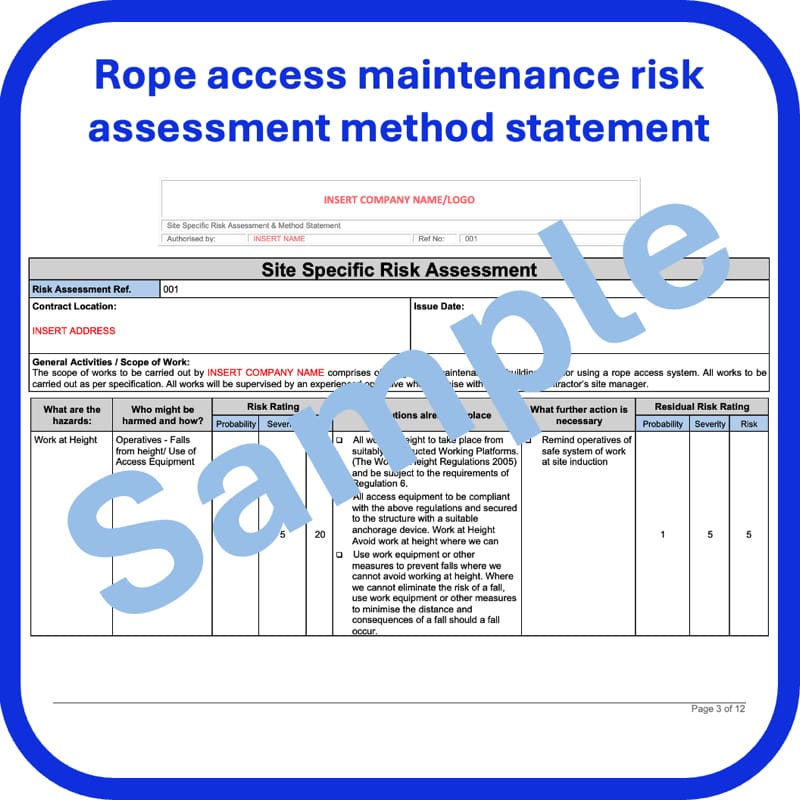
This is where a robust approach to safety, particularly through meticulous risk assessment, becomes the bedrock of any rope access operation. Moving beyond simple checklists, a comprehensive risk assessment identifies potential hazards, evaluates their likelihood and severity, and outlines control measures to mitigate them. It’s a proactive step that protects lives, prevents costly delays, and ensures compliance, and having a reliable framework to guide this process is absolutely invaluable.
Understanding the Core Elements of a Rope Access Risk Assessment
At its heart, a risk assessment is a careful examination of what, in your work, could cause harm to people, so that you can weigh up whether you have taken enough precautions or should do more to prevent harm. For rope access, this involves considering a unique blend of equipment, environmental factors, human elements, and the specific nature of the task being performed. It’s not just about the ropes themselves, but the entire ecosystem of the job site.
Think about the various hazards involved. You have equipment-related risks like anchor point failure, rope degradation, or harness malfunction. Then there are environmental hazards such as adverse weather conditions, falling objects, or unstable surfaces. Human factors, too, play a crucial role, including inadequate training, fatigue, or communication breakdowns. A thorough assessment must systematically consider all these potential pitfalls before any work begins.
Once potential hazards are identified, the next step is to evaluate the risk associated with each. This means determining how likely it is that harm will occur and how severe that harm might be. With this understanding, you can then decide on appropriate control measures. These measures should follow a hierarchy, prioritizing elimination, substitution, engineering controls, administrative controls, and finally, personal protective equipment (PPE). It’s about putting barriers in place to prevent incidents from happening.
Remember, a risk assessment isn’t a static document; it’s a living one. Conditions can change, new information might emerge, or the scope of work could evolve. Therefore, it’s vital to regularly review and update your assessments. This ensures that the control measures remain relevant and effective throughout the project’s lifecycle, maintaining the highest standards of safety for everyone involved. A well-structured rope access risk assessment template can guide you through this iterative process seamlessly.
Key Stages of a Thorough Assessment
Why a Dedicated Rope Access Risk Assessment Template is Indispensable
Having a standardized rope access risk assessment template isn’t just about ticking boxes; it’s a powerful tool that brings consistency, thoroughness, and efficiency to your safety management process. Imagine trying to create a bespoke risk assessment from scratch for every single project. It would be incredibly time-consuming and there would always be the risk of overlooking critical elements, no matter how experienced your team might be. A template provides a proven framework, ensuring that no stone is left unturned.
Templates act as a comprehensive checklist, prompting users to consider all the common and often overlooked aspects unique to rope access work. From the initial site survey and anchor point inspection to rescue plans and emergency procedures, a well-designed template guides you through each stage, making sure that every potential hazard and necessary control measure is addressed. This level of detail is crucial for complex operations where even minor oversights can have significant consequences.
Beyond practical application, using a template also demonstrates a commitment to regulatory compliance and best practices. It provides a clear, documented record of your safety considerations, which is invaluable for internal audits, client reviews, and regulatory inspections. This proactive documentation not only helps prevent incidents but also provides a defensible position should an incident unfortunately occur, proving due diligence was exercised.
Furthermore, a template is an excellent training and communication tool. It helps standardize safety language and procedures across different teams and projects, making it easier to onboard new personnel and ensure everyone understands their roles and responsibilities regarding safety. It promotes a culture of safety by embedding the risk assessment process deeply into the operational workflow, fostering a shared understanding of risks and controls among all team members.
This consistent approach ensures that whether you’re working on a wind turbine, a high-rise building, or an offshore platform, the fundamental safety principles and assessment procedures remain consistent. While each site will require specific considerations, the underlying structure provided by a quality template guarantees that no essential safety element is ever forgotten, leading to safer, more efficient, and ultimately more successful rope access operations.
Embracing a systematic approach to risk management, particularly through the use of a well-designed template, transforms safety from a mere obligation into an integrated part of operational excellence. It empowers teams to work confidently and competently, knowing that every foreseeable risk has been identified, evaluated, and mitigated. This commitment to meticulous planning and continuous review ultimately fosters a safer working environment for everyone involved in high-altitude endeavors.