In the complex and often high-stakes world of industrial operations, ensuring that your plant operators are not just present, but truly proficient, is absolutely non-negotiable. The smooth functioning of machinery, the safety of personnel, and the efficiency of production all hinge on the skills and knowledge of these critical individuals. Without a clear understanding of their capabilities, organizations expose themselves to significant risks, from costly equipment failures to serious safety incidents.

That is why a systematic approach to evaluating operator skills is so vital. It is not enough to simply assume competence; it needs to be regularly assessed, documented, and improved upon. This is where a well-designed framework comes into play, providing a structured way to measure, track, and enhance operator performance. Think of it as your blueprint for operational excellence, ensuring every shift is handled by capable hands.
The Cornerstone of Safety and Efficiency: Assessing Plant Operator Skills
Operating heavy machinery and managing intricate industrial processes demand a precise blend of technical expertise, situational awareness, and adherence to safety protocols. A lapse in any of these areas can have severe consequences, ranging from minor operational hiccups to catastrophic events that impact lives, the environment, and the company’s bottom line. Therefore, understanding the true competence of each plant operator is not just good practice; it is a fundamental requirement for responsible operation.
A robust assessment process acts as an early warning system, identifying skill gaps before they manifest as costly errors or dangerous incidents. It ensures that every operator is not only familiar with their assigned tasks but also understands the underlying principles, potential hazards, and correct emergency procedures. This proactive approach significantly reduces the likelihood of accidents, minimizes downtime, and ultimately contributes to a more reliable and productive operation. Moreover, it demonstrates due diligence to regulatory bodies, fostering a culture of compliance and continuous improvement.
Implementing a standardized approach across your entire workforce brings consistency to your evaluation efforts. It removes subjectivity and ensures that all operators are measured against the same high standards. This level of uniformity is crucial for fair evaluations, targeted training initiatives, and making informed decisions about workforce development. A comprehensive plant operator competency assessment template serves as the perfect tool to achieve this much-needed standardization, providing a clear roadmap for what needs to be evaluated and how.
Such a template should be more than just a checklist; it should be a dynamic document that reflects the evolving demands of your plant. It should cover a wide array of competencies, ensuring a holistic view of an operator’s capabilities. Consider including categories that address both the ‘what’ and the ‘how’ of their job.
Key Areas a Template Should Cover
- Operational Knowledge: Understanding equipment, processes, and control systems.
- Safety Protocols: Adherence to Lockout/Tagout, confined space entry, and emergency procedures.
- Troubleshooting Skills: Ability to identify and resolve common operational issues.
- Communication: Clear and concise reporting, effective shift handovers.
- Emergency Response: Proficiency in handling unexpected events, spills, or equipment failures.
- Regulatory Compliance: Knowledge of relevant industry standards and environmental regulations.
Building Your Own Effective Plant Operator Competency Assessment Template
Crafting an effective framework for evaluating your plant operators requires careful thought and a deep understanding of your specific operational environment. It is not about finding a one-size-fits-all solution, but rather tailoring a tool that precisely meets your organization’s unique needs and challenges. The goal is to create a dynamic document that not only assesses current skills but also guides future development and training efforts for your team.
Begin by meticulously defining the roles and responsibilities of each operator position within your plant. What critical tasks do they perform? What equipment are they responsible for? What level of decision-making authority do they possess? By clearly outlining these expectations, you establish the foundation for relevant assessment criteria. This initial step is paramount, as it ensures that your competency assessment directly addresses the real-world demands placed on your operators every day.
Next, consider the various methods you can employ to gather assessment data. A comprehensive approach often combines multiple techniques for a more complete picture. This might include direct observation of operators performing tasks, written examinations to test theoretical knowledge, simulator exercises for complex scenarios, and even peer or supervisor feedback. The key is to select methods that accurately measure the specific competencies you’ve identified, providing objective evidence of skill and understanding. Remember, the quality of your assessment is only as good as the data you collect.
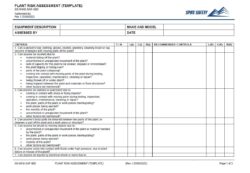
Once you have your methods, you’ll need a clear scoring rubric and a process for documenting results. A well-designed plant operator competency assessment template will feature clear performance indicators for each skill, allowing assessors to objectively rate an operator’s proficiency. This ensures consistency across different evaluators and provides actionable insights. Equally important is a feedback mechanism that allows operators to understand their strengths and areas for improvement, fostering a culture of continuous learning and professional growth within your team.
Elements to Include in Your Assessment Template
- Operator Identification Details: Name, ID, role, assessment date.
- Assessment Criteria: Clearly defined skills and knowledge areas.
- Scoring Rubric: A consistent scale for evaluating performance (e.g., Novice, Proficient, Expert).
- Assessment Methods Used: Checkboxes for observation, written test, simulation, etc.
- Assessor Comments: Space for detailed qualitative feedback and examples.
- Recommended Training/Development: Specific actions for improvement.
- Operator and Assessor Sign-offs: Acknowledgment and agreement on the assessment outcome.
Implementing a robust competency assessment program for your plant operators is far more than a bureaucratic exercise; it is a strategic investment in the safety, efficiency, and longevity of your operations. By systematically evaluating and developing your workforce, you build a resilient team capable of navigating the challenges of a demanding industrial environment with confidence and expertise. This proactive approach not only mitigates risks but also fosters a culture of continuous improvement and excellence that permeates throughout your entire organization.
Ultimately, a well-executed assessment framework empowers you to make informed decisions about training, career development, and resource allocation. It ensures that your most valuable assets your people are equipped with the knowledge and skills necessary to perform at their peak, safeguarding your plant’s integrity and driving consistent, high-quality output. This commitment to operator proficiency is the bedrock upon which safe, productive, and successful industrial operations are built.