In the intricate world of manufacturing, where precision, consistency, and compliance are paramount, a reliable system for documenting every step of the production process is not just helpful—it’s essential. This is precisely where a robust batch production record template comes into play, serving as the backbone for quality assurance and operational transparency across various industries, from pharmaceuticals to food and beverage, and cosmetics. It’s the definitive ledger that details every ingredient, every process, and every test, ensuring that each batch produced meets the stringent standards set by regulatory bodies and your own quality controls.

Imagine the complexities of creating a product that requires exact quantities, specific temperatures, and precise timings. Without a clear, step-by-step record, inconsistencies can creep in, leading to costly errors, product recalls, or even risks to consumer safety. A well-designed template helps to standardize these processes, making it easier for operators to follow instructions accurately and for supervisors to verify completion and adherence.
This article will delve into the critical role these records play in maintaining quality, ensuring compliance, and optimizing your manufacturing operations. We’ll explore why having a structured template is so beneficial, what key components an effective one should include, and how it can ultimately safeguard your brand’s reputation and bottom line.
Why a Robust Batch Production Record Is Your Manufacturing Lifeline
At its core, a batch production record is far more than just paperwork; it’s a living document that captures the entire journey of a product from raw material to finished goods. It acts as an invaluable asset for every manufacturing facility, driving consistency, accountability, and continuous improvement. Without a standardized approach to documentation, even the most meticulous processes can become vulnerable to human error, leading to significant headaches down the line.
One of the most immediate benefits is in quality control and consistency. Each batch production record serves as a detailed blueprint for how a product was made, including specific ingredient weights, mixing times, temperature settings, and equipment used. By comparing records across different batches, manufacturers can identify and correct deviations, ensuring that every unit produced consistently meets the desired specifications and quality standards, batch after batch. This level of detail is indispensable for maintaining product integrity and customer satisfaction.
Furthermore, these records are crucial for traceability and accountability. Should a problem arise with a finished product—perhaps a customer complaint about a specific batch—the production record provides a complete audit trail. It allows you to trace back to the exact raw material lot numbers, the specific operators involved, and the environmental conditions during production. This granular traceability is vital for quickly isolating the root cause of an issue, containing potential problems, and taking corrective actions efficiently.
From a regulatory standpoint, batch production records are non-negotiable. Industries subject to Good Manufacturing Practices (GMP) or other stringent regulations, such as those governed by the FDA, require meticulous documentation of every production step. These records demonstrate compliance during audits, proving that products are manufactured according to established procedures and quality standards. Failure to maintain accurate and complete records can result in significant fines, product recalls, and even the suspension of manufacturing licenses.
Beyond compliance, well-maintained batch production records contribute significantly to operational efficiency and optimization. By analyzing data captured in these records over time, managers can identify bottlenecks, inefficiencies, or areas where processes can be streamlined. Perhaps a particular step consistently takes longer than expected, or a specific ingredient batch frequently causes issues. This data-driven insight empowers process improvements, reduces waste, and ultimately lowers production costs.
Finally, these records serve as an excellent training and onboarding tool. New employees can refer to past records to understand standard operating procedures in a real-world context, seeing exactly how previous batches were successfully produced. This practical learning helps accelerate their integration into the production team and minimizes the learning curve, ensuring that critical knowledge is transferred effectively and consistently across the workforce.
Key Components of an Effective Batch Production Record Template
Crafting a batch production record template that truly works for your operation involves more than just listing steps; it requires a thoughtful integration of all critical data points that affect your product’s journey. A well-designed template is intuitive, comprehensive, and easy for operators to complete accurately, minimizing errors and maximizing data utility. It should be structured in a way that guides the user through each phase, prompting for necessary information at every turn.
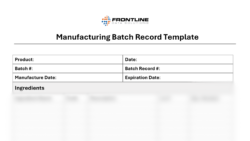
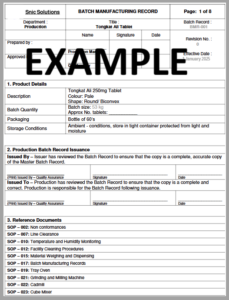
At its core, every effective template should start with general batch information. This includes a unique batch identification number, the product name, the date of manufacture, the planned batch size, and the names or signatures of the operators and supervisors involved. This foundational data ensures that each record can be easily identified and linked to specific production runs and personnel.
Following the general information, details about raw materials are paramount. This section should list every ingredient used, along with its specific lot number, supplier, quantity weighed or measured, and the signature of the person who verified the addition. Documenting this thoroughly is critical for traceability, allowing you to pinpoint the source of any material-related issues quickly.
To ensure your batch production record template captures all necessary information, consider including these vital sections:
- Processing Steps: A clear, step-by-step outline of the manufacturing process, detailing each action, equipment used, critical process parameters (like temperature, pressure, mixing speed), and the time and date of completion. Each step should include space for operator initials or signatures upon completion.
- In-Process Checks and Quality Control Points: Specific points throughout the production process where samples are taken, tests are performed, and results are recorded. This includes parameters like pH levels, viscosity, appearance, and any other relevant quality attributes. Signatures confirming these checks are essential.
- Packaging and Labeling Details: Documentation of the packaging materials used, the quantity of product packaged, and verification of correct labeling, including batch numbers and expiry dates.
- Deviation Management: A dedicated section to record any deviations from the standard operating procedure, including the nature of the deviation, its potential impact, the immediate corrective actions taken, and the signature of the approving authority. This is crucial for continuous improvement and regulatory compliance.
- Final Review and Approval: Space for a supervisor or quality assurance personnel to review the entire record, confirm its completeness and accuracy, and provide final approval before the batch is released.
This comprehensive approach ensures that the template serves as a complete historical account, not just a checklist, providing invaluable insights and safeguarding product quality from start to finish.
Implementing a robust system built around a well-designed batch production record template is a fundamental step toward achieving manufacturing excellence. It underpins your ability to deliver consistent quality, build trust with consumers, and navigate the complex landscape of regulatory compliance with confidence. The investment in creating and utilizing such a system pays dividends through reduced errors, improved efficiency, and a stronger reputation in the market.
Ultimately, by embracing thorough documentation practices, businesses can transform potential manufacturing challenges into opportunities for growth and innovation. This commitment to detail ensures that every product leaving your facility is a testament to your dedication to quality and operational integrity, fostering a foundation for sustainable success.