Planning an outdoor event, whether it’s a vibrant music festival, a bustling food market, a community fair, or a private celebration, brings a unique set of challenges and responsibilities. While the open air offers a fantastic atmosphere, it also introduces specific safety considerations that differ greatly from indoor venues. Among these, fire safety stands out as one of the most critical aspects, demanding meticulous attention and proactive planning to ensure everyone’s well-being and the event’s success.

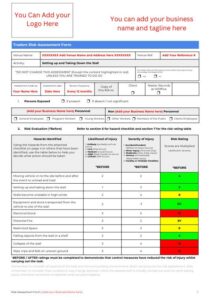
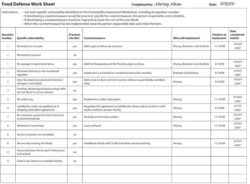
The thought of fire risk might seem daunting, especially with so many other logistical elements to manage. However, approaching this vital task doesn’t have to be overwhelming. Having a structured approach, ideally guided by a comprehensive outdoor event fire risk assessment template, can transform a complex undertaking into a manageable and systematic process, helping you identify, evaluate, and mitigate potential hazards before they escalate.
Understanding the Core Elements of Fire Risk Assessment for Outdoor Events
When you’re dealing with an outdoor event, fire risk assessment isn’t just about checking a few boxes; it’s about a deep understanding of the environment and the activities taking place. Unlike an indoor building with fixed fire suppression systems and clear exits, an outdoor setting is dynamic. You have to consider variables like wind direction, dry grass, temporary structures, power generators, and the sheer unpredictability of nature. Your assessment needs to account for how these elements interact with potential ignition sources and fuel, creating a comprehensive picture of the risks involved.
This process begins with identifying who might be at risk – attendees, staff, performers, vendors – and then pinpointing potential fire hazards and sources of fuel. Think about everything that could ignite and everything that could burn. Are there open flame cooking stations? What about electrical cables running across potentially damp ground? Are there areas where waste could accumulate and become a fire hazard? A thorough assessment considers the entire event footprint, from entry points to stages, food areas, and restroom facilities.
Identifying Specific Fire Hazards
- Cooking areas: Barbecues, food trucks, and catering equipment often involve high heat, gas cylinders, and cooking oils, all significant fire risks.
- Heating sources: Patio heaters, fire pits, and bonfires, while creating ambiance, require strict management and clear exclusion zones.
- Electrical equipment: Generators, lighting rigs, sound systems, and charging stations can pose risks if not properly installed, maintained, and protected from weather.
- Pyrotechnics and fireworks: Any planned displays of this nature demand specialist oversight and extremely stringent safety protocols.
- Smoking areas: Uncontrolled smoking can lead to discarded butts igniting dry vegetation or combustible materials.
- Combustible materials: Decorations, temporary shelters, waste bins, and even attendees’ clothing can contribute to fire spread.
- Vehicles and fuel: Service vehicles, forklifts, and any on-site fuel storage need to be safely managed and located away from high-traffic or ignition-prone areas.
- Environmental factors: Dry grass, dense foliage, and strong winds can dramatically increase the speed and intensity of a fire.
Once identified, each risk needs to be evaluated for its likelihood of occurring and the potential severity of its consequences. This involves considering the number of people present, the proximity of hazards to flammable materials, and the ease of escape. An effective outdoor event fire risk assessment template helps organize this complex information, ensuring no critical aspect is overlooked.
Developing Your Action Plan and Implementing Controls
Identifying the risks is only half the battle; the next crucial step is putting robust control measures in place to eliminate or reduce those risks to an acceptable level. Your action plan should be practical, clear, and assign specific responsibilities to individuals or teams. It’s about proactive prevention and having a swift, effective response strategy should an incident occur. Think about layers of protection, from preventing ignition in the first place, to containing a fire, and ultimately, ensuring safe evacuation.
Effective control measures often involve careful site planning and management. This includes creating designated zones for high-risk activities like cooking, ensuring they are well away from flammable materials and have adequate clearance. Electrical equipment must be regularly checked, correctly rated for outdoor use, and protected from overload and weather. Clearly marked and easily accessible fire points, equipped with appropriate fire extinguishers, fire blankets, and possibly even water hoses, are absolutely essential. Furthermore, ensuring clear access routes for emergency services, often referred to as fire lanes, is non-negotiable for large events.
Communication and training play an enormous role in the success of any fire safety plan. All staff and vendors should receive clear briefings on emergency procedures, including how to raise the alarm, where to find fire fighting equipment, and their roles in an evacuation. Attendees also need to be informed through clear signage for emergency exits, assembly points, and any specific fire safety rules like designated smoking areas. Liaising closely with local fire and rescue services in advance of the event is also highly recommended to ensure their awareness and input into your plan.
Remember, fire risk assessment is not a one-off task. It’s a continuous process, especially for outdoor events where conditions can change rapidly. Factors like weather shifts (e.g., sudden strong winds or prolonged dry spells) can significantly alter the risk profile. Your plan should include provisions for ongoing monitoring and the flexibility to adapt. Regularly reviewing your fire safety measures, conducting drills, and making necessary adjustments based on new information or feedback ensures that your outdoor event remains as safe as possible from fire hazards, proving the ongoing utility of a well-structured outdoor event fire risk assessment template.
The effort put into a thorough fire risk assessment and the implementation of robust safety measures offers more than just compliance; it provides peace of mind. Knowing that you’ve meticulously considered potential dangers and established clear protocols allows everyone involved to focus on enjoying the event, fostering a positive and secure atmosphere for all.
Ultimately, successful event management hinges on foresight and preparation. By embracing a comprehensive approach to fire safety, you are not only protecting lives and property but also safeguarding your reputation and the future success of your ventures. Thoughtful planning today ensures vibrant, memorable, and above all, safe events for everyone tomorrow.