Launching a new product is an exciting venture, brimming with potential and innovative ideas. However, beneath the surface of ambition and market opportunity lies a landscape of potential challenges that, if ignored, can quickly derail even the most promising initiatives. From unforeseen market shifts to technical glitches or compliance hurdles, the journey from concept to consumer is paved with a variety of risks that demand careful consideration.
This is where a structured approach becomes not just helpful, but absolutely essential. Proactive identification and mitigation of these risks can be the difference between a triumphant launch and a costly misstep. Understanding what these risks are, how they might impact your product, and most importantly, how to address them before they become problems, is a cornerstone of successful product development.
What Exactly is Product Risk Assessment and Why Do You Need One?
A product risk assessment is essentially a systematic process of identifying, analyzing, and evaluating potential risks associated with a new product throughout its lifecycle, from conception to market release and beyond. Think of it as your product’s personal shield, designed to highlight vulnerabilities before they can be exploited. It involves looking at every angle, asking tough questions, and anticipating what could go wrong, so you can put strategies in place to prevent or lessen the impact of those issues. Without this critical step, you’re essentially launching your product blindfolded, hoping for the best but utterly unprepared for the worst.
The reasons for conducting a thorough product risk assessment are numerous and compelling. Firstly, it safeguards your financial investment. Every resource poured into product development, marketing, and distribution is at stake. Identifying risks early can prevent costly reworks, recalls, or even product abandonment. Secondly, it protects your brand reputation. A flawed or unsafe product can quickly erode consumer trust, which is incredibly difficult to rebuild. Finally, in many industries, conducting a risk assessment is not just good practice but a regulatory requirement, ensuring your product meets safety and quality standards before it ever reaches a customer.
Identifying Potential Pitfalls
The initial step in any robust risk assessment is casting a wide net to capture all possible risks. This isn’t just about big, obvious dangers; it’s also about the subtle issues that can snowball into significant problems. This stage often involves brainstorming with various teams, from engineering to marketing, legal, and customer service, to get a comprehensive view. Every department brings a unique perspective on where things might go awry.
Evaluating Impact and Likelihood
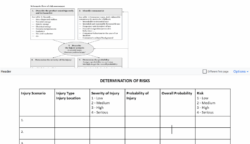
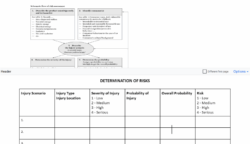
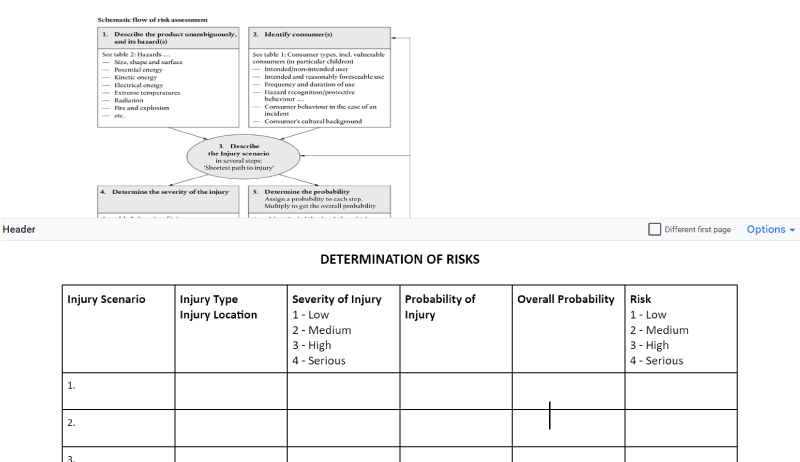
Once risks are identified, the next crucial step is to evaluate them. This typically involves assessing two key factors: the potential impact (how severe would the consequences be if this risk materialized?) and the likelihood (how probable is it that this risk will actually occur?). By plotting these on a matrix, you can prioritize risks, focusing your limited resources on those that are both highly probable and highly impactful. This structured approach ensures you’re tackling the most critical threats first.
A comprehensive product risk assessment typically covers several categories of risk, including:
- Market Risk: Will customers adopt the product? Is there enough demand? How strong is the competition?
- Technical Risk: Can we build it? Will it perform as expected? Are there any unforeseen engineering challenges?
- Financial Risk: Is the project within budget? What is the potential return on investment? What are the cost implications of failure?
- Operational Risk: Do we have the resources and processes to produce and deliver the product efficiently?
- Compliance and Legal Risk: Does the product meet all relevant regulations, laws, and safety standards? Are there any intellectual property concerns?
How a New Product Product Risk Assessment Template Streamlines Your Launch
Imagine trying to build a complex structure without blueprints, or cooking a new dish without a recipe. It’s doable, perhaps, but certainly not efficient, and often fraught with error. The same applies to product launches and risk management. This is where a new product product risk assessment template comes into its own, providing a clear, structured framework that guides you through the entire process, ensuring no critical step or potential pitfall is overlooked. It brings consistency to your risk management efforts, making sure every new product undergoes the same rigorous scrutiny.
A template acts as a central hub for all your risk-related information, fostering better communication and collaboration among different teams. Instead of ad-hoc discussions or scattered notes, everyone works from the same document, speaking the same language when it comes to risk. This shared understanding is vital for creating effective mitigation strategies, as everyone knows their role and the implications of each identified risk. It transforms what could be a chaotic process into an organized, manageable task.
Furthermore, a well-designed template ensures that your risk assessments are comprehensive. It prompts you to consider areas you might otherwise forget, nudging you to think about market trends, technical dependencies, supply chain vulnerabilities, and even the nuances of customer support. This holistic view helps to uncover hidden risks that could emerge later in the product lifecycle, saving you time, money, and headaches down the road. It’s about being thorough, not just busy.
Ultimately, using a template doesn’t just make the process easier; it makes it more effective. It provides a historical record of all identified risks, their assessment, and the actions taken, which is invaluable for future product development and continuous improvement. This documentation can serve as a learning tool, helping your team refine their risk assessment skills over time and ensuring that lessons learned from one product launch are applied to the next. It’s about building a smarter, more resilient product development process.
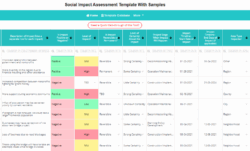
A robust template typically includes sections for:
- Product Description and Scope
- Identified Risk Categories (e.g., technical, market, financial, operational, regulatory)
- Specific Risk Descriptions
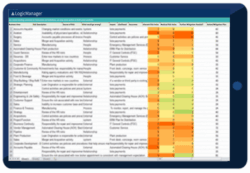
- Impact and Likelihood Assessment (often a matrix)
- Risk Score/Priority
- Mitigation Strategies and Action Plans
- Responsible Parties
- Target Completion Dates
- Status Updates and Review Dates
Embracing a systematic approach to risk management is not about stifling innovation or becoming overly cautious; it’s about making informed decisions that pave the way for successful product launches. By thoroughly understanding and addressing potential hurdles, you can navigate the complex journey of product development with greater confidence and significantly enhance your chances of market success. It empowers your team to innovate boldly, knowing they have a safety net in place.
Investing time in a comprehensive risk assessment, ideally supported by a well-designed template, is an investment in your product’s future. It provides clarity, reduces uncertainty, and ultimately positions your new offering for a much smoother and more triumphant entry into the market. So, as you embark on your next exciting product journey, remember that foresight and preparation are your strongest allies.