Embarking on any new project, whether it’s developing a sprawling urban complex, launching a manufacturing plant, or implementing a large-scale agricultural initiative, carries with it an inherent responsibility. Beyond the immediate economic gains or innovative breakthroughs, every endeavor interacts with its surroundings – both the natural environment and the human communities that call it home. Understanding and managing these interactions proactively is not just good practice; it’s increasingly a legal requirement and a fundamental expectation from global society.

This is where the concept of an Environmental and Social Impact Assessment (ESIA) comes into play. It’s a systematic process designed to identify, predict, evaluate, and mitigate the potential environmental and social impacts of a project, before any shovel even breaks ground. While the process can seem daunting due to its comprehensive nature, having a structured approach can make all the difference. That’s precisely why an effective environmental and social impact assessment template is an invaluable tool for any organization committed to sustainable development.
What Goes Into an Effective Environmental and Social Impact Assessment Template?
Crafting a robust Environmental and Social Impact Assessment isn’t just about ticking boxes; it’s about fostering a deep understanding of a project’s potential footprint. A well-designed template serves as your roadmap, guiding you through the intricate layers of environmental science, social dynamics, and regulatory compliance. It ensures that no critical aspect is overlooked, providing a consistent framework for data collection, analysis, and reporting across different projects or phases. Think of it as your project’s conscience, helping you visualize and address challenges before they become costly problems.
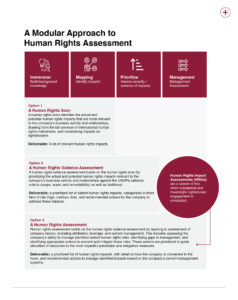
At its core, such a template provides a standardized structure, which is vital for both internal consistency and external stakeholder communication. It typically begins by clearly defining the project, its objectives, and its geographical scope. This foundational information sets the stage for everything that follows, helping to contextualize potential impacts. From there, the template systematically moves into assessing the existing conditions – what we refer to as the “baseline environment” – before the project even begins its operations.
Once the baseline is established, the template shifts its focus to identifying and predicting the specific environmental and social impacts the project might create. This involves a rigorous analysis of various factors, from air and water quality to biodiversity, noise levels, cultural heritage, and community livelihoods. But identification is only half the battle; the real value lies in proposing effective mitigation measures. An excellent template will prompt you to not just list impacts, but to detail actionable strategies to avoid, minimize, or compensate for them, while also exploring opportunities for positive enhancement.
Finally, an environmental and social impact assessment template emphasizes the importance of ongoing monitoring and management plans. It’s not enough to assess impacts once; projects evolve, and so do their effects. The template will guide you in outlining how impacts will be tracked over time, how mitigation measures will be implemented and evaluated, and how stakeholders will remain engaged throughout the project lifecycle. This commitment to continuous oversight ensures that the project remains aligned with its sustainability goals long after the initial assessment is complete.
Core Elements of Your Template
- Project Description and Context
- Baseline Environmental and Social Conditions
- Impact Identification and Assessment
- Mitigation and Enhancement Measures
- Monitoring and Management Plans
- Stakeholder Engagement and Consultation
- Reporting and Disclosure
Each of these components plays a crucial role in piecing together a comprehensive picture. From detailed descriptions of the project’s activities to the nuanced identification of direct, indirect, and cumulative impacts, the template acts as an organizational backbone. It ensures that the assessment delves deep into both the biophysical environment and the human elements, including economic impacts, social structures, health, and cultural practices.
Why Adopt a Standardized Environmental and Social Impact Assessment Template?
In today’s fast-paced world, efficiency and thoroughness don’t have to be mutually exclusive, especially when it comes to managing project impacts. Adopting a standardized environmental and social impact assessment template offers a multitude of benefits that extend far beyond simple compliance. It empowers project teams to approach complex evaluations with clarity and consistency, reducing the chances of oversight and streamlining the entire assessment process. Imagine having a tried-and-true framework that can be adapted and reused, saving valuable time and resources with each new project.
One of the primary advantages is the enhanced consistency it brings to your assessments. When every project utilizes the same foundational structure, it becomes easier to compare findings, identify trends, and ensure that all relevant criteria are being addressed systematically. This consistency is not only beneficial for internal management but also invaluable when communicating with regulatory bodies, investors, and local communities, as it demonstrates a commitment to a transparent and rigorous process.
Furthermore, a well-structured template acts as a powerful risk management tool. By systematically prompting for the identification of potential environmental and social risks early on, it allows for proactive planning and the development of effective mitigation strategies. This foresight can prevent costly delays, avoid legal challenges, and protect the organization’s reputation from unforeseen negative impacts. It’s about turning potential liabilities into managed challenges, fostering greater resilience in your project development.
Using a standardized template also significantly improves stakeholder engagement and communication. It provides a clear agenda for consultations, ensuring that all parties involved – from local residents to government agencies – understand the scope of the assessment and how their input will be integrated. This transparency builds trust and can lead to more collaborative and effective outcomes, as diverse perspectives are brought to the table early in the planning stages. This shared understanding can often accelerate project approvals and foster better long-term relationships.
Finally, a standardized template supports scalability and continuous improvement. As your organization undertakes more projects, the template can be refined and enhanced based on lessons learned, incorporating best practices and adapting to evolving regulatory landscapes. This iterative process means that your assessment capabilities grow stronger over time, ensuring that each new project benefits from the collective experience and knowledge gained from previous endeavors. It moves beyond a one-off document to become a living framework for sustainable development.
- Ensures Comprehensive Coverage
- Streamlines Project Approvals
- Improves Stakeholder Trust
- Facilitates Data Comparison and Benchmarking
- Reduces Legal and Reputational Risks
By implementing a consistent framework, organizations can foster a culture of responsible development, where environmental stewardship and social equity are integrated into the very fabric of project planning and execution. This approach not only meets current demands but also prepares businesses for future challenges and opportunities in an increasingly conscious world.
The journey towards sustainable project development is ongoing, and having the right tools makes all the difference. Embracing a comprehensive framework helps ensure that every new venture contributes positively to both our planet and its people. It’s about building a legacy of responsibility, one project at a time.