Understanding the true needs of patients, communities, and even healthcare professionals is foundational to delivering effective and compassionate care. It’s not enough to simply offer services; we need to ensure those services genuinely address the gaps, challenges, and desires present within the health landscape. This can often feel like a complex puzzle, with many moving parts and diverse perspectives to consider.
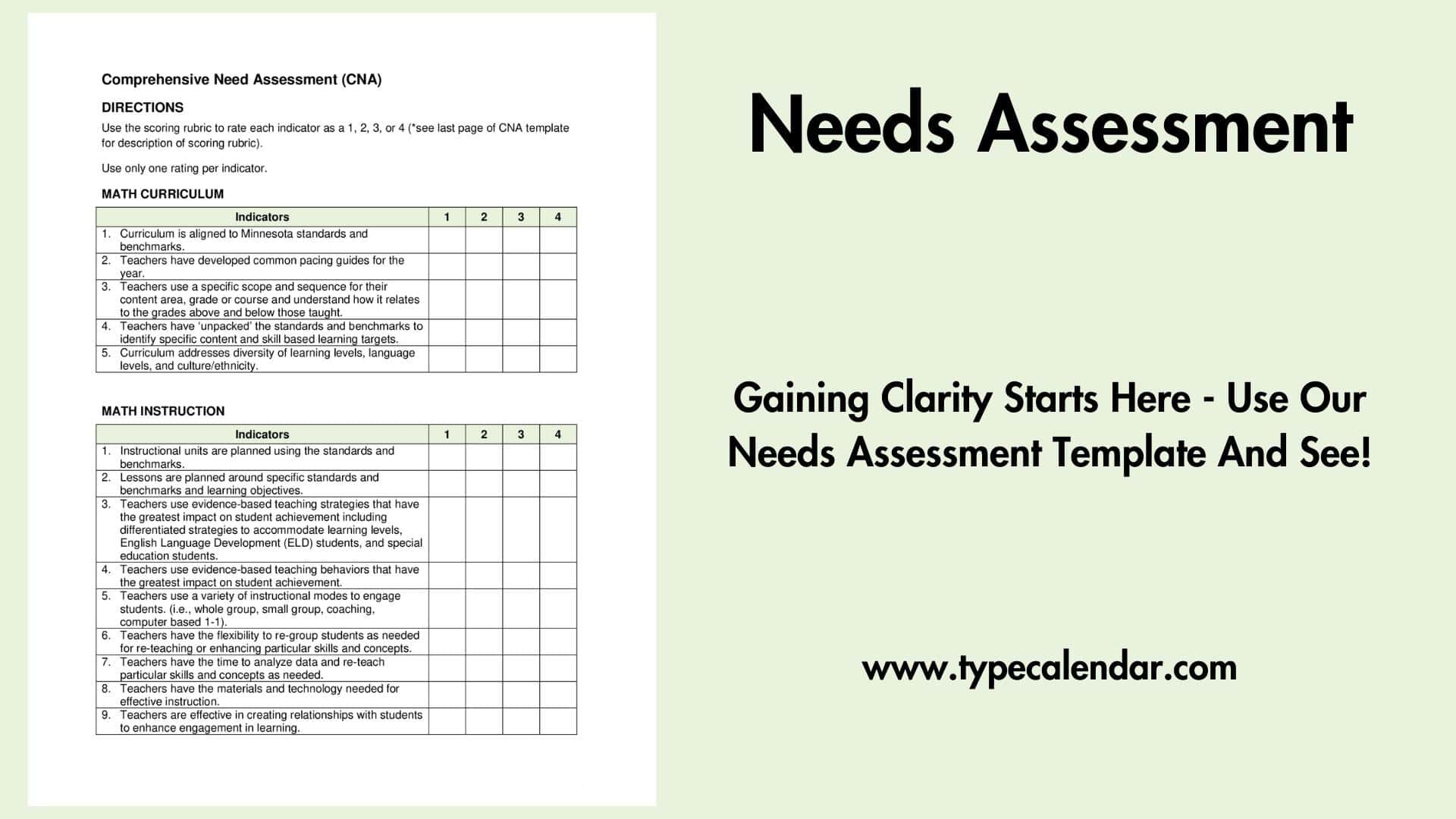
Fortunately, there’s a structured approach that can illuminate these critical areas, guiding decision-making and resource allocation more effectively. For anyone looking to systematically identify health disparities, program gaps, or patient preferences, the ideal solution often comes in the form of a robust needs assessment template for healthcare. It provides a roadmap, ensuring no vital stone is left unturned.
What Exactly Is a Needs Assessment in Healthcare and Why Does It Matter So Much?
At its heart, a needs assessment in healthcare is a systematic process designed to identify the gap between what currently exists (the “current state”) and what should exist (the “desired state”). Think of it as taking a detailed snapshot of a community’s or patient group’s health situation, pinpointing areas where health outcomes are suboptimal, resources are lacking, or where specific interventions could make a significant difference. It’s about moving beyond assumptions and gathering real data to inform action.
This process matters immensely because it’s the bedrock of evidence-based practice and person-centered care. Without a clear understanding of needs, healthcare initiatives risk being misdirected, inefficient, or even entirely irrelevant to the people they are supposed to serve. A well-executed needs assessment ensures that limited resources – whether financial, human, or infrastructural – are channeled towards the most impactful areas, leading to improved health outcomes and greater satisfaction for everyone involved. It helps prioritize problems and design solutions that actually hit the mark.
Who Benefits from a Thorough Healthcare Needs Assessment?
- Patients and Communities: They receive care and services that are genuinely tailored to their specific challenges, preferences, and cultural contexts, leading to better health and well-being.
- Healthcare Providers: Gain valuable insights that enable them to develop more effective programs, refine existing services, and advocate for resources based on tangible evidence.
- Administrators and Decision-Makers: Equipped with comprehensive data, they can make informed choices regarding budget allocation, staffing levels, facility planning, and policy development.
- Public Health Officials: Can identify broader population health trends, risk factors, and underserved groups, allowing for targeted public health campaigns and interventions.
Ultimately, neglecting a needs assessment is like building a house without blueprints; you might end up with something functional, but it’s unlikely to be optimized, resilient, or truly meet the inhabitants’ desires. It’s a proactive step that transforms reactive problem-solving into strategic planning, ensuring healthcare efforts are both effective and sustainable in the long run.
Designing Your Own Powerful Needs Assessment Template
Now that we appreciate the immense value of a needs assessment, let’s talk about how you can put together an effective framework. While there isn’t a single universal template that fits every scenario, the beauty of a needs assessment template is its adaptability. You can tailor it to suit specific populations, health conditions, geographical areas, or even the scope of a particular program you are evaluating. The key is to think systematically about what information you need to gather to paint a complete picture.
When constructing your template, consider various dimensions of health and well-being. It’s not just about physical ailments; social, environmental, and behavioral factors play a huge role. Think about the kind of data that will reveal both overt problems and underlying causes. A comprehensive template will guide your data collection, ensuring consistency and making analysis much more straightforward once the information starts rolling in.
Here are some essential categories and specific points you might want to include in your template:
- Demographic Information: Age, gender, ethnicity, income level, education, marital status, geographic location.
- Health Status: Current medical conditions, chronic diseases, medication use, mental health status, health screenings history.
- Access to Healthcare: Insurance coverage, transportation barriers, proximity to facilities, perceived wait times, familiarity with healthcare system.
- Lifestyle and Behavioral Factors: Diet, exercise habits, smoking status, alcohol consumption, substance use, sleep patterns.
- Social and Environmental Determinants: Housing stability, social support networks, safety of neighborhood, exposure to environmental hazards.
- Perceived Needs and Priorities: What individuals or communities identify as their most pressing health concerns and what solutions they believe would be most helpful.
- Knowledge, Attitudes, and Beliefs: Understanding of health topics, health literacy levels, cultural beliefs influencing health behaviors.
- Barriers to Care: Financial constraints, language barriers, cultural insensitivity, lack of trust in providers, fear or stigma.
Once your template is designed, the next step involves deciding on your data collection methods. Will you use surveys, interviews, focus groups, or analyze existing health records? Often, a mixed-methods approach provides the richest data. Remember, the ultimate goal is to generate actionable insights. A well-crafted needs assessment template for healthcare isn’t just a document; it’s a dynamic tool that empowers you to move from identifying problems to designing meaningful, impactful solutions that truly make a difference in people’s lives.
Embracing a systematic approach to understanding health needs is a powerful step towards building a more responsive and effective healthcare system. By diligently gathering and analyzing information, we can move beyond assumptions, ensuring that every intervention and every resource is directed precisely where it can do the most good. This thoughtful process illuminates the path forward, transforming challenges into clear opportunities for improvement.
Ultimately, this proactive strategy enables us to create health services and programs that are not only efficient but also deeply resonate with the people they serve. It’s about fostering an environment where care is truly patient-centered, community-focused, and continuously evolving to meet the ever-changing landscape of health and well-being.