In today’s world, where many services are brought directly to people’s homes, the concept of a home visit is more common than ever. Whether you’re a healthcare professional, a social worker, a care provider, or even a tradesperson, stepping into someone else’s personal space comes with its own unique set of considerations. While the primary goal is always to deliver excellent service, ensuring the safety and well-being of both the visitor and the client is absolutely paramount.

Navigating different home environments means encountering a variety of unpredictable elements, from uneven steps to pets, or even unforeseen emotional situations. It’s not about being overly cautious, but rather about being prepared and proactive. This is where a structured approach to identifying and mitigating potential dangers becomes invaluable, helping everyone involved feel secure and respected. It’s about being mindful and ready for anything.
Understanding the Importance of a Home Visit Risk Assessment
When you or your team conduct home visits, you’re entering an environment that isn’t under your direct control. This immediately introduces variables that simply don’t exist in a controlled office or clinic setting. Understanding the risks involved isn’t just a good practice; it’s a critical component of professional responsibility, safeguarding both your staff and the clients they serve. It helps prevent accidents, injuries, and uncomfortable situations before they even arise, fostering a sense of trust and reliability.
Beyond the immediate safety concerns, a thorough risk assessment also plays a significant role in meeting legal and ethical obligations. Many professional bodies and regulatory frameworks require organizations to demonstrate due diligence in protecting their employees, especially when working off-site. Failing to conduct proper assessments can lead to legal liabilities, reputational damage, and a breakdown in confidence. It’s about showing that you genuinely care about the well-being of everyone involved in the home visit process.
Think about the sheer diversity of homes and situations. One visit might be to a pristine, quiet apartment, while another could be to a bustling household with several pets, or a home with accessibility challenges. Each scenario presents different potential hazards. It’s not about being judgmental, but about having a systematic way to identify what these might be and how to effectively manage them so that the visit can proceed safely and productively. This proactive mindset is key to successful home-based service delivery.
Key Areas to Consider in Your Assessment
- Environmental Hazards: This includes everything from uneven garden paths, loose rugs, steep stairs, poor lighting, or even the presence of pets like dogs or cats that might react unexpectedly to strangers.
- Personal Safety: Consider the client’s disposition, the presence of other individuals in the home, or situations where lone working might pose additional risks. Having clear communication plans and emergency contacts is vital.
- Property Conditions: Look for potential trip hazards inside the home, issues with cleanliness that could pose health risks, or lack of heating/cooling that might affect the comfort and safety of the visit.
- Emergency Procedures: Ensure there’s a clear understanding of what to do in case of a medical emergency, a fire, or any other critical incident. Knowing escape routes and having access to a phone are basic necessities.
- Confidentiality and Data Protection: While not a physical risk, maintaining client privacy in their own home environment, especially when discussing sensitive information, is paramount.
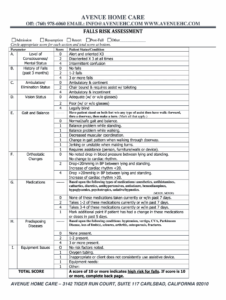
Having a comprehensive home visit risk assessment template helps you systematically review these and many other potential issues. It ensures that no critical factor is overlooked, providing a consistent framework for all staff members. This systematic approach not only protects your team but also enhances the overall quality and safety of the service you provide, making every home visit a secure and effective engagement.
Building Your Effective Home Visit Risk Assessment Template
Creating a truly effective home visit risk assessment template doesn’t have to be complicated, but it does need to be thorough and practical. The goal is to provide a clear, easy-to-use tool that guides your staff through a systematic review of potential hazards before, during, and after a home visit. Start by outlining the basic information required: date of visit, client name, address, and the purpose of the visit. This foundational data ensures every assessment is properly documented and linked to the specific interaction.
Next, focus on hazard identification. This section should prompt the assessor to consider various categories of risks, as discussed previously. Using a checklist format can be incredibly helpful here, allowing staff to quickly tick off common hazards and add notes for less common ones. Think about dividing this into external factors (e.g., access to the property, neighborhood safety) and internal factors (e.g., condition of the home, client behavior, presence of others). The more structured this section, the less likely critical elements are to be missed.
Once hazards are identified, the template should then move to risk level assessment and control measures. For each identified hazard, how severe is the risk, and what steps can be taken to mitigate it? This might involve suggesting actions like “ensure a colleague accompanies the visit,” “request the pet be secured,” or “plan an alternative meeting location if the home environment is deemed unsafe.” Providing space for specific actions and who is responsible for carrying them out turns the assessment from a simple observation into an actionable safety plan.
Finally, your template should include sections for review and sign-off. This ensures accountability and allows for continuous improvement. Who reviewed the assessment? When was it reviewed? Are there any follow-up actions required? Regular review dates are crucial, especially for ongoing home visits, as situations can change. An effective home visit risk assessment template isn’t a one-time form; it’s a living document that evolves with each interaction and with feedback from your team, continually enhancing safety protocols.
Implementing a standardized approach to assessing home visit risks will significantly elevate the safety culture within your organization. It empowers your staff by giving them a clear framework to identify and manage potential dangers, fostering confidence and reducing anxiety when working in diverse, uncontrolled environments. This proactive stance not only protects individuals but also strengthens your organization’s reputation as a responsible and caring service provider, demonstrating a genuine commitment to the well-being of all.
By investing time in developing and regularly updating a robust home visit risk assessment template, you are building a foundation for safer and more effective service delivery. It’s an essential tool for any professional or organization regularly conducting visits to clients’ homes, ensuring that every interaction is not only productive but also conducted with the highest regard for personal safety and professional responsibility. This dedication to safety ultimately benefits everyone involved, creating a more secure and trusted environment for valuable home-based services.