Embarking on health promotion initiatives is a noble and impactful endeavor, aiming to improve the well-being of individuals and communities. However, without a clear understanding of the specific challenges, existing resources, and the unique perspectives of the target population, even the most well-intentioned programs can fall short of their potential. It is like trying to navigate unfamiliar territory without a map, hoping to stumble upon the most efficient path.

This is precisely where a structured approach becomes invaluable. By systematically gathering information, we can pinpoint exactly what is needed, where interventions will be most effective, and how to best engage the community. A well-designed health promotion needs assessment template serves as that essential map, guiding you through the critical steps of identifying gaps, prioritizing concerns, and laying the groundwork for truly impactful health improvement strategies.
What Exactly is a Health Promotion Needs Assessment?
At its core, a health promotion needs assessment is a systematic process for gathering information about the health issues, strengths, and challenges within a specific population or community. It is not just about identifying problems, but also about understanding the root causes, the resources that are already available, and the aspirations of the people involved. Think of it as taking a pulse on the community’s health landscape, moving beyond assumptions to data-driven insights.
This comprehensive evaluation is crucial because it ensures that health promotion efforts are relevant, effective, and sustainable. Without it, programs might address issues that aren’t top priorities for the community, or they might overlook existing assets that could be leveraged. It helps in making informed decisions about where to allocate resources, what types of interventions to design, and who needs to be involved to foster genuine change.
Moreover, a needs assessment helps in establishing a baseline against which the success of future interventions can be measured. By understanding the starting point, we can later evaluate whether our programs have made a meaningful difference. This evidence-based approach builds credibility and supports continuous improvement in health promotion practice.
The process is often iterative, meaning it is not a one-time event but rather an ongoing cycle of learning and adaptation. As communities evolve and new challenges emerge, periodic reassessments ensure that health promotion strategies remain agile and responsive. It forms the bedrock of strategic planning, moving from broad goals to specific, actionable steps tailored to real-world conditions.
Key Components of a Comprehensive Assessment
To effectively conduct a needs assessment, several critical areas must be explored. These components work together to paint a holistic picture of a community’s health status and potential for improvement.
* Demographic Data Collection: Understanding the age, gender, ethnicity, socioeconomic status, and geographic distribution of the population helps in tailoring programs to specific groups.
* Health Status Indicators: This includes analyzing data on prevalence of diseases, mortality rates, leading causes of death, and access to healthcare services to identify major health concerns.
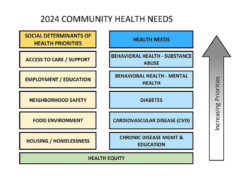
* Social Determinants of Health: Examining factors like education, employment, housing, food security, and environmental conditions reveals the broader context influencing health outcomes.
* Community Assets and Resources: Identifying existing strengths such as local organizations, community leaders, public spaces, and cultural traditions that can be leveraged for health promotion.
* Stakeholder Input: Gathering perspectives from community members, local leaders, healthcare providers, and other relevant groups ensures that the assessment is grounded in lived experiences.
* Environmental Factors: Assessing the physical environment, including air and water quality, public transportation, and access to healthy food options, which profoundly impact health.
Crafting Your Own Effective Health Promotion Needs Assessment Template
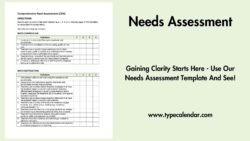
While the idea of a comprehensive needs assessment might seem daunting, a well-structured health promotion needs assessment template simplifies the process significantly. It provides a standardized framework, ensuring that you systematically cover all essential areas and gather consistent information, regardless of the specific community or health issue you are focusing on. This consistency is vital for comparing data, tracking progress, and sharing insights.
The beauty of using a template lies in its adaptability. While it offers a guiding structure, it should never be a rigid straitjacket. Instead, think of it as a customizable blueprint that you can adjust to fit the unique characteristics of your target population, the specific health concerns you are investigating, and the resources you have available. A good template prompts you to ask the right questions and consider diverse data sources, but it always leaves room for local nuance.
Developing or adapting a template involves thoughtful consideration of your objectives and the practicalities of data collection. It helps you move from abstract goals to concrete action plans, breaking down a large task into manageable steps. This structured approach not only saves time but also enhances the validity and reliability of your findings, which are crucial for advocating for resources and implementing impactful programs.
Here’s a practical sequence to guide you in using or building your own health promotion needs assessment template:
* Define Your Scope and Objectives: Clearly articulate what you want to achieve with the assessment and the boundaries of your study.
* Identify Your Target Population: Pinpoint the specific group or community whose needs you are assessing.
* Choose Your Data Collection Methods: Decide whether you will use surveys, interviews, focus groups, existing statistical data, or a combination.
* Develop Your Questionnaire or Interview Guide: Craft clear, unbiased questions that align with your objectives and components.
* Pilot Test Your Template: Test your assessment tools with a small group to identify any ambiguities or issues before full implementation.
* Analyze and Interpret Your Findings: Systematically review the collected data to identify patterns, themes, and key insights.
* Formulate Recommendations: Translate your findings into actionable suggestions for health promotion programs and policies.
By following these steps, you empower yourself to conduct thorough and insightful assessments. A robust health promotion needs assessment template is more than just a document; it’s a strategic tool that streamlines your efforts, ensures comprehensive coverage, and ultimately contributes to the development of more effective and community-centered health interventions.
Understanding the specific needs and assets of a community is not just a preliminary step; it is the continuous heartbeat of effective health promotion. By employing a systematic approach, we move beyond assumptions to actionable insights, fostering programs that genuinely resonate with the people they serve. This commitment to thorough assessment ensures that every resource, every effort, and every initiative is directed towards creating the most significant positive impact.
Ultimately, this dedication to informed action empowers communities to thrive and build healthier futures. When we start with a clear picture of reality, shaped by thoughtful data collection and community input, we lay a solid foundation for sustainable change. It’s about building programs that are not just effective, but truly transformative, helping individuals and populations achieve their fullest health potential.