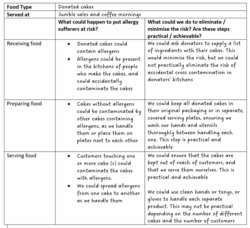
Navigating the complex world of food production means being acutely aware of every single ingredient that makes its way into your final product. From the smallest spice to the largest bulk commodity, each raw material carries its own set of potential risks, from contamination and allergens to supply chain integrity issues. Ensuring the safety and quality of food is not just a regulatory requirement; it is the absolute foundation of consumer trust and brand reputation in an increasingly scrutinized industry. Ignoring these potential pitfalls can lead to devastating consequences, both for public health and for the business itself.

This is where a systematic approach becomes indispensable. Having a well-structured food raw material risk assessment template can transform a daunting, variable task into a streamlined, consistent process. It provides a clear framework to identify, evaluate, and mitigate the various hazards associated with your ingredients before they ever reach your processing line, helping you sleep a little easier knowing you’ve taken proactive steps to protect your consumers and your business.
Why a Robust Raw Material Risk Assessment Is Non-Negotiable
In the fast-paced food industry, relying on guesswork or ad hoc checks simply isn’t an option. A robust raw material risk assessment is crucial for a multitude of reasons, beginning with the fundamental responsibility to ensure public safety. Contaminated ingredients can lead to widespread foodborne illnesses, costly recalls, and significant damage to a company’s reputation that can take years, if not decades, to rebuild. Beyond safety, consistent quality is paramount; an unexpected change in a raw material can alter the taste, texture, or shelf life of your product, disappointing customers and eroding loyalty. Moreover, regulatory bodies worldwide are increasingly demanding greater transparency and due diligence in the supply chain, making comprehensive risk assessment a compliance necessity.
The types of risks inherent in raw materials are incredibly diverse. You could be looking at biological hazards like bacteria such as Salmonella or Listeria, viruses, or parasites. Chemical risks might include pesticide residues, heavy metals, cleaning agent contamination, or the presence of undeclared allergens. Physical hazards range from foreign objects like glass or plastic shards to metal fragments or stones. Then there are the more insidious risks, such as food fraud, where ingredients are intentionally substituted, diluted, or misrepresented for economic gain, which can have both safety and quality implications. Understanding this spectrum is the first step towards effective mitigation.
Proactive assessment isn’t just about avoiding problems; it’s also about fostering continuous improvement throughout your supply chain. By regularly evaluating your raw materials and suppliers, you can identify areas for enhancement, work collaboratively with your partners to improve their practices, and ultimately build more resilient and trustworthy sourcing relationships. This isn’t a one-time exercise but an ongoing commitment to excellence that evolves with new scientific understanding, technological advancements, and shifts in global supply dynamics.
Ultimately, a standardized approach, like that offered by a well-designed food raw material risk assessment template, helps ensure that no stone is left unturned. It provides a common language and methodology for assessing risk across different materials and suppliers, allowing for more consistent decision-making and better allocation of resources to manage the highest priority risks.
Key Components You Should Look For
When you are developing or choosing a template, ensure it covers the critical areas that will provide a comprehensive overview of your raw material risks. These components are essential for a thorough and actionable assessment.
- Supplier Information and Approval: Details on the supplier, their certification status, audit history, and approval status.
- Raw Material Specification: Clear details about the ingredient, including its origin, composition, and physical chemical and microbiological criteria.
- Hazard Identification: A systematic section to identify potential biological, chemical, physical, and allergenic hazards specific to that raw material.
- Risk Likelihood and Severity Scoring: A matrix or scoring system to evaluate the probability of a hazard occurring and the potential impact if it does.
- Control Measures and Monitoring: Description of the existing controls in place by both the supplier and your facility to mitigate identified risks, along with monitoring frequencies.
- Verification and Review Procedures: Outlines how the effectiveness of control measures will be verified and the frequency at which the risk assessment will be reviewed and updated.
Building Your Own Effective Raw Material Risk Assessment Process
Creating an effective raw material risk assessment process isn’t just about filling out a form; it’s about establishing a systematic approach that integrates seamlessly into your daily operations. It requires a collaborative effort across various departments within your organization, including purchasing, quality assurance, research and development, and even production. The goal is to build a living system that not only identifies current risks but also adapts to new challenges and information. This ensures that every ingredient, regardless of its source, is subjected to a consistent and thorough scrutiny.
The initial phase involves mapping out all your raw materials and their respective suppliers. This inventory should be as detailed as possible, including specifications, country of origin, and any relevant certifications. Once you have this foundational data, you can begin the critical task of hazard identification, carefully considering the unique properties and potential vulnerabilities of each ingredient. For instance, fresh produce might pose different biological risks compared to a dry spice, and an ingredient from a high-risk region might warrant additional scrutiny regarding fraud or chemical contamination.
Crucially, an effective food raw material risk assessment template isn’t a static document; it thrives on current and historical data. This means incorporating insights from supplier audits, performance data, incident reports, and even global alerts about food safety issues. Regularly reviewing and updating your assessments based on this new information is vital for maintaining their relevance and efficacy. A supplier’s previously low-risk status might change if they have a new recall or if new scientific evidence emerges about a contaminant.
Furthermore, it’s important to remember that while a template provides structure, customization is key. Your specific products, processes, and target consumers will influence the types of risks that are most critical to your business. A template should serve as a robust starting point, offering guidance on the essential elements, but it should be flexible enough to be tailored to your unique operational context. This allows you to focus your resources where they are most needed and create a truly meaningful risk management program that reflects your company’s distinct challenges and priorities.
By consistently applying a well-thought-out raw material risk assessment, businesses can significantly reduce the likelihood of costly recalls, prevent harm to consumers, and safeguard their brand’s reputation. It also fosters stronger relationships with suppliers who understand and align with your commitment to quality and safety, leading to a more secure and transparent supply chain for everyone involved.
Developing a robust system for managing the risks associated with raw materials is more than just a regulatory checkbox; it’s a strategic investment in the longevity and integrity of any food business. By systematically identifying, assessing, and mitigating potential hazards right from the source, companies can build a foundation of trust and reliability that resonates with consumers and stakeholders alike. It empowers teams to make informed decisions and proactively protect their products.
The journey of ensuring food safety is continuous, marked by evolving scientific understanding and global supply chain complexities. Embracing structured tools and processes for raw material risk assessment ensures that businesses are not only compliant but also at the forefront of best practices, demonstrating an unwavering commitment to delivering safe, high-quality food to tables everywhere. This proactive stance not only averts potential crises but also cultivates a culture of excellence and accountability throughout the entire food production cycle.