The integrity of our food supply chain is more critical than ever, especially in a world where global sourcing and complex distribution networks are the norm. Unfortunately, this complexity also opens doors for illicit activities like food fraud, which can range from mislabeling and adulteration to outright counterfeiting. Such deceptive practices not only erode consumer trust and harm brand reputation but can also pose significant public health risks. Proactive measures are no longer just a good idea; they are an essential part of responsible business practice.

This is precisely where a robust risk management strategy comes into play. Businesses across the food industry, from farm to fork, are realizing the vital need to identify and mitigate potential vulnerabilities before they manifest as costly incidents. Developing a comprehensive approach to understanding these risks is paramount, and a well-structured food fraud vulnerability risk assessment template serves as an invaluable tool in achieving this goal, providing a systematic framework for safeguarding your products and your consumers.
Understanding Food Fraud and Its Impact
Food fraud, often driven by economic gain, involves any intentional act to deceive consumers about the quality or authenticity of food products. This can manifest in numerous ways, from the substitution of expensive ingredients with cheaper alternatives to the misrepresentation of origin, processing methods, or even organic status. It’s a pervasive issue that spans across nearly every food category imaginable, making vigilance a continuous necessity for all stakeholders.
Think about common examples that frequently hit the headlines: olive oil diluted with cheaper vegetable oils, honey adulterated with sugar syrups, or spices bulked out with non-food items. Beyond these well-known cases, there’s also the illicit repackaging of expired products, false claims about health benefits, and the fraudulent use of protected geographical indications. These acts are sophisticated and constantly evolving, requiring an equally sophisticated response from the industry.
The consequences of food fraud are far-reaching and severe. Financially, companies can suffer immense losses through product recalls, legal fees, and decreased sales due to damaged reputation. Reputational harm can be long-lasting, eroding consumer trust that takes years to rebuild. Most critically, certain types of food fraud, such as the introduction of undeclared allergens or toxic substances, can lead to serious public health crises, hospitalization, or even fatalities, underscoring the severe ethical responsibility involved in ensuring food safety.
Moving from a reactive stance, where companies respond only after a fraud incident occurs, to a proactive one is no longer optional. It’s about building resilience and foresight into your operations. This shift fundamentally relies on understanding potential weak points within your supply chain and developing strategies to fortify them. This proactive approach helps protect your brand, your customers, and your bottom line from the insidious threat of food fraud.
Key Elements of a Robust Food Fraud Assessment
- Supply Chain Mapping: Thoroughly documenting every step from raw material sourcing to the final product on the shelf, identifying all suppliers, intermediaries, and transportation routes.
- Vulnerability Identification: Pinpointing specific ingredients, processes, or geographical areas that are more susceptible to fraudulent activities based on historical data, economic drivers, and product value.
- Risk Scoring: Assigning a numerical value to identified vulnerabilities based on the likelihood of fraud occurring and the potential impact if it does, allowing for prioritization of mitigation efforts.
- Mitigation Strategy Development: Designing and implementing specific controls and interventions to reduce or eliminate identified risks, such as enhanced supplier vetting, improved testing protocols, or blockchain traceability.
Building Your Food Fraud Vulnerability Risk Assessment Template
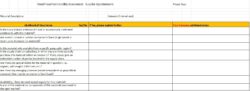
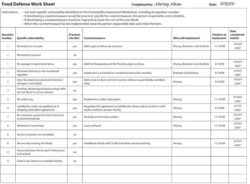
Having a standardized food fraud vulnerability risk assessment template is not just about ticking a box; it is about embedding a consistent, repeatable process into your food safety and quality management system. A template provides a structured way to gather information, analyze risks, and document decisions, ensuring that no critical aspect is overlooked. It helps standardize the evaluation process across different products, suppliers, and operational sites, making comparisons easier and driving more informed risk management decisions.
A typical template would include sections for supplier details, ingredient specifications, historical fraud data, vulnerability scores based on factors like commodity price volatility or ease of adulteration, and current control measures. It might also feature fields for proposed new controls, responsible persons, and review dates. The more detailed and tailored the template is to your specific business and supply chain, the more effective it will be in providing actionable insights into your fraud risks.
Populating this template requires a collaborative effort involving various departments, including procurement, quality assurance, research and development, and legal. It necessitates gathering data from internal records, industry intelligence reports, and direct communication with suppliers. Expert judgment also plays a crucial role in assessing qualitative factors and interpreting the significance of potential vulnerabilities, making sure that both quantitative and qualitative insights inform the assessment.
Ultimately, a well-implemented food fraud vulnerability risk assessment template empowers organizations to systematically identify, evaluate, and prioritize their exposure to fraud. It moves them beyond anecdotal evidence or general concerns to a data-driven, strategic approach. By clearly outlining potential threats and the steps needed to counteract them, companies can allocate resources more effectively, strengthen their supply chain resilience, and demonstrate due diligence to regulators and consumers alike.
Steps to Implement Your Template
- Gather your team: Assemble a cross-functional group with diverse expertise from across your organization.
- Define your scope: Clearly identify which products, ingredients, or supply chains will be assessed in each iteration.
- Collect data: Compile all relevant information on suppliers, ingredients, historical incidents, and market intelligence.
- Assess vulnerabilities: Systematically go through your template, scoring risks based on established criteria for likelihood and impact.
- Develop controls: Propose and plan specific mitigation strategies for high-risk areas identified in the assessment.
- Regularly review and update: Food fraud risks are dynamic; schedule periodic reviews (e.g., annually, or upon significant supply chain changes) to keep your template current.
Maintaining trust in the food industry hinges on unwavering commitment to product integrity and consumer safety. By embracing a proactive stance against food fraud, businesses not only protect their bottom line but also uphold their ethical obligations. The continuous vigilance required to stay ahead of fraudulent practices necessitates robust systems and consistent methodologies for risk assessment.
Implementing a well-designed framework for identifying and mitigating food fraud vulnerabilities stands as a cornerstone of modern food safety management. It’s an ongoing journey of improvement and adaptation, one that ultimately strengthens the entire food system, safeguarding public health and preserving the invaluable trust consumers place in the brands they choose.