Ensuring the safety of residents and visitors in shared spaces is a responsibility that can feel quite daunting. Communal areas, by their very nature, present unique challenges when it comes to fire safety, given the varied use, diverse occupants, and potential for multiple ignition sources or fuel loads. From apartment building hallways and stairwells to shared lounges and utility rooms, understanding the specific risks is the first crucial step towards preventing a tragedy. It’s not just about ticking a box; it’s about genuinely protecting lives and property.

This is precisely where a structured approach becomes invaluable. Instead of guessing or overlooking critical details, a well-designed fire risk assessment template for communal areas provides a clear framework. It guides you through the necessary steps, helps you identify potential hazards, evaluate risks, and establish effective control measures. Think of it as your roadmap to peace of mind, ensuring that you’re systematically addressing every aspect of fire safety in your shared living or working environment.
Understanding the Core Elements of a Fire Risk Assessment
When we talk about a fire risk assessment, especially in communal settings, we’re essentially looking at a systematic process designed to ensure the safety of everyone who uses or passes through these spaces. It’s about much more than just having a fire extinguisher on the wall; it involves a deep dive into the environment to uncover potential dangers before they can cause harm. This includes everything from electrical wiring and heating systems to storage practices and the evacuation routes available to residents.
The primary goal is to identify fire hazards – anything that could start a fire or help it spread – and then to figure out who might be at risk. This is particularly important in communal areas where vulnerable individuals like the elderly, young children, or those with mobility issues might be present. Once these factors are understood, the next step is to evaluate the existing fire safety measures and determine if they are adequate or if further actions are needed to reduce or eliminate the risks.
Key Steps to a Thorough Assessment
- Identify Fire Hazards: Look for sources of ignition (heaters, cooking equipment, faulty wiring), sources of fuel (waste, furniture, stored items), and sources of oxygen (good ventilation).
- Identify People at Risk: Consider who uses the communal areas, paying special attention to vulnerable individuals who might struggle to escape quickly.
- Evaluate, Remove, or Reduce the Risk: Can you get rid of the hazard entirely? If not, how can you reduce the risk? This might involve improving maintenance, changing storage habits, or installing better detection systems.
- Record Your Findings, Plan, and Inform: Document everything you’ve found and the actions you plan to take. Make sure this information is accessible and communicated to relevant parties.
- Review and Revise: Fire safety is not a one-off task. Risks can change, so regular reviews are essential to keep the assessment up-to-date.
Recording your findings isn’t just a bureaucratic step; it’s a vital part of demonstrating due diligence and creating an actionable plan. This record should detail the identified hazards, the people at risk, the existing control measures, and any further actions required to reduce the risk to an acceptable level. It also serves as a crucial reference point for future reviews and ensures continuity, even if personnel change.
Ultimately, conducting a thorough fire risk assessment for communal areas isn’t just good practice; it’s often a legal requirement. It underpins all other fire safety measures and ensures that you are proactively managing the risks, thereby providing a safer environment for everyone.
Crafting Your Own Effective Fire Risk Assessment Template for Communal Areas
Having a bespoke fire risk assessment template for communal areas is incredibly powerful because it allows you to tailor the assessment directly to the unique characteristics and challenges of your specific property. Generic checklists might cover the basics, but a customized template can incorporate site-specific details, previous incident history, and the particular needs of your building’s occupants. It transforms a general guideline into a practical, actionable tool that resonates with your situation.
The beauty of a well-designed template is its ability to ensure consistency and thoroughness. It acts as a prompt, making sure no critical aspect is overlooked, regardless of who is conducting the assessment. This structure is particularly helpful for those who may not be fire safety experts, guiding them through a logical process that covers all the necessary ground, from identifying fire doors to checking emergency lighting functionality.
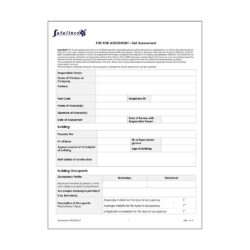
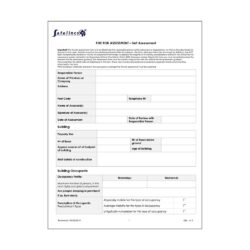
When you’re building or adapting a template, consider essential sections that will make it comprehensive. Beyond the basics of identifying hazards and people at risk, think about areas for recording details of fire safety equipment (extinguishers, alarms), escape routes, emergency lighting, and fire signage. Include sections for recording training details, maintenance schedules for fire safety systems, and a clear action plan for any deficiencies found, complete with responsible persons and target completion dates.
Remember, the most effective fire risk assessment template for communal areas isn’t just a static document; it’s a living one. It should be easy to update, clear in its language, and facilitate the recording of changes and reviews. The goal is to create a template that not only helps you identify risks but also empowers you to manage them proactively, ensuring continuous improvement in fire safety standards.
- Details of the Premises: Include address, type of communal area, and contact information.
- Identification of Fire Hazards: List potential ignition sources, fuel sources, and specific risks like stored items in escape routes.
- Identification of Persons at Risk: Consider residents, staff, visitors, and specific vulnerabilities.
- Evaluation of Risks and Existing Control Measures: Document current fire safety provisions and assess their effectiveness.
- Action Plan for Further Measures: Clearly define what needs to be done, by whom, and by when.
- Emergency Procedures and Training: Detail evacuation plans, assembly points, and staff training.
- Review Date: Crucial for ensuring the assessment remains current and relevant.
Taking the initiative to complete or regularly update a fire risk assessment for communal areas is a cornerstone of responsible property management. It provides a structured way to identify, evaluate, and mitigate fire risks, fostering a safer environment for everyone involved. This proactive stance not only helps to meet legal obligations but also cultivates a culture of safety that benefits the entire community.
By diligently working through each step and maintaining an up-to-date record, you are building a robust defense against fire incidents. This ongoing commitment to fire safety ensures that communal areas remain secure spaces, allowing occupants to live and work with greater peace of mind.