Running a farm in the UK is a rewarding but undoubtedly demanding endeavour, filled with unique challenges that differ significantly from other industries. From operating heavy machinery to handling livestock, working at heights, and managing unpredictable weather, the potential for accidents and injuries is ever-present. This makes understanding and mitigating risks not just good practice, but an absolute necessity for the safety of everyone involved and the continued success of your agricultural business.

That’s where a comprehensive risk assessment comes into play. It’s your proactive shield, designed to identify potential dangers before they lead to harm. Specifically, having a well-structured farm risk assessment template UK farmers can rely on ensures you cover all your bases, comply with legal requirements, and create a safer environment for yourself, your employees, and even visitors. It’s about taking control of the risks rather than letting them control you.
Understanding Why a Farm Risk Assessment is Crucial
In the United Kingdom, farm safety isn’t merely a suggestion; it’s a legal obligation. The Health and Safety at Work etc. Act 1974, along with specific regulations like the Management of Health and Safety at Work Regulations 1999, requires employers to assess risks and take steps to protect their workforce. For farm owners, this means systematically identifying potential hazards on your land, deciding who might be harmed and how, and then implementing measures to prevent those harms.
The nature of farming means you’re dealing with a broad spectrum of risks. Think about the powerful machinery like tractors, combine harvesters, and ATVs, each posing a significant danger if not operated or maintained correctly. Then there’s the unpredictability of livestock, from large cattle to boisterous sheep, which can cause injury through kicks, crushes, or charges. Add to this the handling of various chemicals such as pesticides and fertilisers, working in confined spaces, at height on barns or silos, and the ever-present environmental factors like slippery surfaces, poor visibility, or extreme weather conditions.
Proactively assessing these risks isn’t just about avoiding penalties; it’s about preventing life-altering accidents and costly incidents. A serious injury can lead to significant financial losses due to lost working days, increased insurance premiums, potential legal action, and damage to your farm’s reputation. More importantly, it can cause immense personal suffering to individuals and their families. A thorough risk assessment helps you stay one step ahead, ensuring your operations are not only productive but also genuinely safe. It really is about embedding safety into the very fabric of your daily farm life, reflecting the unique challenges faced in a UK agricultural setting.
Key Areas to Consider in Your Assessment
- Machinery and Equipment Safety
- Livestock Handling and Welfare
- Chemical Storage and Application
- Working at Height and Confined Spaces
- Lone Working Procedures
- Fire Safety and Emergency Planning
These areas, among others, form the backbone of any effective farm safety strategy, highlighting where your attention should be focused to minimise potential harm.
Navigating the Process with a Farm Risk Assessment Template UK
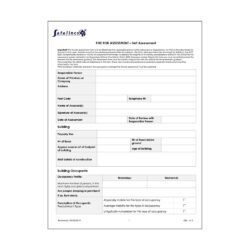
When it comes to putting a risk assessment into practice, having a structured framework makes all the difference. A robust farm risk assessment template UK specific will guide you through each necessary step, ensuring that no stone is left unturned. It moves you beyond simply acknowledging dangers to actively recording, evaluating, and planning mitigation strategies, ultimately simplifying what can seem like a daunting task.
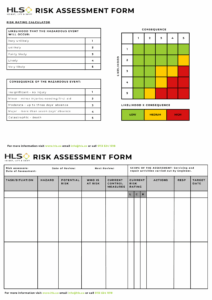
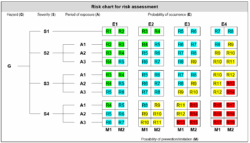
The process typically begins with identifying all potential hazards – anything that could cause harm. Next, you need to think about who might be harmed by these hazards, and how. This includes not just your employees, but also family members, contractors, visitors, and even children. Once identified, you’ll evaluate the risks: considering both the likelihood of harm occurring and the severity of that harm. This helps you prioritise which risks need immediate attention and which can be managed over time.
A good template then prompts you to record your findings, detailing the hazards, the people at risk, what you’re already doing to control the risks, and what further actions are needed. It’s essential to involve your workers in this process, as they often have firsthand knowledge of daily operations and potential dangers that might not be obvious from an office perspective. Don’t rush through it; take your time to be thorough and realistic.
Finally, a farm risk assessment is not a one-off task. It’s a living document that needs regular review and updates, especially if there are significant changes to your farm’s operations, new equipment is introduced, or if an incident occurs. Regularly reviewing your assessments ensures they remain relevant and effective, reflecting the evolving nature of your farm activities. This continuous improvement cycle is vital for maintaining a high standard of health and safety.
Benefits of using a structured template
- Ensures comprehensive coverage of all potential risks
- Simplifies the documentation process for legal compliance
- Aids in identifying and prioritising control measures
- Facilitates ongoing review and updates to your safety procedures
- Promotes a proactive, safety-first culture across the farm
By following a clear structure and leveraging a good **farm risk assessment template UK**, you empower yourself to manage safety efficiently and effectively, securing the well-being of everyone on your land.
Implementing a thorough risk assessment on your farm is a foundational element of responsible agricultural management. It’s not just about ticking a box for legal compliance; it’s about fostering a culture where safety is paramount, ensuring that everyone who steps onto your land is protected from preventable harm. By systematically identifying, evaluating, and mitigating risks, you safeguard not only lives but also the continuity and reputation of your farming enterprise.
Embracing this proactive approach means you’re investing in the future of your farm, creating a more secure and resilient environment for years to come. It allows you to address potential issues before they escalate, providing peace of mind and demonstrating a genuine commitment to the welfare of your team and community.