As a landlord, you carry a significant responsibility to ensure the safety and well-being of your tenants. Among the many hats you wear, safeguarding against fire is undeniably one of the most critical. It’s not just about protecting your investment; it’s fundamentally about protecting lives. While the thought of a fire risk assessment might seem daunting, it’s a crucial step in maintaining a safe environment and fulfilling your legal obligations.
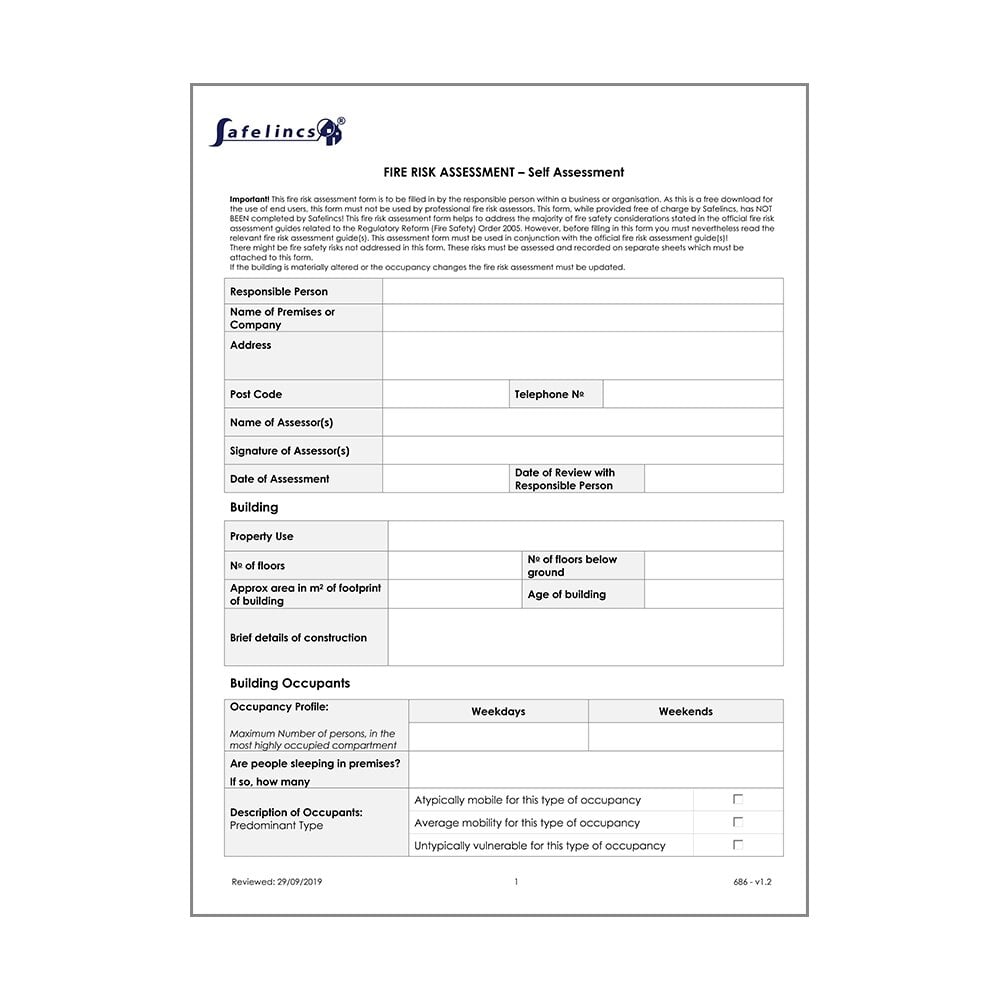
Navigating the nuances of fire safety regulations can feel complex, but having a structured approach can simplify the process immensely. This is where a well-designed landlord fire risk assessment template becomes an invaluable tool. It acts as your guide, ensuring you cover all necessary bases systematically, giving you peace of mind and helping you demonstrate due diligence should the unthinkable ever occur.
Understanding Your Legal Obligations as a Landlord
Every landlord has a legal duty to ensure the safety of their tenants from fire. This isn’t merely a suggestion; it’s a legal requirement, often rooted in legislation like the Regulatory Reform (Fire Safety) Order 2005 in the UK, or similar housing standards and fire safety laws in other regions. Your primary responsibility is to identify potential fire hazards within your property and take reasonable steps to mitigate those risks. This duty extends to all residential properties you manage, regardless of whether it’s a single-family home or a multi-occupancy dwelling with communal areas.
A fire risk assessment is essentially a thorough look at your property to identify anything that could cause a fire, or anything that could put people at risk in the event of a fire. It’s a proactive measure designed to prevent fires and ensure that if one does occur, tenants can escape safely. This assessment isn’t just a tick-box exercise; it requires a thoughtful evaluation of your property’s specific characteristics and the people living within it. It culminates in a written record of your findings and, crucially, a plan for action to improve fire safety.
The process involves several key steps: identifying fire hazards, identifying people at risk, evaluating those risks, recording your findings, and then implementing and reviewing your actions. It sounds like a lot, but a good framework can break it down into manageable segments. For communal areas in particular, a more rigorous approach may be necessary, involving professional fire risk assessors. However, for many smaller properties, you can often conduct a suitable assessment yourself with the right guidance.
Key Areas to Consider During Your Assessment
When you embark on your fire risk assessment, you’ll need to meticulously examine various aspects of your property. Think of it as a detailed checklist that helps ensure no stone is left unturned. This comprehensive approach is vital for creating a robust fire safety strategy tailored to your specific premises and tenants.
Consider these critical areas during your evaluation:
- **Means of Escape:** Are escape routes clear and unobstructed at all times? Can tenants open all doors and windows leading to an exit without a key? Is there adequate escape lighting in communal areas?
- **Fire Detection and Warning Systems:** Are working smoke alarms installed on every floor and in relevant rooms, like the living room? Are carbon monoxide alarms present where solid fuel burning appliances are used? Are they regularly tested and maintained?
- **Firefighting Equipment:** Are appropriate fire extinguishers and fire blankets available in communal areas, or specified locations if applicable (e.g., kitchens in HMOs)? Are they regularly serviced?
- **Fire Safety Signs and Notices:** Are clear fire escape signs, fire action notices, and “no smoking” signs (if applicable) displayed prominently, especially in communal areas or HMOs?
- **Sources of Ignition:** What could start a fire? This includes electrical appliances, overloaded sockets, heating systems, cooking equipment, and open flames.
- **Sources of Fuel:** What could burn? Furniture, curtains, stored items, and waste materials all contribute to fire load.
- **People at Risk:** Who is particularly vulnerable? Elderly tenants, those with mobility issues, or children may require special consideration in your escape plan.
- **Maintenance and Testing Schedules:** Are all fire safety systems regularly checked, serviced, and recorded?
Remember, this isn’t a one-and-done task. Your fire risk assessment needs to be reviewed regularly, especially if there are changes to the property, new tenants, or new appliances introduced.
Creating Your Own Landlord Fire Risk Assessment Template
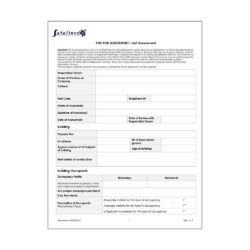
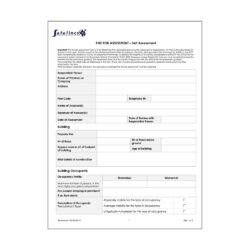
The beauty of a structured landlord fire risk assessment template lies in its ability to guide you through a complex process with clarity and consistency. While you can certainly find generic templates online, understanding the core components allows you to adapt or even create one that perfectly suits your specific properties. A good template ensures you’re not missing crucial steps, and it provides a clear, documented record of your efforts, which is invaluable for compliance and peace of mind.
A template should act as your roadmap, breaking down the assessment into logical, manageable sections. It helps you systematically identify potential hazards, evaluate the risks they pose, and most importantly, document the actions you’ll take to mitigate those risks. This systematic approach isn’t just about ticking boxes; it’s about fostering a genuinely safer living environment for your tenants.
Here are the essential elements your landlord fire risk assessment template should incorporate:
- **Property Details:** Address, type of property (e.g., flat, house, HMO), number of floors, and a brief description.
- **Assessment Details:** Date of assessment, name of assessor, and date of next planned review.
- **Identification of Fire Hazards:** A list of potential ignition sources (e.g., electrical systems, heating, cooking, smoking) and fuel sources (e.g., furniture, stored items, waste).
- **Identification of People at Risk:** Details about tenants, visitors, and any specific vulnerabilities (e.g., mobility issues).
- **Evaluation of Risks:** A section to assess the likelihood of a fire occurring and the potential severity of harm.
- **Existing Fire Safety Measures:** Document all current fire safety provisions, such as smoke alarms, escape routes, fire doors, and extinguishers.
- **Actions Required:** This is critical. A clear, itemised list of what needs to be done to reduce or eliminate identified risks. Each action should have an assigned responsible person and a target completion date.
- **Record of Review:** Space to note subsequent review dates and any changes made.
When detailing the "Actions Required" section, be as specific as possible. Instead of just writing "check smoke alarms," specify "replace non-working smoke alarm in living room by [date]." This level of detail makes the template an actionable document rather than just a passive record. It empowers you to track progress and ensure that all necessary improvements are made in a timely fashion. This structured approach helps transform potential risks into resolved issues, bolstering the overall safety of your property.
By consistently utilising a comprehensive landlord fire risk assessment template, you’re not just complying with regulations; you’re actively contributing to a safer community. It empowers you to systematically identify and address potential dangers, fostering a secure environment that both protects your property and, more importantly, the individuals who call it home. This proactive stance cultivates a greater sense of security for everyone involved.