Ensuring the safety of everyone in a building is a paramount responsibility, whether you are a business owner, a facility manager, or even a landlord. We often think about the immediate dangers, but a comprehensive approach to fire safety is about preventing incidents and ensuring that if something does happen, the systems in place work exactly as they should. This isn’t just about ticking boxes; it’s about protecting lives and property, and it starts with understanding your risks.
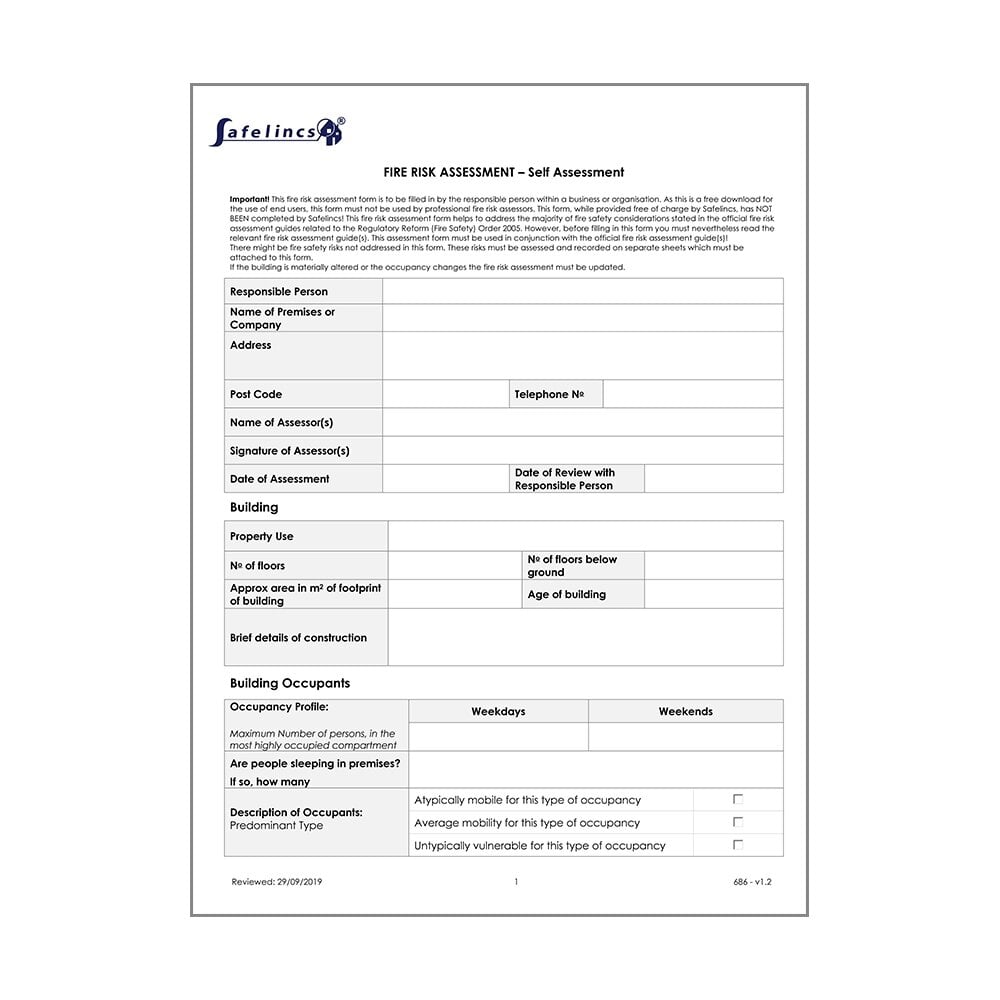
One of the most critical components of any robust fire safety strategy is the fire alarm system. It’s the voice that alerts everyone to danger, giving them precious time to evacuate. But how do you know your fire alarm system is truly effective and compliant? That’s where a structured approach, like using a dedicated fire alarm risk assessment template, becomes incredibly valuable. It helps you systematically evaluate your setup, identify potential weaknesses, and ensure continuous readiness.
Why a Fire Alarm Risk Assessment is Absolutely Essential
When it comes to fire safety, there’s no room for guesswork. Legislation in most regions mandates that duty holders conduct regular fire risk assessments to identify hazards and risks, and implement measures to reduce or eliminate them. Your fire alarm system is a cornerstone of these measures, and its effectiveness directly impacts the safety of everyone within the building. Failing to properly assess its functionality and suitability isn’t just a legal oversight; it’s a grave endangerment.
A thorough risk assessment involves more than just a quick visual check. It requires a deep dive into the specifics of your premises, the people who occupy it, the potential ignition sources, and the existing fire safety provisions. For fire alarms, this means evaluating everything from detector placement and audibility to power supply reliability and the effectiveness of your alarm activation procedures. It’s about understanding the entire lifecycle and operational readiness of your system.
What makes a fire alarm risk assessment unique is its focus on the early warning system itself. It’s not just about fire prevention, but about detection and notification. Are your detectors appropriate for the environment? Is the alarm sound clearly audible in all areas, even for those with hearing impairments? Can everyone understand what to do when the alarm sounds? These are the kinds of specific questions that demand careful consideration to ensure your system performs optimally under pressure.
This is precisely where a fire alarm risk assessment template proves invaluable. It provides a methodical framework, guiding you through each critical aspect of your fire alarm system. Instead of starting from scratch, you have a pre-defined structure that ensures no vital detail is overlooked, helping you maintain compliance and, most importantly, provide a safe environment for everyone.
Key Steps in Your Assessment Journey
- Identify all potential fire hazards, including those that might affect your alarm system.
- Identify the people at risk, paying special attention to vulnerable individuals.
- Evaluate the risks, considering the likelihood of a fire and the potential severity of harm.
- Record your findings and create an action plan to mitigate identified risks.
- Review and revise your assessment regularly, especially after any changes to the building or system.
What to Look For in a Comprehensive Fire Alarm Risk Assessment Template
Choosing the right fire alarm risk assessment template can significantly streamline your safety management processes. A good template isn’t just a checklist; it’s a comprehensive tool designed to prompt critical thinking and ensure all relevant aspects of your fire alarm system are considered. It should be user-friendly, allowing you to easily input data and track progress, while also being detailed enough to meet regulatory requirements and best practices. Think of it as your roadmap to ensuring fire alarm excellence.
An effective template will guide you through various sections, starting with basic information about your premises and the type of fire alarm system installed. It should then delve into specifics, such as the location and type of detectors (smoke, heat, multi-sensor), manual call points, and alarm sounders. Crucially, it needs to include sections for recording maintenance schedules, testing logs, and any reported faults or activations. This historical data is vital for demonstrating ongoing compliance and identifying recurring issues.
Beyond the technical details, a strong fire alarm risk assessment template should also prompt you to consider the human element. This includes reviewing staff training on fire alarm procedures, designated responsible persons, and emergency evacuation plans. It should encourage you to assess the effectiveness of communication channels during an alarm and ensure that everyone understands their role in the event of a fire. The best templates offer flexibility, allowing you to customize sections to perfectly match your unique building and operational needs.
Ultimately, the aim of using a detailed template is to move beyond mere compliance to genuine safety assurance. By systematically working through each section, you’re not just documenting; you’re actively scrutinizing and improving your fire alarm system’s readiness. Regular use of such a template becomes a cornerstone of your proactive fire safety management, helping you to identify potential weaknesses before they become critical failures and ensuring your system is always ready to protect lives.
- System Type and Location: Detail the specific system installed and where it covers.
- Detection Zones: Clearly map out the areas covered by different detectors.
- Maintenance Schedule: Log all planned and completed servicing and inspections.
- Testing Procedures: Document routine tests, including dates, results, and who performed them.
- Emergency Contacts: Keep vital contact information for fire services and maintenance providers.
- Training Records: Track who has been trained on alarm procedures and when.
Taking a proactive stance on fire safety isn’t just a good idea; it’s a fundamental responsibility that safeguards lives and assets. Utilizing a well-structured fire alarm risk assessment template empowers you to meticulously review your fire alarm systems, ensuring they are not only compliant with regulations but also genuinely effective in an emergency. This systematic approach transforms what could be an overwhelming task into a manageable and actionable process, offering peace of mind that your detection and alert systems are robust and ready.
By regularly revisiting and updating your fire alarm risk assessment, you establish an ongoing commitment to safety that adapts as your environment or regulations change. It’s an essential tool in your fire safety toolkit, providing a clear path to identifying vulnerabilities, implementing improvements, and maintaining a high standard of protection for everyone who steps foot into your building. Make sure your fire alarm systems are never left to chance.