Compressed air is an incredibly versatile and widely used utility in countless industries, powering everything from manufacturing equipment to pneumatic tools. It’s often seen as a harmless, everyday commodity, but beneath its apparent simplicity lies a powerful force that, if not properly managed, can pose significant safety risks to personnel and equipment alike. Understanding these potential dangers is not just good practice; it’s a critical component of maintaining a safe and efficient work environment.

Ignoring the inherent hazards of compressed air systems can lead to serious accidents, ranging from minor injuries to fatalities, as well as costly damage to property and production downtime. That’s why a systematic approach to identifying, evaluating, and controlling these risks is absolutely essential. A well-structured framework, like a comprehensive compressed air risk assessment template, provides the necessary guide to navigate these complexities and ensure everyone goes home safely at the end of the day.
Understanding the Importance of Risk Assessment for Compressed Air Systems
Engaging with compressed air systems without a thorough understanding of their potential hazards is akin to driving a car blindfolded. The high pressures involved can turn minor flaws into explosive ruptures, capable of propelling objects at dangerous speeds or causing severe body trauma. Beyond the obvious physical impact of high-pressure releases, the noise generated by air tools and leaks can contribute to long-term hearing damage, an often-overlooked but pervasive occupational health concern.
Furthermore, compressed air systems present a range of other less obvious, but equally serious, dangers. Air lines can be incredibly hot or cold, leading to burns or frostbite upon contact. The air itself, if not properly filtered, can contain contaminants such as oil mist, dust, or moisture, which can be inhaled, causing respiratory problems, or introduced into sensitive processes, leading to product contamination or equipment failure. Electrical hazards from compressor units and the ergonomic strain from repeatedly using pneumatic tools also add layers of risk that must be addressed.
From a regulatory standpoint, many jurisdictions mandate that businesses conduct risk assessments for all significant workplace hazards, and compressed air systems certainly fall into this category. Beyond mere compliance, however, there’s a profound ethical responsibility to protect employees from foreseeable harm. Proactive risk management, rather than reactive incident response, safeguards lives, maintains morale, and prevents the significant financial and reputational costs associated with accidents. It ensures that operations run smoothly and safely.
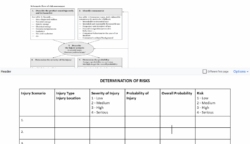
This is precisely where a structured tool like a compressed air risk assessment template becomes invaluable. It provides a systematic pathway to uncover these hidden dangers, ensuring that no stone is left unturned in your pursuit of a safer workplace. It transforms a daunting task into a manageable process, breaking down the assessment into logical steps and prompting considerations that might otherwise be overlooked in a less organized approach.
Key Elements a Robust Template Should Cover
- Comprehensive identification of all compressed air system components, including compressors, receivers, pipework, hoses, fittings, and end-use tools.
- Detailed hazard identification for each component and every task involving compressed air, from routine maintenance to operational use.
- Thorough risk evaluation, assessing the likelihood of harm occurring and the potential severity of that harm.
- Development and documentation of appropriate control measures, following the hierarchy of controls (elimination, substitution, engineering, administrative, personal protective equipment).
- Establishment of clear procedures for regular review, monitoring, and updating of the assessment to reflect changes in equipment, processes, or regulations.
Building Your Effective Compressed Air Risk Assessment
Embarking on the journey of a compressed air risk assessment, even with the aid of a template, requires a methodical approach and the involvement of various stakeholders. It’s not just a paperwork exercise; it’s a live process that begins with planning and extends through implementation and ongoing review. The first step involves gathering a diverse team, including operators, maintenance staff, safety officers, and anyone with practical experience or knowledge of the compressed air system. Their collective insights will be crucial in identifying a broader spectrum of potential issues.
Once your team is assembled, the critical task of identifying hazards begins. This goes beyond a simple visual inspection. It involves walk-throughs of the facility, observing how compressed air is used in daily operations, and actively soliciting feedback from employees about any concerns or near misses they’ve experienced. Look at past incident reports, even minor ones, as these often reveal underlying risks that need addressing. Consider every interaction with the system, from connecting a hose to operating a pneumatic press, and think about what could go wrong at each stage.
After identifying all potential hazards, the next phase involves evaluating the risks associated with each. This means determining how likely it is for a hazard to cause harm and how severe that harm could be. With this understanding, you can prioritize risks and develop effective control measures. The hierarchy of controls should always be your guiding principle: aim to eliminate the hazard first, if possible, then substitute it with something less hazardous, implement engineering controls (like guards or ventilation), follow with administrative controls (safe work procedures, training), and finally, provide appropriate personal protective equipment (PPE). For instance, replacing worn hoses (elimination) or installing automatic shut-off valves (engineering control) are far more effective than simply relying on someone to wear safety glasses (PPE).
Remember, a compressed air risk assessment is not a one-time project to be filed away and forgotten. It’s an ongoing, dynamic process that requires regular review and updates. Any changes to equipment, processes, or regulations necessitate a re-evaluation of the risks. Training employees on the identified hazards and the implemented control measures is also vital; a control is only effective if people know it exists and understand how to use it correctly. This continuous cycle of assessment, control, and review ensures that your workplace remains safe and compliant, reflecting the evolving nature of your operations.
Taking proactive steps to manage the risks associated with compressed air systems is a testament to an organization’s commitment to safety and operational excellence. By utilizing a structured approach, like a robust compressed air risk assessment template, businesses can systematically identify hazards, implement effective controls, and create a safer working environment for everyone.
Embracing this methodical approach empowers companies to not only meet their legal obligations but also cultivate a strong safety culture where incidents are minimized, productivity is enhanced, and the well-being of every employee is prioritized. It transforms a complex challenge into an achievable goal, ensuring that the power of compressed air is harnessed safely and efficiently.