Ensuring the safety of products brought to market is not just a regulatory requirement; it’s a fundamental commitment to consumers and a cornerstone of brand reputation. In today’s fast-paced commercial landscape, where innovation is constant, the potential for unforeseen risks can be daunting. From children’s toys to sophisticated electronics, every item has a unique risk profile that demands careful consideration and proactive management.
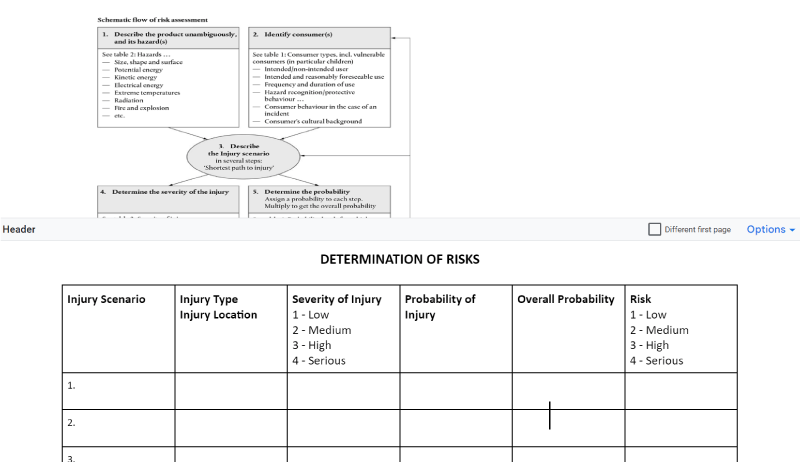
Navigating this complex terrain effectively requires more than just good intentions. It calls for a structured, systematic approach to identify, evaluate, and mitigate potential hazards before they escalate into serious problems. This is where a robust framework for assessing product safety risks becomes indispensable, helping businesses maintain compliance, build trust, and ultimately, deliver products that are both innovative and secure for everyday use.
Understanding the Core Elements of Product Safety Risk Assessment
A comprehensive product safety risk assessment is a systematic process designed to identify potential hazards associated with a product, evaluate the risks these hazards pose, and then determine the most effective ways to eliminate or control those risks. This vital exercise should ideally be conducted at various stages of a product’s lifecycle, from initial design and development through to manufacturing, distribution, and even post-market surveillance. It helps organizations proactively address safety concerns, ensuring that products are safe for their intended use and any reasonably foreseeable misuse.
The journey of risk assessment typically involves several key steps. It begins with a thorough understanding of the product itself, its components, its intended use, and the environment in which it will be used. This foundational knowledge then informs the subsequent stages of hazard identification, risk analysis, risk evaluation, and the implementation of appropriate control measures. Each step is critical in building a complete picture of the product’s safety profile and guiding informed decision-making.
Identifying Potential Hazards
The first critical step is to pinpoint anything inherent in the product or its use that could cause harm. This requires a broad perspective, considering not only obvious dangers but also less apparent ones. Hazards can manifest in many forms, and a detailed examination helps ensure nothing is overlooked. For instance, an electronic device might have electrical hazards, while a food product could present biological or allergenic risks. A good risk assessment considers the full spectrum of possibilities.
- Mechanical hazards such as sharp edges, pinch points, or unstable structures
- Electrical hazards including shock, short circuits, or overheating
- Chemical hazards like toxic substances, irritants, or flammables
- Thermal hazards such as extreme temperatures or burns
- Biological hazards like bacteria, mold, or allergens, especially in food or cosmetic products
- Usability hazards stemming from unclear instructions, complex interfaces, or misleading warnings
Assessing Risks and Their Likelihood
Once hazards are identified, the next step is to evaluate the risk associated with each. Risk is typically defined as the combination of the likelihood of harm occurring and the severity of that harm. This stage involves asking how often a hazard might lead to an incident and how severe the consequences would be if it did. A low-likelihood, high-severity event might warrant different attention than a high-likelihood, low-severity one. This analysis often involves historical data, expert judgment, and sometimes even testing to estimate probabilities and potential impact.
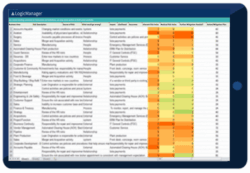
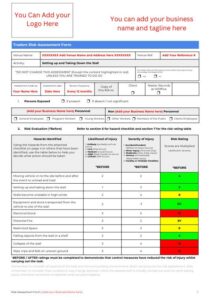
Many organizations utilize a risk matrix to help visualize and prioritize risks. This matrix typically plots likelihood against severity, allowing for a clear categorization of high, medium, and low risks. Understanding the current level of risk, even with existing safeguards in place, is crucial before moving on to consider further control measures. This systematic approach ensures that resources are allocated effectively to address the most significant dangers first.
Implementing Control Measures
After assessing the risks, the focus shifts to reducing them to an acceptable level. This involves designing and implementing specific control measures. The hierarchy of controls usually guides this process, prioritizing elimination of the hazard, then substitution, engineering controls, administrative controls, and finally, personal protective equipment. For a product, this might mean redesigning a component to remove a sharp edge, substituting a toxic material with a safer alternative, or adding robust warning labels and detailed instructions. The effectiveness of these controls must also be evaluated to ensure they genuinely mitigate the identified risks. This thorough process, documented meticulously within a product safety risk assessment template, ensures a consistent and traceable approach to safety management.
Practical Steps to Building Your Product Safety Risk Assessment Template
Translating the theoretical framework of product safety into a practical, actionable tool is essential for any business serious about compliance and consumer protection. A well-designed product safety risk assessment template isn’t just a document; it’s a living instrument that guides decision-making, fosters a culture of safety, and ensures consistency across different product lines and development cycles. It provides a structured way to capture all the necessary information, from initial hazard identification to final risk acceptance, making the entire process transparent and auditable.
The journey to creating an effective template begins with understanding its purpose and the specific needs of your organization. It should be comprehensive enough to cover all relevant aspects of product safety but also flexible enough to adapt to various product types and evolving regulations. The goal is to create a user-friendly tool that encourages thoroughness without becoming overly cumbersome. This practical approach ensures that safety assessments are not seen as a bureaucratic hurdle, but as an integrated and valuable part of product development.
Structuring Your Template
The core of any effective product safety risk assessment template lies in its structure. It needs clearly defined sections that prompt users to consider all angles of potential risk. A good template will guide the assessor through a logical flow, ensuring no critical step is missed. Think about what information needs to be captured at each stage of the risk assessment process, from the initial description of the product to the final sign-off.
- Product identification details (name, model, intended use, target users)
- Hazard identification checklist (categorizing potential dangers)
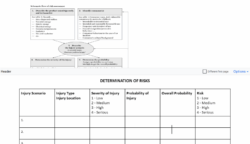
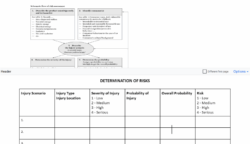
- Risk analysis section (likelihood, severity, existing controls, initial risk level)
- Risk evaluation criteria (determining if the initial risk is acceptable)
- Risk control measures (proposed actions, assigned responsibilities, implementation deadlines)
- Residual risk assessment (re-evaluating risk after controls are in place)
- Review and approval signatures (demonstrating management oversight)
Once you have the structure defined, it’s crucial to populate your product safety risk assessment template with clear instructions and examples. Don’t leave sections open to interpretation. Provide guidance on how to define likelihood and severity, what types of control measures are typically effective, and how to document findings clearly. This ensures that different individuals or teams using the template will generate consistent and comparable assessments, reducing variability and improving the overall quality of your safety evaluations. Regular training on how to use the template effectively will further enhance its utility.
Finally, remember that a product safety risk assessment template is not a static document. It should be periodically reviewed and updated to reflect new product developments, changes in regulatory requirements, feedback from product use, or advancements in risk assessment methodologies. Establishing a review cycle and assigning ownership for template maintenance will ensure its continued relevance and effectiveness, allowing it to remain a central pillar in your ongoing commitment to product safety.
Embracing a systematic approach to product safety isn’t just about avoiding legal repercussions or maintaining compliance; it’s about building trust and safeguarding lives. By diligently identifying potential hazards, meticulously assessing risks, and proactively implementing control measures, companies demonstrate a profound commitment to their customers’ well-being. This dedication not only protects consumers but also fortifies a brand’s reputation, fostering loyalty and sustainable growth in a competitive marketplace.
The continuous journey of bringing safe products to the world is empowered by robust processes and reliable tools. Adopting a well-defined framework ensures that safety is ingrained in every stage, from concept to consumption. It transforms a complex challenge into a manageable task, allowing innovation to flourish responsibly and securely, ultimately benefiting everyone involved.