Organizing a community event, whether it’s a local festival, a charity run, or a neighborhood gathering, is an exciting endeavor that brings people together and strengthens local bonds. You pour your heart and soul into planning every detail, from securing the perfect venue to arranging entertainment and catering. However, amidst all the excitement, there’s a crucial aspect that often gets overlooked or rushed: ensuring the safety and well-being of everyone involved. This is where proactive planning becomes your best friend, transforming potential worries into manageable considerations.

Thinking ahead about what could go wrong isn’t about being pessimistic; it’s about being responsible and prepared. Unforeseen circumstances, from minor hiccups to serious incidents, can quickly turn a joyful occasion into a stressful situation. By taking the time to identify potential risks and develop mitigation strategies, you safeguard not only your attendees but also your volunteers, organizers, and the reputation of your event. It’s all about creating a secure environment where everyone can relax and enjoy the fruits of your hard work, and a robust community event risk assessment template is the perfect tool to guide you.
Why Proactive Risk Management is Indispensable for Your Event
Every community event, regardless of its size or scope, carries inherent risks. Imagine a sudden downpour at an outdoor fair, a power outage during a concert, or even a simple trip hazard in a crowded area. These aren’t just hypothetical scenarios; they are real possibilities that can disrupt your event, cause injury, or even lead to legal complications. Understanding and addressing these potential issues before they arise is the cornerstone of successful event management. It’s not just about preventing disaster; it’s about ensuring a smooth, positive experience for everyone involved, maintaining public trust, and protecting your organization from unnecessary liability.
A thorough risk assessment helps you systematically identify what could go wrong, how likely it is to happen, and what the potential impact would be. This structured approach allows you to prioritize risks and allocate resources effectively to mitigate them. For example, if you’re hosting a children’s event, you’d focus heavily on child protection policies and supervised play areas. If it’s a food festival, food safety and hygiene become paramount. It’s about tailoring your safety measures to the unique characteristics of your event, ensuring that no stone is left unturned in your quest for a safe environment.
Furthermore, demonstrating a commitment to safety can also have positive implications for securing permits, insurance, and even attracting sponsors. Authorities often require a detailed risk assessment plan as part of the permitting process, and insurers will view your organization more favorably if you can show you’ve proactively managed potential hazards. This meticulous planning reflects professionalism and dedication, reassuring all stakeholders that your event is in capable hands. Ultimately, taking the time to conduct a comprehensive risk assessment protects your attendees, volunteers, reputation, and financial stability.
By engaging in this foresight, you empower yourself and your team to make informed decisions, transforming potential vulnerabilities into areas of strength. It builds confidence among your team and provides clear guidelines for everyone involved in the event’s operation. When everyone knows their role in maintaining safety, the event runs more smoothly and efficiently, allowing organizers to focus on the joy of the occasion rather than constant worry.
Key Aspects to Consider in Your Risk Identification
- Venue Safety: Emergency exits, capacity limits, accessibility, lighting, potential trip hazards.
- Crowd Management: Entry and exit points, flow control, potential for overcrowding, queue management.
- Health and Medical: First aid stations, trained personnel, emergency services access, sanitation facilities.
- Weather Contingencies: Plans for extreme heat, rain, wind, or cold, including shelter options and communication.
- Security: Presence of security personnel, bag checks, perimeter control, handling disruptive behavior.
- Equipment and Infrastructure: Safety of staging, sound systems, electrical installations, temporary structures.
- Food and Beverage: Hygiene standards, allergen information, safe storage, waste disposal.
- Financial Risks: Budget overruns, unexpected costs, insurance coverage.
- Reputational Risks: Negative publicity, poor attendee experience, handling complaints.
Crafting Your Essential Community Event Risk Assessment Template
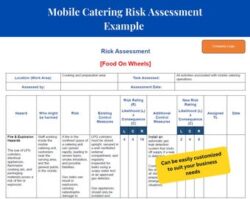
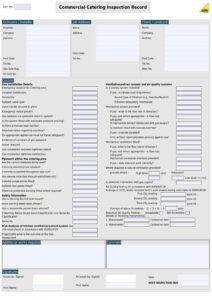
Once you understand the importance of risk assessment, the next step is to put that knowledge into action by creating a functional and easy-to-use template. A well-designed community event risk assessment template provides a structured framework, guiding you through each stage of identifying and managing potential hazards. It ensures consistency across different events and allows for easy review and updates, making your planning process far more efficient and less prone to oversight. Think of it as your safety blueprint, clearly outlining every potential issue and the steps you’ll take to address it.
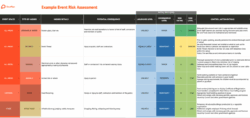
Your template doesn’t need to be overly complex, but it should be comprehensive enough to cover all relevant aspects of your event. It should encourage you to systematically list potential risks, assess their likelihood and impact, and then detail the control measures you’ll put in place. This methodical approach ensures that even minor risks aren’t overlooked and that all team members are aware of their responsibilities regarding safety protocols. A good template evolves over time as you gain more experience, incorporating lessons learned from previous events to become an even more robust tool.
When developing or selecting a community event risk assessment template, consider its adaptability. Your template should be flexible enough to be tailored to various event types, from small community workshops to large public festivals. The core structure might remain the same, but the specific risks and control measures will vary significantly. For instance, a template for an indoor arts exhibition will have different focuses than one for an outdoor sporting event, but both can benefit from a standardized approach to identifying and managing hazards.
Ultimately, this template isn’t just a document to be filled out and forgotten; it’s a living tool that should be regularly reviewed, updated, and communicated to everyone involved in the event’s execution. It serves as a central reference point for all safety-related matters, ensuring that your team is united in its commitment to creating a safe and enjoyable environment. It fosters a culture of safety, where vigilance and preparedness are integrated into every aspect of event planning and delivery.
Key Sections to Include in Your Template
- Risk Identification: Clearly describe the potential hazard.
- Likelihood: How probable is it that this risk will occur (e.g., Low, Medium, High)?
- Impact: What would be the severity if this risk occurred (e.g., Minor, Moderate, Major)?
- Existing Control Measures: What measures are already in place to reduce this risk?
- Additional Control Measures Needed: What further actions will be taken?
- Responsible Person: Who is accountable for implementing and monitoring these measures?
- Target Completion Date: When should the control measures be in place?
- Review Date/Status: When was the risk last reviewed, and is it still relevant?
Implementing a thorough risk assessment strategy, guided by a well-structured template, is perhaps the most significant step you can take towards hosting a successful and safe community event. It transforms the daunting task of anticipating problems into a manageable, systematic process, allowing you to focus on delivering an unforgettable experience. By taking the time to plan carefully and address potential issues before they arise, you set the stage for an event that runs smoothly, safely, and joyfully for everyone involved.
Embrace the power of proactive planning, and you’ll find that the peace of mind it offers is invaluable. Not only will you protect your attendees and team, but you’ll also build a reputation for reliability and professionalism that will serve your future endeavors well. A safe event is a successful event, and with the right tools and mindset, you’re well-equipped to achieve just that.