Navigating challenging behaviour is a reality for many individuals and organisations, particularly those working in care, education, and support sectors. It’s a complex area, often demanding a delicate balance of understanding, empathy, and practical strategies. The goal is always to ensure the safety and well-being of everyone involved, including the person exhibiting the behaviour and those around them. Proactive management, rather than reactive responses, is key to fostering a more positive and supportive environment.

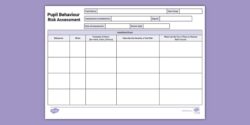
This proactive approach fundamentally relies on robust planning and foresight. Effectively identifying potential risks before they escalate can make a profound difference in outcomes. This is where a structured risk assessment comes into play, offering a systematic way to evaluate situations and plan interventions. Having a clear and comprehensive challenging behaviour risk assessment template can dramatically simplify this crucial process, ensuring no vital step is overlooked and that consistent standards are maintained across different situations and teams.
Understanding the Core Elements of a Challenging Behaviour Risk Assessment
At its heart, a risk assessment for challenging behaviour isn’t just a compliance exercise; it’s a vital tool for safeguarding. It ensures that potential harms are identified, understood, and mitigated, creating safer environments for individuals and staff alike. By systematically examining behaviours, triggers, and potential outcomes, we can move from guesswork to informed decision-making, which is essential when supporting vulnerable individuals. It’s about more than just reacting to an incident; it’s about anticipating, planning, and preventing.
The initial step in any effective assessment involves clearly defining the specific challenging behaviour observed or anticipated. What exactly does it look like? When does it typically occur? Who does it involve? Being as descriptive and objective as possible is crucial here, avoiding subjective interpretations. Once the behaviour is clearly outlined, the next critical phase is to identify the factors that might contribute to its occurrence. This includes everything from the immediate environment to the individual’s personal history and current state.
Identifying Risk Factors and Triggers
Unpacking the underlying causes and contributing factors to challenging behaviour is perhaps the most insightful part of the assessment. Triggers can be external or internal, obvious or subtle, and often multifaceted. Understanding these helps in developing targeted and effective support strategies, moving beyond simply managing the behaviour to addressing its root causes. This requires careful observation, information gathering, and often, collaboration with the individual and their support network.
Consider a wide range of elements that could influence behaviour. These might include:
* Environmental factors such as noise levels, temperature, crowding, or changes in routine.
* Personal history and health considerations, including physical pain, medical conditions, medication side effects, or past trauma.
* Communication difficulties, where an individual struggles to express needs or frustrations verbally.
* Changes in routine, staff, or living arrangements, which can cause anxiety or confusion.
* Social interactions, including perceived lack of control, feeling misunderstood, or conflicts with others.
After identifying the potential triggers and factors, the assessment then moves to evaluating the severity and likelihood of the challenging behaviour occurring. This involves considering the potential impact of the behaviour on the individual, others, and the environment, alongside how frequently and intensely it might manifest. This helps in prioritising risks and allocating resources effectively, ensuring that the most pressing issues receive appropriate attention.
Building an Effective Challenging Behaviour Risk Assessment Template
Once we understand the fundamental principles, the next logical step is to structure this knowledge into a usable and practical format. An effective challenging behaviour risk assessment template isn’t merely a blank form; it’s a thoughtfully designed framework that guides users through a comprehensive evaluation process. It should be intuitive enough for various users to understand and complete, yet detailed enough to capture all necessary information for robust risk management and support planning. The goal is consistency and clarity across all assessments.
Such a template acts as a living document, not a static one-off paper. It encourages a dynamic approach to support, acknowledging that behaviours and circumstances can change over time. Therefore, it needs to be easily revisable and readily accessible to all relevant parties. A well-designed template can transform what might seem like a daunting task into a manageable and systematic process, empowering staff to better understand and respond to complex situations with confidence and competence.
To ensure comprehensiveness and utility, a good template should typically include several key sections. Thinking through each component will help ensure all bases are covered, from initial identification to ongoing review.
Consider these essential sections for your template:
* Individual’s details and background information relevant to their behaviour.
* A clear and objective description of the challenging behaviour itself, including frequency and intensity.
* Identified triggers and antecedents that precede the behaviour.
* A risk level assessment, detailing the likelihood of occurrence and the potential impact or severity.
* Proposed de-escalation strategies and immediate responses for when the behaviour occurs.
* Preventative measures and proactive support plans designed to reduce the incidence of the behaviour.
* Review dates and assigned responsibilities for monitoring and updating the assessment.
The power of a well-constructed challenging behaviour risk assessment template lies in its ability to facilitate consistent practice and informed decision-making. It ensures that every individual’s specific needs are considered, and that a proactive, person-centred approach is consistently applied. This commitment to detail and regular review ensures that support plans remain relevant and effective, constantly adapting to an individual’s evolving needs and circumstances. Ultimately, it’s about fostering a culture of safety, understanding, and proactive care for everyone involved.
Developing and implementing a systematic approach to understanding and managing challenging behaviour is not just good practice; it is essential for creating environments where everyone feels safe and valued. By diligently assessing risks and developing thoughtful, individualised support plans, we can significantly improve the quality of life for those exhibiting challenging behaviours and for those who support them. This dedication to proactive care underlines a commitment to dignity and positive outcomes for all.
The ongoing effort to refine and apply these strategies continually strengthens our capacity to provide truly person-centred support. It empowers teams with the knowledge and tools they need to navigate complex situations with greater confidence, leading to fewer incidents and more opportunities for growth and positive engagement. Ultimately, this collaborative and informed approach builds more compassionate, effective, and supportive communities for everyone.