Embarking on any construction project, big or small, brings with it an inherent set of challenges and potential hazards. From groundworks to the final touches, a building site is a dynamic environment where safety cannot be an afterthought. It is a place where careful planning and proactive measures are not just good practice, but an absolute necessity to protect workers, visitors, and the public, while also safeguarding your project’s timeline and budget. Overlooking potential risks can lead to serious consequences, impacting not only human lives but also causing significant financial setbacks and reputational damage.
That is where a structured approach to identifying and mitigating these dangers becomes invaluable. Instead of reacting to incidents, the goal is to prevent them from happening in the first place. This proactive mindset is the cornerstone of effective site management, and it relies heavily on thorough preparation and consistent vigilance. A well-designed tool can simplify this complex process, ensuring nothing important gets missed as you navigate the intricacies of site safety.
Understanding the Core of Site Safety
Risk assessment is far more than a bureaucratic checkbox exercise; it is the bedrock upon which a safe and successful building project is built. It involves a systematic examination of everything that could cause harm to people, property, or the environment on your site. The process helps you decide whether you have taken enough precautions or if you need to do more to prevent harm. Without a clear understanding of potential dangers and a plan to address them, you are essentially leaving critical aspects of your project to chance.
The journey of a risk assessment typically begins with identifying hazards, which are anything with the potential to cause harm. This could range from working at height and operating heavy machinery to electrical installations and hazardous materials. Once identified, you need to assess who might be harmed and how. Following this, the next crucial step is to evaluate the risks, determining the likelihood of harm occurring and the severity of the potential consequences.
Key Elements of an Effective Template
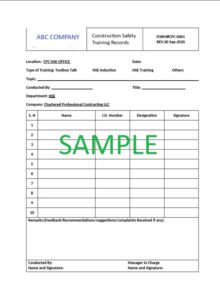
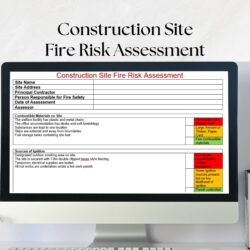
When it comes to putting together a robust safety strategy, having a reliable building site risk assessment template is incredibly helpful. It provides a consistent framework to ensure all bases are covered and that assessments are carried out systematically across different projects or phases. Such a template is not just a form to fill out; it is a live document that guides your safety efforts from start to finish, evolving with the project.
A comprehensive building site risk assessment template should guide you through all the necessary steps, prompting you to consider various aspects of your site operations. Here are some of the essential components you would typically find:
- Project and Site Details: Basic information to identify the assessment.
- Hazard Identification: A section to list all potential hazards.
- Risk Likelihood and Severity Matrix: To quantify the risk level.
- Existing Control Measures: What is already in place to reduce risk.
- Further Control Measures Required: Actions needed to mitigate remaining risks.
- Responsible Person and Deadline: Assigning ownership for implementing controls.
- Review Date and Sign-off: Ensuring the assessment remains current and approved.
This structured approach not only helps in identifying and managing immediate risks but also fosters a culture of continuous improvement, as assessments are regularly reviewed and updated to reflect changing site conditions or new work activities.
Putting Your Template into Action
Having a well-crafted building site risk assessment template is a fantastic start, but its true value comes from its consistent and thoughtful application. It is not enough to simply fill it out once and file it away; the template must become an active tool integrated into your daily operations. This means training your team on how to use it, encouraging open communication about potential hazards, and empowering everyone on site to contribute to a safer environment. Regular site walk-throughs, toolbox talks, and pre-task briefings are all opportunities to refer back to and update your assessment.
Implementing your risk assessment means putting the identified control measures into practice. This could involve providing specific personal protective equipment, implementing new safety procedures, or modifying work methods. Each control measure listed in your template should have a clear owner and a deadline for completion, ensuring accountability. Effective communication of these measures to everyone involved in the project is paramount, as even the best controls are useless if they are not understood or followed.
Beyond the immediate practical benefits, using a standardized template helps your organization maintain regulatory compliance. Health and safety legislation often requires employers to conduct risk assessments and to record significant findings. A thoroughly completed template serves as concrete evidence of your due diligence, demonstrating that you have taken reasonable steps to ensure the safety of your workers and others who might be affected by your work. This proactive approach can save significant legal and financial headaches down the line.
Finally, remember that a construction site is constantly changing. New phases of work begin, different equipment arrives, and external conditions can vary. For these reasons, your building site risk assessment template should never be considered a static document. It needs to be reviewed regularly, especially when there are significant changes to the work scope, new hazards are introduced, or after any incident or near-miss. This ongoing review process ensures that your safety measures remain relevant and effective, reflecting the current realities of your site and maintaining a high standard of safety throughout the project’s lifecycle.
Adopting a robust and systematic approach to managing hazards on any construction project is not merely a legal requirement; it is a fundamental aspect of responsible project management. By proactively identifying and addressing potential issues, you create a safer working environment, protect your team, and ensure the smooth progression of your work. This commitment to safety ultimately leads to better project outcomes, reduced delays, and a positive reputation for your organization.
Ultimately, a carefully developed and consistently applied building site risk assessment template is an indispensable asset. It provides the structure and guidance needed to navigate the complexities of site safety, ensuring that every project is not only built to specification but also completed with the well-being of everyone involved at its absolute core. Embracing this tool empowers you to build smarter, safer, and with greater confidence.