Working on a construction site is a dynamic and often unpredictable environment, full of unique challenges and potential hazards. Among these, fire risk stands out as particularly devastating, capable of causing serious injury, fatalities, significant property damage, and costly project delays. It’s not just about protecting the structure being built; it’s about safeguarding the lives of the hard-working individuals on site and the surrounding community. Taking a proactive approach to fire safety isn’t just a good idea; it’s a legal and moral imperative.

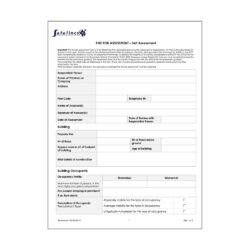
This is where a structured approach becomes invaluable. Understanding and mitigating these risks requires a systematic process, and having a reliable framework to guide you can make all the difference. That’s precisely why a well-designed construction site fire risk assessment template is such a powerful tool. It helps ensure that all potential fire hazards are identified, risks are evaluated, and appropriate control measures are put in place, leaving no stone unturned in the pursuit of a safer working environment.
Understanding the Pillars of a Robust Fire Risk Assessment
Embarking on a fire risk assessment for any construction project involves more than just checking a few boxes; it’s a comprehensive process designed to systematically identify potential dangers and implement effective solutions. Think of it as painting a detailed picture of your site’s vulnerability to fire and then devising a strategic plan to strengthen its defenses. This journey begins with a thorough site walk-through and an understanding of the specific activities taking place, from welding and hot works to the storage of flammable materials.
One of the fundamental pillars is the identification of fire hazards themselves. This involves looking at potential ignition sources, such as temporary electrical installations, portable heaters, cooking facilities, and machinery. Equally important is recognizing potential fuel sources, which on a construction site can range from timber, insulation materials, and solvents to waste accumulations and stored gases. Don’t forget the oxygen factor, often naturally present but can be exacerbated in confined spaces or by certain chemicals.
Key Elements to Consider in Your Assessment
- **Identifying Fire Hazards:** Pinpoint all potential sources of ignition and fuel, as mentioned above. Consider all phases of the construction process, as hazards can change daily.
- **Identifying People at Risk:** Who could be harmed in a fire? This includes construction workers, contractors, visitors, and even members of the public near the site. Pay special attention to vulnerable groups, such as those working at height or in confined spaces, and night shift workers.
- **Evaluating and Recording:** Once hazards and at-risk individuals are identified, the next step is to evaluate the risk. How likely is a fire to occur, and how severe could the consequences be? This evaluation helps prioritize risks. All significant findings and the actions taken must be recorded.
- **Implementing Control Measures:** This is where you put your plan into action. Control measures can include improving housekeeping, safely storing flammable materials, implementing hot work permits, ensuring adequate fire extinguishers are available and maintained, and establishing clear emergency escape routes and assembly points.
Finally, the assessment must address the site’s emergency procedures. This means clearly defined evacuation plans, readily accessible fire-fighting equipment, adequate fire detection and alarm systems, and designated assembly points. Crucially, all personnel must be aware of these procedures and trained on how to respond effectively in the event of a fire. Without proper communication and training, even the best plans can fall short.
Leveraging a Construction Site Fire Risk Assessment Template Effectively
While the core principles of fire risk assessment remain constant, the specific details will always vary from one construction site to another. This is precisely where a robust construction site fire risk assessment template proves invaluable. It provides a standardized framework, ensuring that no critical area is overlooked, while also offering the flexibility to be customized to the unique characteristics of each project, whether it’s a small renovation or a multi-story high-rise. Using a template doesn’t mean a one-size-fits-all approach; it means having a reliable starting point.
One of the primary benefits of utilizing such a template is consistency. It helps ensure that fire safety assessments are conducted to the same high standard across different projects and by various safety personnel. This consistency aids in compliance with regulatory requirements and fosters a culture of safety throughout the organization. Furthermore, it significantly reduces the time and effort required to initiate a new assessment, allowing safety managers to focus more on risk mitigation rather than starting from scratch each time.
When adapting your construction site fire risk assessment template, consider the specific types of construction work being undertaken. For instance, a site involving extensive demolition will have different risks than one focused on structural steel erection or interior fit-out. Think about the stage of the project – early groundwork poses different challenges than the final commissioning phase. The template should prompt you to think about these nuances, from access and egress for emergency services to the specific types of temporary structures and utilities in place.
Regular review and updates are also paramount. Construction sites are constantly evolving environments, with new hazards introduced daily as work progresses. Therefore, your fire risk assessment isn’t a one-and-done document; it’s a living record that needs periodic revision. Anytime there’s a significant change in materials, processes, site layout, or personnel, the assessment should be revisited and updated to reflect the new circumstances, ensuring it remains accurate and effective.
Implementing a thorough and effective fire risk assessment is more than just a regulatory obligation; it’s a fundamental commitment to safety. By systematically identifying hazards, assessing risks, and putting control measures in place, you’re not only protecting assets and preventing costly delays but, most importantly, safeguarding lives. A well-utilized construction site fire risk assessment template empowers project managers and safety officers to maintain vigilance, adapt to changing site conditions, and cultivate a proactive safety culture that benefits everyone involved. The effort invested in this critical process pays dividends in peace of mind and, ultimately, a safer, more efficient project delivery.