Ever embarked on a new project or introduced a significant change within your organization, only to encounter unexpected challenges down the line? It’s a common scenario, often stemming from an incomplete understanding of how a proposed change will ripple through various parts of the business. This is precisely where the power of a thorough impact assessment comes into play, acting as your crystal ball to foresee potential outcomes and roadblocks before they materialize.
Understanding the full scope of a change before committing resources is not just a good idea; it’s a critical component of successful project management and strategic planning. A well-executed impact assessment allows you to make informed decisions, mitigate risks, allocate resources effectively, and ensure a smoother transition. It’s about moving from reactive problem-solving to proactive foresight, saving time, money, and headaches in the long run.
Understanding the Core Components of an Impact Assessment
So, what exactly is a business impact assessment, and why is it so vital? At its heart, an impact assessment is a systematic process of identifying and evaluating the potential effects of a proposed change or project on an organization. This isn’t just about the immediate effects; it’s about understanding the knock-on effects across different departments, systems, processes, and even people. Think of it as mapping out all the potential pathways a change could take, both good and bad, across your entire business ecosystem.
Before any major initiative, whether it’s implementing new software, restructuring a department, or launching a new product line, a detailed impact assessment helps uncover hidden dependencies, potential bottlenecks, and areas of resistance. Without this critical step, you might unknowingly disrupt crucial operations, misallocate budgets, or alienate key stakeholders. It’s about ensuring that you’re not just solving one problem, but doing so without creating several new ones.
Impacts can manifest in various forms: operational, affecting daily workflows; financial, impacting budgets and revenue; technical, concerning IT systems and infrastructure; and perhaps most importantly, human, touching upon employee roles, skills, and morale. Recognizing and categorizing these potential impacts is the first step towards managing them effectively. This is where a robust business analysis impact assessment template truly shines, providing a structured framework to capture and analyze these diverse effects systematically.
Using a template ensures consistency and comprehensiveness in your assessment process, making sure no critical area is overlooked. It standardizes how information is gathered, analyzed, and presented, which is especially valuable in larger organizations or for complex projects. It moves you from ad-hoc analysis to a repeatable, reliable methodology for evaluating change.
Key Elements of an Effective Impact Assessment
- Scope of Change: Clearly define what the proposed change entails and its boundaries.
- Stakeholder Identification: Pinpoint all individuals or groups who will be affected, directly or indirectly.
- Affected Systems and Processes: Document all operational systems, software, and business processes that will be altered.
- Data and Information Impact: Assess how data will be created, modified, stored, or consumed.
- Financial Implications: Estimate costs, potential savings, and revenue impacts associated with the change.
- Resource Needs: Identify any additional human resources, equipment, or facilities required.
- Training Requirements: Determine what new skills or knowledge will be needed by staff and plan for training.
- Risk Identification: Uncover potential risks and challenges that could arise from the change, along with mitigation strategies.
Building Your Own Business Analysis Impact Assessment Framework
Now that we understand the ‘why,’ let’s delve into the ‘how’ of creating and utilizing an impact assessment framework that truly works for your organization. While pre-made templates offer a great starting point, the most effective framework is often one that’s tailored to your specific organizational context, culture, and the types of changes you frequently undertake. Think of a template as a flexible guide, not a rigid straitjacket.
The journey begins by clearly defining the change initiative itself. What problem are you trying to solve? What opportunities are you trying to seize? A clear understanding of the ‘what’ and ‘why’ provides the necessary context for assessing its impact. From there, you’ll need to identify all potential stakeholders, from front-line employees to senior management, external partners, and customers. Their input is invaluable for uncovering impacts that might not be immediately obvious to a project team.
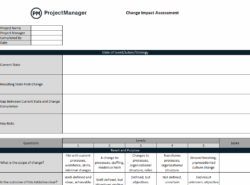
Mapping the current state versus the future state is a crucial step. This involves documenting how things are done now, and how they will be done after the change is implemented. This comparison allows you to pinpoint the specific areas where the impact will occur. For instance, a new software system might automate a manual process, eliminating certain tasks but creating a need for new data entry skills. Each discrepancy represents a potential area of impact that needs to be explored.
Finally, the assessment should culminate in actionable recommendations. It’s not enough to just identify impacts; you must also propose strategies to mitigate negative effects, leverage positive ones, and ensure a smooth transition. This might involve developing new training programs, updating operational procedures, revising communication plans, or adjusting project timelines. The ultimate goal is to empower decision-makers with a comprehensive understanding of the change’s implications, allowing them to proceed with confidence and a clear roadmap.
- Clearly define the change initiative and its objectives.
- Identify all relevant stakeholders and gather their perspectives.
- Conduct a thorough current state versus future state analysis.
- Categorize and quantify impacts across various dimensions (e.g., operational, financial, technical, human).
- Develop specific mitigation strategies for identified negative impacts.
- Document all findings, assumptions, and recommendations comprehensively.
- Communicate the assessment results effectively to all relevant parties.
- Review and update the assessment as the project progresses, as impacts can evolve.
Embracing a systematic approach to impact assessment transforms how your organization approaches change. It fosters a culture of foresight, collaboration, and informed decision-making, significantly increasing the likelihood of project success and minimizing unforeseen challenges. By investing the time upfront to understand the full landscape of a proposed change, you are not just identifying problems; you are building a stronger, more resilient foundation for your future initiatives.
Ultimately, a well-executed impact assessment provides clarity and confidence, allowing you to navigate complex organizational shifts with greater ease. It’s a strategic asset that empowers teams to anticipate, plan for, and effectively manage the complexities of change, leading to more successful projects and a more adaptable business overall.