Diving into the wonderful world of arts and crafts is an incredibly rewarding experience, offering a fantastic outlet for creativity, relaxation, and self-expression. Whether you’re a seasoned artisan or just starting out with a new hobby, the joy of making something with your own hands is truly unparalleled. From painting and pottery to woodworking and jewelry making, the possibilities are endless, each craft bringing its own unique materials, tools, and techniques to explore.
However, amidst all the creative excitement, it’s easy to overlook the potential for bumps, scrapes, or even more serious incidents that can occur when working with various materials and equipment. Just like any activity involving tools, chemicals, or even just a busy environment, arts and crafts come with inherent risks. Being aware of these potential hazards and taking proactive steps to manage them isn’t about stifling your artistic freedom; it’s about ensuring a safe, enjoyable, and sustainable creative journey for everyone involved.
Why a Risk Assessment is Your Best Crafting Buddy
Think of a risk assessment not as a tedious chore, but as an essential part of your creative process – a way to ensure your crafting space remains a sanctuary, not a source of accidents. It’s about being smart and proactive, identifying potential dangers before they turn into actual problems. This foresight allows you to implement simple, effective measures that safeguard yourself, your fellow crafters, and anyone who might come into contact with your creative activities. It’s about building a foundation of safety that lets creativity flourish without unnecessary worry.
The risks in arts and crafts can be quite diverse. They might be physical, such as cuts from sharp tools, burns from hot glue guns or kilns, strains from repetitive motions, or trips and falls in a cluttered workshop. Chemical hazards are also prevalent, stemming from paints, glues, solvents, dyes, and other materials that can cause skin irritation, respiratory issues, or even more severe health problems if not handled properly. Then there are environmental concerns, like poor ventilation, inadequate lighting, or even noise pollution from certain machinery.
Undertaking a comprehensive risk assessment brings a multitude of benefits beyond just preventing accidents. It provides peace of mind, knowing that you’ve thought through potential issues and put safeguards in place. For those running workshops or classes, it demonstrates a commitment to safety, building trust with participants and often fulfilling legal and insurance requirements. Moreover, by clearly identifying and mitigating risks, you create a more organized and efficient workspace, allowing for smoother workflows and greater focus on the artistic endeavor itself. It’s about nurturing a culture where safety is intertwined with innovation.
The core idea is to systematically identify potential dangers, understand who might be affected and how, evaluate the likelihood and severity of harm, and then decide on the most effective ways to control those risks. It’s a cyclical process, meaning it’s not a one-off task, but something to be reviewed and updated regularly, especially when new crafts are introduced or processes change. This structured approach helps ensure that all bases are covered, from the smallest hazard to the most significant.
Key Steps in Crafting Safety
- Identify hazards: Look for anything in your crafting environment that could cause harm. Think about tools, materials, processes, and the workspace itself.
- Who might be harmed and how: Consider yourself, fellow crafters, students, or even visitors. How could each identified hazard specifically affect them?
- Evaluate the risks: Determine how likely it is that harm will occur and how severe that harm could be. This helps prioritize which risks need immediate attention.
- Record your findings: Document what you’ve found and the steps you’ve taken to control the risks. This is crucial for demonstrating due diligence and for future reference.
- Review and update regularly: Safety is an ongoing process. Revisit your assessment periodically, especially if there are changes to your craft, materials, or workspace.
What to Include in Your Arts and Crafts Risk Assessment Template
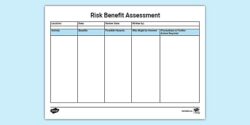
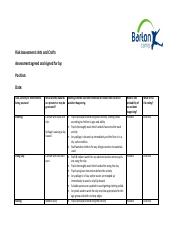
When putting together your own arts and crafts risk assessment template, clarity and practicality are key. A good template should guide you through the process step-by-step, ensuring you don’t miss any critical details. It should be user-friendly, allowing you to easily identify hazards, assess their risks, and document the control measures you’ve implemented. Imagine it as a living document that evolves with your crafting journey, providing a reliable reference point for safe practice.
Start by dedicating sections to specific areas or types of activities within your craft. For instance, you might have sections for “General Workshop Environment,” “Hand Tools,” “Power Tools,” “Chemicals and Adhesives,” or “Heat Sources.” Within each section, you’ll want to list specific hazards. For hand tools, this could be “cuts from knives/blades,” “punctures from needles,” or “crush injuries from clamps.” For chemicals, it might be “inhalation of fumes,” “skin contact with irritants,” or “flammability.” Be as detailed as possible to ensure thorough coverage.
Once hazards are identified, the next step in your template should focus on risk evaluation. This typically involves assessing both the likelihood of an incident occurring (e.g., low, medium, high) and the potential severity of the harm (e.g., minor injury, serious injury, fatality). Combining these two factors helps you prioritize risks, focusing your efforts on those that are most likely to happen and/or could cause the greatest harm. Following this, you’ll detail the control measures already in place or those you plan to implement. These measures should aim to eliminate the risk entirely, reduce it to an acceptable level, or protect individuals from it.
Finally, your arts and crafts risk assessment template should include sections for monitoring, review dates, and the names of individuals responsible for specific actions. Safety isn’t a one-and-done task; it requires ongoing vigilance. Regular reviews ensure that your assessment remains relevant and effective, especially as new materials or techniques are introduced, or if an incident occurs. This iterative approach ensures continuous improvement in safety standards, creating a safer and more productive environment for all your creative endeavors.
Here are some common elements and considerations you might include:
- Description of the activity or craft being assessed.
- Date of assessment and review date.
- Identification of specific hazards (e.g., sharp objects, toxic chemicals, electrical equipment).
- Who might be at risk (e.g., crafter, assistant, child).
- Existing control measures (e.g., safety glasses, ventilation, training).
- Further actions needed to reduce risk.
- Person responsible for actions and completion date.
- Risk level before and after control measures are applied.
Embracing the principles of a well-executed risk assessment simply allows you to pursue your artistic passions with greater confidence and peace of mind. It’s about recognizing the exciting potential of your craft while also being mindful of the practicalities that keep everyone safe. By integrating safety considerations into your creative process, you’re not just protecting yourself and others; you’re also fostering a more professional and responsible approach to your art.
Taking the time to understand and mitigate potential hazards ultimately enriches your crafting experience. It ensures that your focus can remain squarely on innovation and artistry, rather than being distracted by preventable accidents. A safer environment translates directly into a more enjoyable and sustainable journey for every artist, allowing your creativity to truly shine without reservation.