Navigating the complexities of modern finance means constantly being on guard against potential threats. Wire transfers, while essential for rapid and large-value transactions, also represent a significant vulnerability for businesses of all sizes. The speed and finality of these transfers make them a prime target for fraudsters, and a single misstep can lead to substantial financial losses and reputational damage. It’s no longer enough to simply process transactions; a proactive and robust approach to security is absolutely critical.

Understanding and mitigating these risks requires a systematic method. Relying on ad-hoc checks or outdated procedures can leave your organization exposed. This is where a structured framework becomes invaluable, offering a clear path to identify, evaluate, and manage the inherent dangers. By adopting a comprehensive strategy, you can bolster your defenses and ensure your financial operations remain secure and resilient in an ever-evolving threat landscape.
Understanding the Nuances of Wire Transfer Vulnerabilities
Wire transfers are often perceived as a straightforward method of moving money, but their inherent characteristics—such as their speed and irrevocability—make them particularly attractive to cybercriminals and fraudsters. These bad actors constantly evolve their tactics, moving beyond simple phishing emails to sophisticated business email compromise (BEC) schemes, where they impersonate executives or trusted vendors to trick employees into initiating fraudulent transfers. Internal threats, though less common, also pose a significant risk, ranging from negligent errors to malicious actions by disgruntled staff.
Identifying these vulnerabilities requires a deep dive into your organization’s processes, technologies, and human elements. Are your employees adequately trained to spot suspicious requests? Do your systems have sufficient multi-factor authentication and anomaly detection capabilities? Are there clear segregation of duties to prevent a single individual from initiating and approving a high-value transfer without oversight? Overlooking any of these areas can create a weak link that fraudsters are quick to exploit, leading to significant financial losses and damage to your brand.
The challenge isn’t just about preventing external attacks, but also about building resilience against internal errors and deliberate malice. A robust defense involves creating multiple layers of security, ensuring that even if one layer is breached, others are in place to catch the anomaly. This layered approach is critical because the cost of recovery from a successful wire transfer fraud can extend far beyond the direct financial loss, encompassing legal fees, regulatory fines, and a severe erosion of customer and stakeholder trust.
Therefore, a systematic review of all touchpoints involved in your wire transfer process is not just a best practice, but a necessity. From the initial request to final execution, every step must be scrutinized for potential weak spots. This proactive stance ensures that you are not just reacting to threats but actively working to prevent them, thereby securing your financial assets and safeguarding your operational integrity.
Key Areas to Scrutinize
-
Employee training and awareness: Regular training sessions are crucial to educate staff about the latest fraud tactics, common red flags, and proper verification procedures for wire transfer requests. This includes simulated phishing exercises.
-
Technology and system security: Evaluate the security of the systems used for initiating and approving wire transfers. This involves strong authentication protocols, encryption, and real-time monitoring for unusual activity or access attempts.
-
Internal controls and segregation of duties: Implement policies that ensure no single individual has complete control over a wire transfer from request to approval and execution. Multiple levels of authorization and independent verification are essential.
-
Vendor management and third-party risks: Assess the security postures of any third-party vendors involved in your payment processes. Fraudsters often target weaker links in the supply chain to gain access.
-
Emergency response and recovery plans: Develop and regularly test a clear incident response plan for suspected or actual wire transfer fraud. This plan should outline immediate steps to take, communication protocols, and recovery strategies.
Building a Robust Defense with a Structured Framework
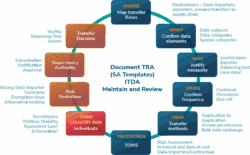
Implementing a comprehensive wire transfer risk assessment template is a game-changer for any organization serious about financial security. Such a template provides a standardized, repeatable process for identifying, evaluating, and mitigating the diverse risks associated with wire transfers. Instead of disjointed efforts or relying on institutional memory, a template ensures that every critical aspect of your wire transfer process is systematically reviewed against a consistent set of criteria, promoting thoroughness and reducing the chances of oversight.
The true power of a well-designed wire transfer risk assessment template lies in its ability to bring structure to what can often be a chaotic and reactive area of financial management. It encourages a proactive mindset, prompting teams to consider potential vulnerabilities before they are exploited. This framework helps in documenting your controls, identifying gaps, and prioritizing actions based on the likelihood and impact of various threats. This structured approach not only enhances your security posture but also demonstrates due diligence to regulators and auditors.
Moreover, a standardized template facilitates ongoing review and improvement. Financial crime landscapes are constantly shifting, and what might be a strong control today could become inadequate tomorrow. By using a consistent template, your organization can regularly reassess its risks, update its mitigation strategies, and adapt to new threats without reinventing the wheel each time. This continuous cycle of assessment and refinement is vital for maintaining an effective and resilient defense against evolving fraud schemes.
Ultimately, adopting a specific wire transfer risk assessment template provides a clear roadmap for securing your financial operations. It empowers your team with the tools needed to make informed decisions, allocate resources effectively, and implement robust controls that protect your assets and reputation. This proactive engagement with risk management transforms a potential weak point into an area of strength, fostering greater confidence in your financial transactions.
Securing your financial transactions against sophisticated threats requires more than just good intentions; it demands a structured, systematic approach. By diligently applying a comprehensive risk assessment, organizations can transform their vulnerabilities into strengths, ensuring that every wire transfer is conducted with the highest degree of security and confidence.
Embracing such a disciplined framework not only safeguards against immediate financial loss but also fortifies your organization’s reputation and long-term stability. It’s about building a culture of vigilance and resilience, where every team member understands their role in protecting the organization’s assets against an ever-present threat.