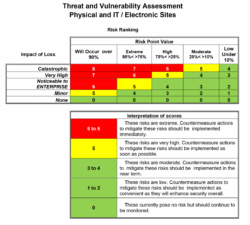
In today’s fast-paced world, where digital transformation reshapes every industry, safeguarding your assets—whether they are data, physical infrastructure, or intellectual property—has never been more critical. The landscape of potential dangers is constantly evolving, making it essential for organizations of all sizes to proactively identify and mitigate risks. Simply hoping for the best is no longer a viable strategy; a structured approach is paramount to maintaining operational continuity and protecting your reputation.
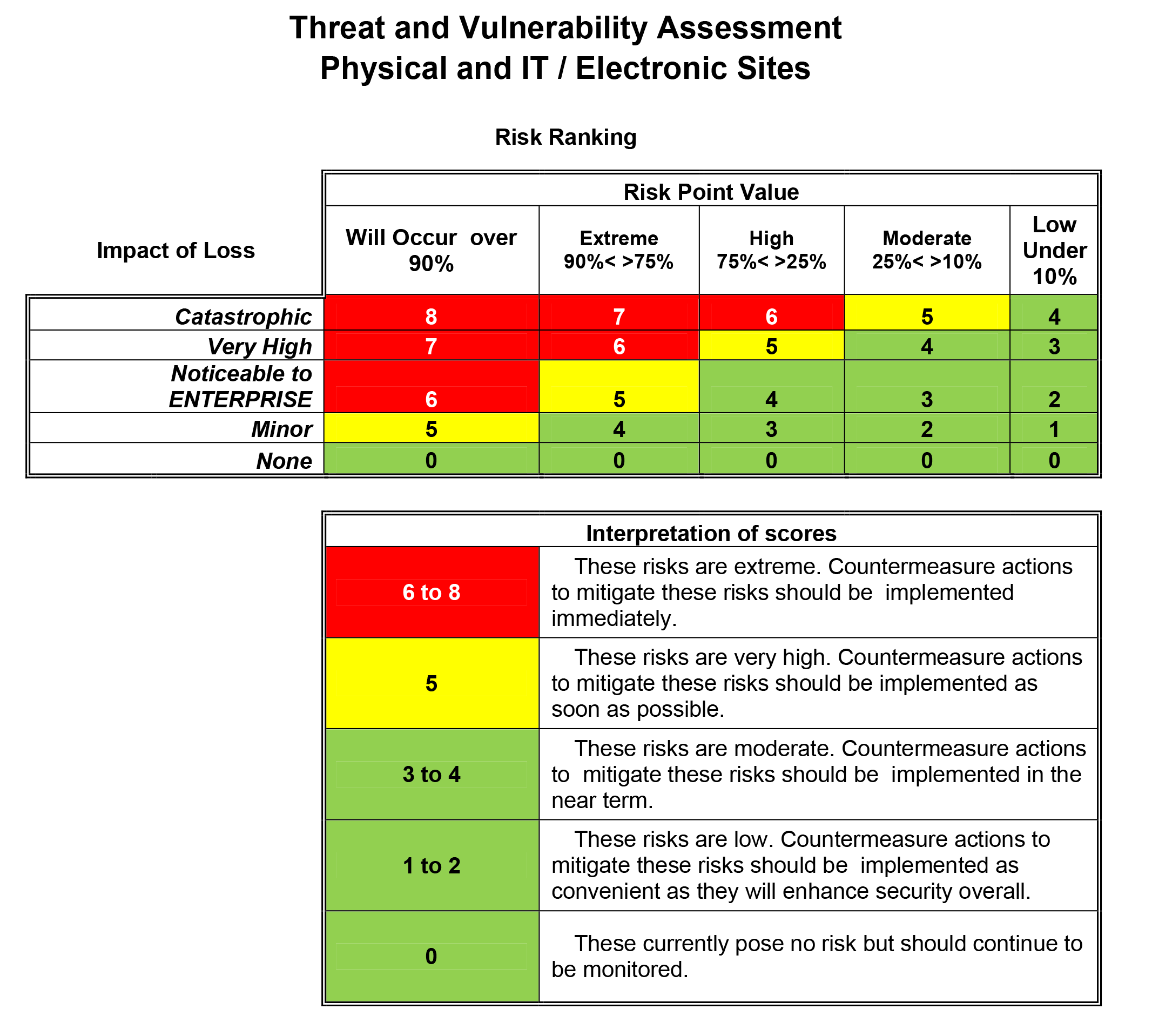
This is precisely where a robust threat vulnerability risk assessment template comes into play. It provides a systematic framework, a guided pathway, for understanding the potential threats lurking around your organization, identifying the weaknesses that could be exploited, and then evaluating the actual risk these combinations pose. Think of it as your organization’s health check, designed to pinpoint vulnerabilities before they can be leveraged by malicious actors or lead to costly disruptions.
Understanding the Core Components of a TVRA
To truly leverage a threat vulnerability risk assessment template, it is crucial to grasp the fundamental concepts that underpin it. These aren’t just abstract terms; they are the building blocks that allow you to systematically evaluate your security posture. By clearly defining what constitutes a threat, a vulnerability, and a risk, your assessment becomes more precise and actionable, moving beyond mere guesswork to informed decision-making.
What is a Threat?
A threat is any potential cause of an unwanted incident that may result in harm to a system or organization. It’s an external or internal entity, event, or action that could exploit a vulnerability. Threats aren’t inherently good or bad; they just exist as possibilities. Examples range from natural disasters like floods or earthquakes, to human errors such as accidental data deletion, to deliberate malicious acts like cyberattacks, insider espionage, or physical theft.
What is a Vulnerability?
In contrast, a vulnerability refers to a weakness or a gap in an organization’s security program, system, or internal controls that could be exploited by a threat. These are the entry points or the exposed points that an adversary might target. Think of an unpatched software system, a weak password policy, an unsecured server room, or employees who haven’t received adequate security awareness training. Understanding these weaknesses is paramount, as they often determine whether a potential threat can become a real problem.
What is Risk?
Risk is the potential for loss, damage, or destruction of assets as a result of a threat exploiting a vulnerability. It’s the combination of the likelihood of an event occurring and the impact it would have if it did. For instance, a high-likelihood threat exploiting a high-impact vulnerability poses a significant risk. Conversely, a low-likelihood threat exploiting a low-impact vulnerability would represent a much smaller risk. The core purpose of your assessment is to evaluate these risks and prioritize them for mitigation.
Therefore, when you fill out a threat vulnerability risk assessment template, you are essentially documenting these elements: identifying what could go wrong (threats), how it could go wrong (vulnerabilities), and what the ultimate consequence might be (risk). This systematic documentation allows for a clear, objective view of your security landscape, enabling you to allocate resources effectively to address the most pressing concerns first.
Why Every Organization Needs a Structured Risk Assessment Process
Adopting a structured process for evaluating threats, vulnerabilities, and risks isn’t merely a recommendation; it’s a fundamental pillar of modern organizational resilience. Relying on ad-hoc security measures or reacting only after an incident occurs is a recipe for disaster in today’s complex operational environment. A systematic approach, guided by a comprehensive threat vulnerability risk assessment template, transforms reactive defense into proactive protection, giving you foresight and control.
One of the most significant drivers for implementing such a process is the ever-growing labyrinth of compliance and regulatory requirements. Industries from healthcare to finance are bound by strict mandates like GDPR, HIPAA, PCI DSS, and ISO 27001, all of which demand demonstrable evidence of risk management. A well-executed assessment provides the documentation and strategic insights needed to satisfy auditors, avoid hefty fines, and maintain your license to operate, proving due diligence in protecting sensitive information.
Furthermore, a structured risk assessment is crucial for intelligent resource allocation. Security budgets are rarely limitless, and haphazard spending on every perceived threat can quickly deplete funds without providing genuine protection where it’s most needed. By systematically identifying and prioritizing risks based on their likelihood and impact, you can direct your resources—be it budget, personnel, or technology—to address the most critical vulnerabilities first. This ensures that your security investments yield the highest possible return and efficiently strengthen your defenses.
Ultimately, this organized approach significantly improves your organization’s overall decision-making capabilities and enhances business continuity. When you have a clear understanding of your risk landscape, you are better equipped to make informed decisions about security controls, disaster recovery plans, and incident response strategies. This proactive stance minimizes potential disruptions, reduces recovery times after an event, and safeguards your operational integrity, allowing your business to weather unforeseen challenges and continue functioning effectively.
Implementing a robust framework to understand and mitigate potential security issues is not a one-time project but an ongoing commitment. The landscape of threats and vulnerabilities is constantly shifting, meaning your assessment process must be dynamic, adapting to new challenges and evolving technologies. Regularly revisiting and updating your understanding of your organization’s risk posture ensures that your defenses remain relevant and effective.
By systematically identifying, analyzing, and prioritizing risks, you move beyond mere speculation to data-driven security strategies. This proactive stance not only protects your assets and reputation but also fosters a culture of security awareness throughout your organization, providing a stronger foundation for sustained success and offering invaluable peace of mind in an increasingly complex world.