Ensuring the safety of children while they play is a paramount responsibility for anyone managing a public or private play area. We all want kids to have fun, explore, and develop without incident, but the truth is, risks are an inherent part of any active environment. Understanding, identifying, and mitigating these risks is not just good practice; it is essential for preventing accidents and providing a truly safe space for joy and growth.

This is where a systematic approach becomes invaluable. Instead of just reacting to problems, a proactive strategy allows you to anticipate potential hazards and put preventative measures in place. Having a robust system in place not only safeguards children but also protects operators and organizations. A well-designed play area risk assessment template can be your guiding light in this crucial endeavor, simplifying a complex process into manageable steps.
Why a Robust Risk Assessment is Non-Negotiable
When we talk about play areas, whether they are in schools, parks, community centers, or even private venues, the safety of the users is always at the forefront. A thorough risk assessment isn’t just a tick-box exercise; it’s a fundamental part of your duty of care. It demonstrates a commitment to safety, helps you meet legal obligations, and perhaps most importantly, provides peace of mind for parents and guardians who entrust their children to your care. Ignoring this vital step can lead to serious injuries, reputational damage, and potential legal ramifications.
Beyond the legal and ethical imperative, a comprehensive risk assessment brings tangible benefits. It helps in allocating resources more effectively, as you can prioritize maintenance and improvements based on actual identified risks. It fosters a culture of safety among staff and users, making everyone more aware of their surroundings. Ultimately, a well-executed risk assessment transforms a potentially hazardous environment into a thoughtfully managed and enjoyable space where children can thrive without undue worry.
Key Areas to Consider in Your Assessment
To conduct an effective risk assessment, you need to systematically identify potential hazards that could cause harm. This involves looking at everything from the equipment itself to the environment surrounding the play area, and even how it is used and supervised. Think about all the different ways a child might interact with the space and what could go wrong in each scenario. This detailed examination helps ensure no stone is left unturned in your pursuit of safety.
- Types of Equipment: Assess swings, slides, climbing frames, merry-go-rounds, and any other structures for structural integrity, sharp edges, pinch points, and entanglement risks.
- Surfacing Materials: Evaluate the adequacy and condition of fall-absorbing surfaces like rubber mats, wood chips, or sand beneath and around equipment, checking for proper depth and maintenance.
- Environmental Factors: Consider natural elements such as poisonous plants, uneven ground, water features, insect nests, excessive sun exposure, and proximity to roads or other dangers.
- Maintenance Issues: Look for wear and tear, broken parts, loose fittings, vandalism, rust, splinters, and anything that suggests a lack of regular upkeep.
- Supervision and Access Control: Assess the effectiveness of fencing, gates, supervision strategies, and clear signage regarding age appropriateness or rules of use.
- User Behavior: Consider how children typically use the equipment, including potential misuse, overcrowding, or activities that might lead to falls or collisions.
Once hazards are identified, the next step is to evaluate the risk they pose – considering how likely an accident is and how severe the injury might be. This evaluation then guides the implementation of control measures, which could range from simple repairs and clear signage to redesigning parts of the play area or introducing new supervision protocols. It’s an ongoing process of assessment, action, and review.
Building Your Own Effective Play Area Risk Assessment Template
While the concept of risk assessment might sound daunting, having a structured play area risk assessment template makes the process much more manageable and consistent. A good template acts as a checklist and a record-keeping tool, ensuring that all necessary steps are followed and that your findings and actions are documented clearly. This not only streamlines future assessments but also provides a clear audit trail if ever needed.
An effective template will guide you through each stage of the risk assessment process, from identifying the location and date of the assessment to outlining specific actions required. It prompts you to think systematically about various aspects of the play area and ensures that you consider all potential risks, not just the obvious ones. The goal is to make the assessment thorough, easy to understand, and actionable for anyone who uses it.
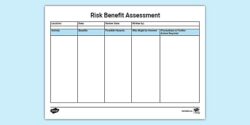
Here are the key components you should consider including in your play area risk assessment template:
- Area Details: Space for the name of the play area, specific location, date of assessment, and the name of the person conducting the assessment.
- Hazard Identification: A clear section or column to list all identified hazards, providing a concise description of each potential danger.
- Who Might Be Harmed and How: Details on who could be affected (e.g., children of certain age groups, parents, staff) and the nature of potential harm (e.g., falls, cuts, entrapment).
- Existing Control Measures: Document what safety measures are already in place to mitigate the identified hazards, such as soft fall surfacing, guardrails, or age-appropriate equipment.
- Risk Rating: A method to score or categorize the risk (e.g., low, medium, high) based on the likelihood and severity of harm. This helps prioritize actions.
- Further Actions Required: A section to outline any additional steps needed to reduce or eliminate the risk, including specific tasks, the person responsible, and a target completion date.
- Review Date: A scheduled date for when the risk assessment will be reviewed and updated, ensuring ongoing vigilance and adaptation to changes.
Remember that a template is a living document. It should be reviewed regularly, especially after any incidents, changes to the play area, or modifications in equipment. The insights gained from each assessment should inform improvements, making your template and your play area safer over time. Continuous improvement is the hallmark of truly effective safety management, ensuring that every child who steps onto your play area is met with a meticulously maintained and thoughtfully assessed environment.
Ultimately, investing time in creating and utilizing a robust system for evaluating play area safety is an investment in the well-being of the children who will use it. By taking a proactive approach, identifying hazards, and implementing effective controls, you are not only meeting your obligations but also contributing to the creation of genuinely safe and enriching spaces for our youngest generations. A comprehensive template provides the structure needed to turn good intentions into tangible safety outcomes, fostering environments where laughter and growth are the only things that truly thrive.