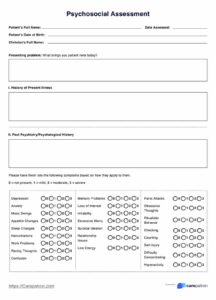
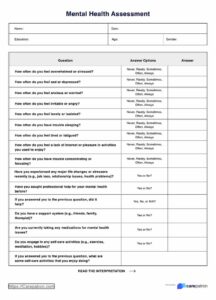
Embarking on a journey to understand someone’s mental health and overall well-being is a profound and intricate process. It requires more than just listening; it demands a structured yet empathetic approach to gather essential information that paints a comprehensive picture of their life, challenges, and strengths. This initial step is critical for effective treatment planning and ensures that care is truly tailored to the individual.
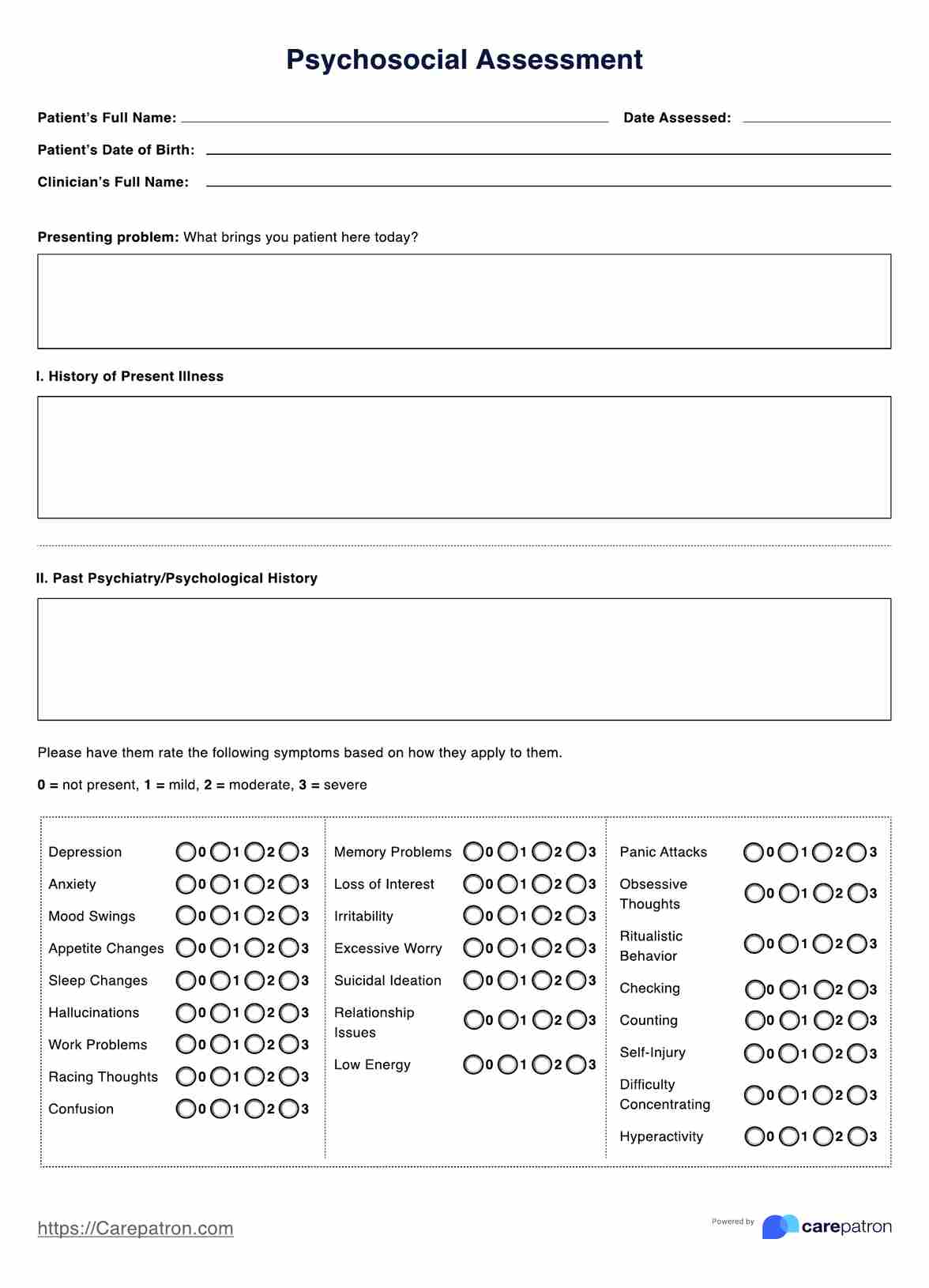
In the complex landscape of mental health care, a well-designed framework can make all the difference. It helps professionals systematically explore the various dimensions of a person’s life that influence their mental state, from their personal history and social environment to their current symptoms and coping mechanisms. This is precisely where a robust mental health psychosocial assessment template becomes an invaluable tool, guiding practitioners through a thorough exploration of crucial aspects.
Understanding the Pillars of a Comprehensive Psychosocial Assessment
A comprehensive psychosocial assessment is the cornerstone of effective mental health intervention. It’s not just about identifying symptoms; it’s about understanding the individual within their unique life context. This assessment delves deep into a person’s biological, psychological, and social factors that contribute to their current mental health status, helping clinicians formulate an accurate diagnosis and develop a truly person-centered treatment plan. Without this detailed understanding, interventions might miss critical underlying issues or fail to leverage the client’s existing strengths.
The process typically begins with understanding the client’s presenting problem – what brought them into care – but quickly expands to cover a much broader spectrum. It considers the past as much as the present, exploring how previous experiences, relationships, and environments have shaped the individual. It’s a holistic approach that acknowledges the interconnectedness of various life domains and their impact on mental well-being. A good assessment ensures no stone is left unturned, providing a solid foundation for all subsequent therapeutic work.
Structured tools, like a mental health psychosocial assessment template, are instrumental in ensuring consistency and thoroughness across all client interactions. They help practitioners remember to ask crucial questions, document findings systematically, and ensure that all necessary areas are covered, even when time is limited or the client presents with complex needs. This standardization not only benefits the client by ensuring a high quality of care but also aids in clinical supervision, peer review, and research.
Key Areas Explored in an Assessment
A typical psychosocial assessment delves into several critical domains to gather a complete picture. These areas provide the necessary context to understand a client’s challenges and strengths:
* Presenting Problem and History of Presenting Problem
* Psychiatric History (including previous diagnoses, treatments, hospitalizations)
* Medical History (including current medications and physical health conditions)
* Substance Use History (past and current use of alcohol, illicit drugs, prescription medications)
* Family History (mental health, substance use, significant relationships)
* Social History (housing, employment, education, social supports, legal issues)
* Developmental History (key milestones, early life experiences, trauma)
* Strengths and Resources (coping skills, support systems, personal interests, cultural assets)
* Risk Assessment (suicidal ideation, homicidal ideation, self-harm, neglect, abuse)
* Cultural and Spiritual Considerations (beliefs, practices, identity)
* Mental Status Examination (appearance, mood, affect, thought process, cognition)
* Formulation (summary and clinical hypothesis linking all gathered information)
* Treatment Plan (initial goals and interventions)
This comprehensive data collection is pivotal. It informs not only the immediate treatment strategies but also any long-term support plans, referrals to other services, and ongoing risk management. The depth of understanding derived from such an assessment directly correlates with the effectiveness and sustainability of the support provided.
The Indispensable Value of a Structured Assessment Template
In the busy world of mental health practice, a robust mental health psychosocial assessment template isn’t just a convenience; it’s a necessity. It brings order to what can often be a complex and emotionally charged interview, ensuring that crucial information isn’t overlooked due to oversight or time constraints. For both seasoned professionals and those new to the field, it provides a reliable roadmap, guiding them through the intricate pathways of a client’s life story.
One of the primary benefits of using a template is the consistency it fosters across an organization or among practitioners. When everyone uses a similar framework for gathering information, it ensures that all clients receive a baseline level of comprehensive assessment, regardless of which clinician they see. This standardization is vital for quality assurance, allowing for easier comparison of client progress and more effective interdisciplinary collaboration when multiple professionals are involved in a client’s care.
Furthermore, a well-designed template is a powerful time-saving tool. Instead of clinicians having to create a new structure for each assessment or rely solely on memory, the template provides a ready-made format. This efficiency allows practitioners to focus more on the therapeutic interaction and less on the administrative task of organizing their thoughts and questions. It streamlines the documentation process, leading to more accurate and complete records, which are essential for clinical, legal, and billing purposes.
Ultimately, the use of a comprehensive mental health psychosocial assessment template elevates the standard of care. It empowers clinicians to make more informed decisions, to identify risk factors and protective factors more accurately, and to develop treatment plans that genuinely reflect the client’s unique needs and circumstances. By providing a systematic approach to understanding the whole person, these templates are instrumental in fostering better outcomes and promoting holistic well-being for those seeking mental health support.
The meticulous gathering of information at the outset lays a strong foundation for a client’s journey towards healing and stability. It ensures that interventions are not just responsive to immediate crises but are also strategically aligned with long-term recovery goals, honoring the complexity and individuality of each person.