In the sensitive and often complex world of hospice care, social workers play an absolutely vital role. They are the compassionate navigators, helping patients and their families move through some of life’s most challenging moments. From emotional support and grief counseling to practical assistance with resources and end-of-life planning, a social worker’s scope is broad and deeply impactful. Ensuring that every aspect of a patient’s well-being is considered is paramount, making a thorough initial assessment an indispensable tool in providing holistic care.

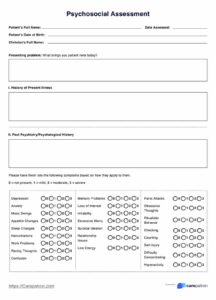
However, conducting such a comprehensive assessment can be daunting without a clear framework. That’s where a structured approach, like utilizing a robust hospice social work assessment template, truly shines. It provides a roadmap, guiding social workers through critical areas of inquiry, ensuring consistency, and helping to identify all the unique needs, strengths, and wishes of each individual and their family. This structured method not only streamlines the assessment process but also elevates the quality of care delivered, ensuring nothing important falls through the cracks during such a delicate time.
Why a Structured Hospice Social Work Assessment is Essential
The journey through hospice care is profoundly personal and multifaceted. Patients and their families face an array of challenges that extend far beyond physical symptoms. They grapple with profound emotional distress, spiritual questions, and often, significant practical concerns ranging from financial strain and legal issues to daily caregiving logistics and bereavement support. Without a systematic way to gather and organize this crucial information, even the most dedicated social worker might inadvertently overlook an area of need, potentially impacting the overall comfort and dignity of the patient.
An organized assessment acts as a safety net, ensuring that every facet of the patient’s and family’s experience is explored. It allows the social worker to delve into psychosocial history, family dynamics, coping mechanisms, spiritual beliefs, and even cultural considerations, all of which heavily influence how individuals experience illness and loss. By following a structured format, the social worker can systematically uncover these intricate layers, painting a complete picture of the situation rather than just fragmented observations.
Furthermore, a well-documented assessment is invaluable for interdisciplinary team communication. Hospice care thrives on collaboration, with nurses, doctors, chaplains, and volunteers working in concert. When a social worker’s assessment is clear, comprehensive, and consistently organized, it facilitates seamless information sharing, allowing the entire team to understand the patient’s non-medical needs, set realistic goals, and develop an integrated care plan that addresses the whole person. It serves as a living document, evolving with the patient’s needs and ensuring continuity of care.
Ultimately, a robust assessment framework not only enhances patient care but also supports the social worker. It streamlines documentation, ensures compliance with regulatory standards, and provides a baseline for tracking changes and interventions over time. It transforms the often-overwhelming task of gathering sensitive information into an efficient, empathetic process that benefits everyone involved, reinforcing the critical role of social work in the hospice setting.
Key Components of a Comprehensive Assessment
- Patient Demographics and Contact Information
- Reason for Referral and Initial Concerns
- Medical History and Current Prognosis (brief, relevant points)
- Psychosocial History (family, relationships, education, occupation)
- Family Dynamics and Caregiver Support System
- Emotional and Psychological State (coping mechanisms, anxiety, depression)
- Spiritual Beliefs and Practices
- Financial Concerns and Resources
- Legal and Ethical Considerations (advance directives, power of attorney)
- Practical Needs (transportation, equipment, daily living assistance)
- Grief and Bereavement Support Needs
- Safety Concerns (abuse, neglect, self-harm ideation)
- Goals of Care and Patient Preferences
Crafting Your Own Effective Hospice Social Work Assessment Template
While the idea of a comprehensive hospice social work assessment template might sound rigid, its true power lies in its adaptability. No two patients, families, or hospice organizations are exactly alike, meaning that a truly effective template serves as a dynamic framework rather than a static questionnaire. It should be designed to be comprehensive enough to cover all essential areas, yet flexible enough to be tailored to individual circumstances and the specific needs of your patient population or the unique services offered by your agency. Starting with a solid foundation and then iteratively refining it based on field experience and feedback from your team is often the best approach.
When developing or customizing your hospice social work assessment template, think about the core information that is consistently needed for every patient, and then build outwards. Consider including sections that prompt open-ended questions, encouraging patients and families to share their stories in their own words, which often uncovers deeper needs that a simple checkbox might miss. Integrating sections for cultural considerations and specific spiritual practices can also ensure that care is delivered in a sensitive and respectful manner, honoring each individual’s background and beliefs.
The practical benefits of a well-designed template are immense. It saves invaluable time during the assessment process, allowing social workers to focus more on direct patient interaction and less on trying to remember every single question to ask. It ensures consistency across all assessments conducted by different social workers within an organization, leading to more reliable data for care planning and program evaluation. Moreover, a consistent template simplifies the onboarding of new staff, providing a clear guide to the expected standards of assessment and documentation. This structured approach, using a reliable hospice social work assessment template, ultimately contributes to higher quality, more coordinated care for everyone involved.
Ultimately, the goal is to create a template that not only collects necessary information but also helps the social worker to synthesize that information into actionable insights for the care team. It should facilitate the identification of strengths and resources, in addition to needs and challenges, fostering a more empowering and person-centered approach to care. By carefully considering what truly matters in the end-of-life journey and designing your template to reflect those priorities, you can significantly enhance the impact of your social work interventions.
The profound difference that skilled social work makes in hospice care cannot be overstated. By offering a beacon of support, guidance, and practical assistance, social workers help to ensure that individuals and their loved ones can navigate the final chapter of life with as much peace, dignity, and comfort as possible. Their ability to connect deeply, listen intently, and advocate effectively is a cornerstone of truly holistic end-of-life care.
Having a well-crafted, comprehensive framework like a dependable hospice social work assessment template is not merely a bureaucratic tool; it is an extension of that compassionate care. It empowers social workers to perform at their best, ensuring that every facet of a person’s experience is acknowledged and addressed, allowing for care plans that genuinely reflect individual needs and wishes. This meticulous attention to detail ensures that no one feels overlooked during their most vulnerable moments, ultimately enriching the experience for patients, families, and caregivers alike.