In today’s complex global food supply chain, ensuring the safety of our food goes beyond traditional food safety protocols. We’re talking about actively protecting our food from intentional acts of contamination or adulteration, whether driven by ideology, economic gain, or malice. This crucial aspect is known as food defense, and it requires a systematic, vigilant approach to identify and mitigate potential threats before they can materialize.

For any food business, from farm to fork, having a robust food defense plan isn’t just a good idea; it’s a vital necessity. It’s about being prepared, understanding your vulnerabilities, and putting safeguards in place to protect your products, your consumers, and your brand reputation. That’s where a well-structured food defense risk assessment template becomes an indispensable tool, guiding you through the process of systematically evaluating potential risks.
Understanding Food Defense and Risk Assessment Fundamentals
Food defense refers to the efforts taken to prevent intentional contamination or adulteration of food products. Unlike food safety, which typically focuses on unintentional hazards like bacteria or allergens, food defense zeroes in on deliberate acts. These acts could range from bioterrorism and economic adulteration (like diluting olive oil with cheaper oils) to disgruntled employee sabotage. The stakes are incredibly high, making a proactive stance absolutely essential for any entity involved in the food industry.
A risk assessment, in this context, is the process of identifying potential threats, evaluating their likelihood and impact, and determining the overall risk level. It’s not about guessing; it’s about a methodical investigation into every point in your operation where a vulnerability might exist. Without a clear understanding of these vulnerabilities, any defense strategy would be akin to throwing darts in the dark. A comprehensive assessment helps you prioritize resources and focus your efforts where they’re most needed.
It’s also important to differentiate between food safety and food defense, although they are often intertwined and mutually supportive. Food safety is largely concerned with preventing accidental harm, whereas food defense is about preventing deliberate harm. Both are critical for consumer trust and regulatory compliance, but they demand different mindsets and approaches to risk identification. A robust food defense program complements and strengthens existing food safety management systems, creating a more holistic protection strategy.
The proactive nature of a good food defense risk assessment cannot be overstated. Waiting for an incident to occur is simply not an option. By regularly assessing and updating your defense plans, you stay ahead of potential threats, adapt to changing circumstances, and demonstrate a commitment to safeguarding the food supply. This continuous cycle of assessment, planning, implementation, and review forms the backbone of an effective food defense strategy, ensuring you are always one step ahead.
Key Components of a Robust Food Defense Program
- Vulnerability Assessment: Systematically identifying weak points in your operations where intentional adulteration could occur.
- Mitigation Strategies: Developing and implementing specific measures to reduce or eliminate identified vulnerabilities.
- Employee Training: Educating staff on food defense principles, their roles, and reporting suspicious activities.
- Monitoring and Verification: Regularly checking that defense measures are effective and being followed.
- Incident Response Planning: Preparing for how to react if a food defense incident actually happens.
Crafting and Utilizing Your Food Defense Risk Assessment Template
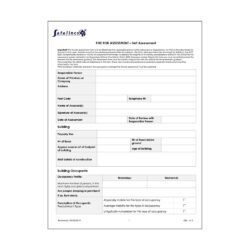
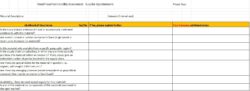
An effective food defense risk assessment template isn’t just a checklist; it’s a structured framework that guides your team through the complex process of identifying, analyzing, and mitigating food defense vulnerabilities. Such a template provides consistency, ensures all critical areas are covered, and facilitates clear documentation, which is vital for compliance and continuous improvement. It streamlines what could otherwise be an overwhelming task, breaking it down into manageable, actionable steps for your organization.
When developing or selecting a food defense risk assessment template, consider its adaptability to your specific operations. Every facility, supply chain, and product line has unique characteristics and therefore unique vulnerabilities. A good template allows for customization while still providing a strong foundational structure. It should prompt you to think critically about everything from personnel security and physical access controls to raw material sourcing and waste management practices.
Using the template involves a systematic walkthrough of your entire facility and supply chain. This means examining each stage, from receiving raw ingredients to shipping finished products, and considering where intentional contamination could occur. It requires a multidisciplinary team, including individuals from operations, quality assurance, security, and human resources, to provide diverse perspectives and comprehensive insights into potential weaknesses. Their combined knowledge will lead to a more accurate and complete assessment.
The ultimate goal of using a food defense risk assessment template is not merely to identify risks but to formulate practical, effective mitigation strategies. Once vulnerabilities are highlighted, the template should help you document proposed actions, assign responsibilities, and set timelines for implementation. Regular review and updates of your completed assessment are equally important, as threats and operational conditions can change over time, necessitating adjustments to your defense plan.
- Identify Assets and Critical Infrastructure: What needs protecting?
- Conduct Threat Assessment: What types of intentional acts could occur?
- Perform Vulnerability Analysis: Where are the weak points in your system?
- Evaluate Existing Control Measures: What safeguards are already in place?
- Determine Likelihood and Impact: How probable is an event, and what would be the consequences?
- Assess Risk Level: Combining likelihood and impact to prioritize risks.
- Develop Mitigation Actions: What steps will be taken to reduce risk?
- Document and Review: Maintain records and periodically update the assessment.
Implementing a robust food defense strategy, aided by a comprehensive food defense risk assessment template, is a testament to an organization’s commitment to safety and integrity. It equips businesses with the foresight and tools needed to navigate the ever-evolving landscape of food security challenges. By embracing this proactive approach, companies not only protect their products and consumers but also reinforce their reputation as responsible and reliable members of the food industry.
This diligent preparation and ongoing vigilance create a more resilient food supply chain for everyone. It demonstrates a profound understanding that protecting our food requires constant attention, continuous improvement, and the strategic application of well-developed tools like a tailored risk assessment framework. The security of our food supply is a shared responsibility, and every step taken to fortify it contributes to a safer world.