Navigating the complex landscape of financial regulations can often feel like a tricky maze, especially when it comes to the crucial area of fair lending. It’s not just about ticking boxes; it’s about upholding ethical principles, ensuring equal access to credit, and building trust within your community. Financial institutions, regardless of size, bear a significant responsibility to demonstrate that their lending practices are fair, transparent, and non-discriminatory.

Given the increasing scrutiny from regulatory bodies and the vital importance of maintaining a stellar reputation, proactive measures are not just recommended, they are essential. This is where a well-structured internal review process comes into play, helping you to systematically examine your operations and identify any areas that might pose a fair lending risk. A comprehensive fair lending self assessment template serves as your roadmap for this critical journey.
Understanding the Core of Fair Lending Self-Assessments
At its heart, a fair lending self-assessment is an internal, systematic review undertaken by a financial institution to evaluate its lending practices for compliance with fair lending laws and regulations. Think of it as an internal audit, but specifically focused on ensuring that all applicants are treated equally, regardless of their protected characteristics such as race, color, religion, national origin, sex, marital status, age, or reliance on public assistance. The primary goal is to identify and mitigate any potential discriminatory patterns, whether overt or unintentional, before they become serious issues.
Why is this internal scrutiny so incredibly important? Firstly, there’s the regulatory aspect. Agencies like the CFPB, DOJ, and others actively monitor and enforce fair lending laws. Failing to comply can lead to severe penalties, including hefty fines, mandatory restitution, and legal action. Beyond the financial and legal ramifications, there’s the significant impact on your institution’s reputation. Accusations or findings of discriminatory lending can quickly erode public trust, damaging customer relationships and overall market standing.
Moreover, a robust self-assessment fosters a culture of compliance from within. It helps employees understand the importance of fair lending in their daily tasks, from the initial loan application to underwriting decisions and pricing. It encourages everyone to be vigilant and proactive in upholding these standards, ensuring that fair lending principles are deeply embedded in the institution’s DNA rather than just being a set of rules.
This proactive approach not only helps you avoid problems but also positions your institution as a responsible and ethical lender. It’s about more than just avoiding trouble; it’s about actively building a better, fairer financial system for everyone. To truly be effective, your self-assessment should cover a broad range of operational areas.
Key Elements to Include in Your Review Process
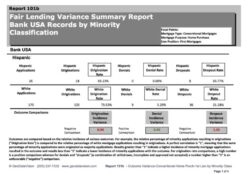
When you undertake a fair lending self-assessment, you’ll want to dive deep into various aspects of your lending operations. This isn’t just about reviewing a handful of loan files; it’s about looking at the entire lifecycle of your lending products from multiple angles. One critical area involves a thorough analysis of your lending data, including loan applications, approvals, denials, withdrawal rates, and even the pricing and terms offered to different groups of borrowers. This quantitative data often reveals patterns that might otherwise go unnoticed.
Consider these essential components to ensure a comprehensive review:
- Review of policies and procedures related to lending decisions, ensuring they are consistently applied and free from bias.
- Analysis of marketing and outreach efforts for potential exclusionary practices or targeting that could inadvertently disadvantage protected groups.
- Assessment of employee training programs on fair lending regulations, confirming that staff are well-informed and understand their responsibilities.
- Examination of compensation structures for lending personnel to ensure incentives do not encourage discriminatory practices.
- Detailed review of complaint handling processes related to fair lending concerns, ensuring all complaints are investigated thoroughly and promptly.
Crafting Your Effective Fair Lending Self-Assessment Template
Developing a fair lending self assessment template isn’t a one-time project; it’s an ongoing commitment to excellence and compliance. The first step involves defining the scope and objectives of your assessment. What specific products, services, or geographic areas will you focus on? What key fair lending risks are most relevant to your institution? Answering these questions upfront will help you tailor your template to your unique needs, making it far more effective than a generic checklist. Remember, a successful template is dynamic and adaptable, not static.
Once the scope is clear, you’ll need to outline the methodology for data collection and analysis. This includes deciding which data points are most critical to gather, how you will collect them, and the analytical tools or techniques you’ll employ to uncover potential disparities. Whether you’re looking at loan origination, underwriting, pricing, or servicing, having a clear plan for data handling is paramount. The goal is to move beyond anecdotal evidence and rely on robust data-driven insights.
A well-designed template also provides a framework for reviewing qualitative aspects of your operations. This means looking at the "human element" – how your staff interacts with applicants, how policies are interpreted in practice, and whether there are any informal practices that could lead to inconsistent treatment. It’s about creating a culture of fairness where every decision maker understands and embraces their role in upholding fair lending principles.
Ultimately, your template should not only help you identify issues but also facilitate the development of clear, actionable plans to address any findings. It’s a tool for continuous improvement, allowing you to track progress over time and demonstrate to regulators (and more importantly, to yourselves) that you are serious about fair lending. Regular reviews, perhaps annually or semi-annually, coupled with ad-hoc assessments when new products or services are introduced, will keep your institution ahead of the curve.
Here are some essential sections you might want to include when building your own fair lending self assessment template:
- Scope and Objectives: Clearly define what the assessment will cover (e.g., product lines, geographies, time periods) and what you aim to achieve.
- Data Collection Plan: Detail what specific data points you will gather (e.g., applications, denials, approvals, demographics, pricing, exceptions) and from which systems.
- Policy and Procedure Checklist: A thorough review of all written policies for fair lending adherence, including underwriting guidelines, pricing matrices, and appeals processes.
- Marketing Material Review: Guidelines for scrutinizing advertising and outreach for any disparate impact or potential exclusionary language or imagery.
- Training and Compensation Evaluation: A section to assess staff understanding of fair lending regulations and evaluate if incentive structures inadvertently encourage discriminatory practices.
- Findings and Action Plan: Crucial sections to document identified issues, their root causes, and outline specific corrective measures, responsible parties, and timelines.
- Reporting Mechanism: How will findings be reported to management, the board of directors, and relevant committees, ensuring transparency and accountability?
Embracing a proactive stance on fair lending is not just about meeting regulatory obligations; it’s about embedding ethical practices into the very fabric of your institution. By regularly scrutinizing your operations, you safeguard your reputation, build deeper trust with your customers, and contribute to a more equitable financial system for all.
Developing and consistently utilizing a thorough fair lending self assessment template is an invaluable investment. It provides the structured approach needed to identify potential vulnerabilities, implement corrective actions, and continuously refine your lending practices, ensuring that fairness remains at the forefront of every decision you make.