Navigating the complexities of the workplace while managing a health condition like epilepsy can be a significant concern for both employees and employers. It’s natural to wonder how to ensure safety, promote inclusion, and comply with legal obligations. Many businesses recognize the immense value of a diverse workforce and are committed to creating an environment where everyone can thrive, and that includes employees with epilepsy.
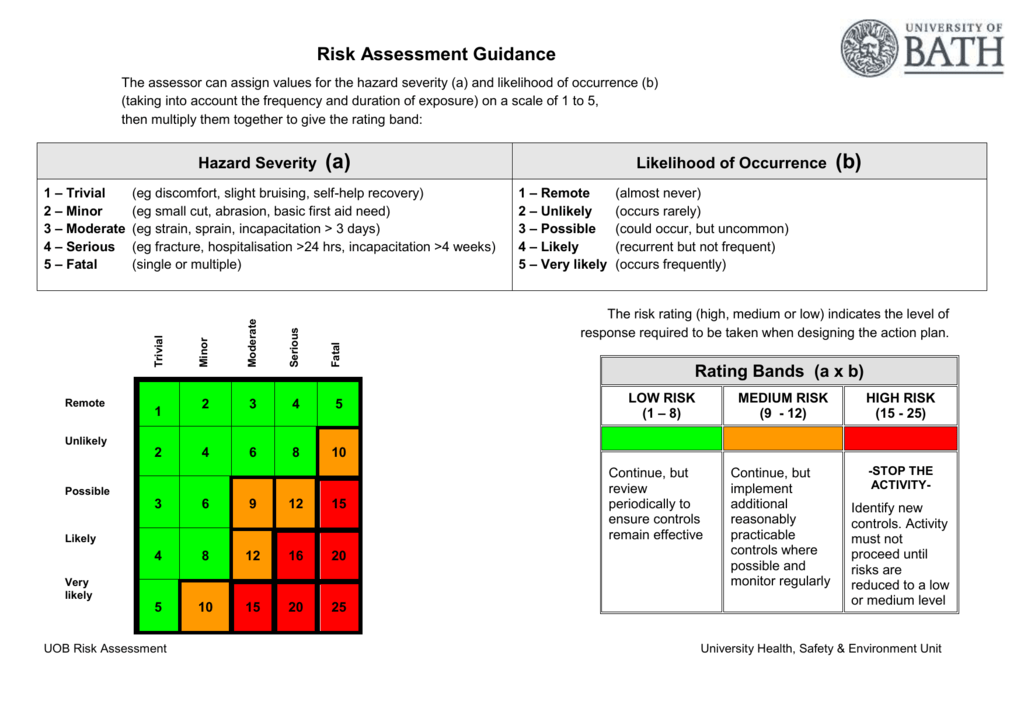
The key to achieving this balance lies in proactive planning and understanding, rather than reacting to situations as they arise. This is where a structured approach becomes invaluable, helping to identify potential risks, implement appropriate adjustments, and foster open communication. A well-thought-out plan ensures that an employee with epilepsy can perform their job safely and effectively, while also providing peace of mind for the employer and colleagues.
Understanding Epilepsy in the Workplace
Epilepsy is a neurological condition characterized by recurrent seizures, which can vary greatly in type and frequency from person to person. It’s not a ‘one-size-fits-all’ condition, and understanding this variability is the first step toward effective workplace management. Some individuals might experience very rare seizures, while others might have them more frequently. The impact of a seizure can also differ significantly, ranging from brief moments of altered awareness to more pronounced physical manifestations.
Many employers initially worry about the safety implications or the practicalities of employing someone with epilepsy. However, it’s important to remember that with proper assessment and adjustments, most individuals with epilepsy can work safely and productively in a wide range of roles. Blanket restrictions or assumptions can be discriminatory and are often unnecessary. Instead, the focus should always be on the individual’s specific circumstances and how their condition might uniquely interact with their job tasks and work environment.
A comprehensive risk assessment isn’t about finding reasons to exclude someone; it’s about finding ways to include them safely. It’s a collaborative process that involves understanding the employee’s specific seizure triggers, types, and recovery times, as well as the demands of their role and the physical layout of the workplace. This holistic view allows for tailored solutions that genuinely support the employee while mitigating any genuine risks.
The goal is to create an environment where the employee feels supported and confident, and where colleagues are informed and prepared. It also ensures the employer meets their duty of care and legal responsibilities, promoting a truly inclusive and safe working culture for everyone. This proactive approach helps to demystify epilepsy and build a foundation of trust and understanding within the team.
Key Elements for a Thorough Assessment
- Individualized Approach: Focus on the specific person and their epilepsy, not general assumptions.
- Job Role Analysis: Break down the job tasks and identify any specific activities that might pose a higher risk during a seizure.
- Work Environment Review: Assess the physical space, machinery, working at heights, lone working, or driving responsibilities.
- Seizure Management Plan: Document what happens during a seizure, how to help, and what to do afterwards.
- Emergency Procedures: Ensure all relevant staff know what to do in case of a seizure at work.
- Communication: Establish open lines of communication with the employee and, with their consent, relevant colleagues or management.
Implementing Your Epilepsy At Work Risk Assessment Template Effectively
Once you have a grasp of the individual’s condition and the workplace context, putting your epilepsy at work risk assessment template into action becomes the next crucial step. This isn’t just a paperwork exercise; it’s about creating a living document that guides your actions and ensures ongoing safety and support. The template should be a practical tool that helps you systematically identify potential hazards, evaluate the likelihood and severity of risks, and then implement control measures to reduce or eliminate those risks.
Effective implementation often begins with a conversation. Sit down with the employee to discuss the findings of the assessment. This collaborative approach ensures that the adjustments made are practical, acceptable to the employee, and genuinely address their needs. Remember, the employee is the expert on their own condition, and their input is invaluable. Together, you can agree on reasonable adjustments, which might include anything from adjusting work schedules to provide adequate rest, modifying tasks, or ensuring colleagues are trained in basic seizure first aid.
Training and awareness for colleagues are vital components of successful implementation. Many people are unsure how to react during a seizure, and providing basic first aid training can significantly reduce anxiety and improve outcomes. Simple guidelines, like staying calm, protecting the person from injury, and timing the seizure, can make a huge difference. This not only benefits the employee with epilepsy but also creates a more informed and supportive team culture.
Finally, it’s important to recognize that an epilepsy at work risk assessment template is not a one-time task. Epilepsy can change over time, and job roles or work environments might also evolve. Therefore, regular reviews are essential. Schedule periodic check-ins, perhaps annually or whenever there’s a significant change in the employee’s condition, their role, or the workplace. This ongoing vigilance ensures that the assessment remains relevant and effective, continually fostering a safe and inclusive environment.
- Collaborative Review: Always discuss the template’s outcomes and adjustments with the employee concerned.
- Document Adjustments: Clearly record all agreed-upon reasonable adjustments and who is responsible for implementing them.
- Communication Plan: Decide how and when to communicate relevant information to colleagues, always with the employee’s consent.
- Emergency Protocol: Clearly outline what to do if a seizure occurs at work, including who to contact and where first aid supplies are.
- Regular Updates: Set a schedule for reviewing the risk assessment, especially after any changes to health, role, or environment.
- Training for Colleagues: Arrange for basic seizure first aid training or awareness sessions for relevant team members.
By thoughtfully applying an epilepsy at work risk assessment template, employers can move beyond compliance and towards truly inclusive practices. It demonstrates a commitment to employee well-being and fosters a workplace where individuals feel valued, understood, and safe. This proactive stance not only benefits the employee directly but also enriches the entire organizational culture by promoting empathy and support.
Ultimately, the goal is to create an environment where epilepsy is just one aspect of a person, not a barrier to their potential. A well-executed risk assessment process helps to unlock that potential, enabling individuals to contribute their skills and talents fully, without undue concern for their safety or the need to hide their condition. It’s about building a workplace that supports everyone.