Navigating the complexities of protecting high-profile individuals, whether corporate leaders, public figures, or high-net-worth families, requires a sophisticated and proactive approach. In today’s interconnected world, threats are constantly evolving, ranging from physical security concerns to cyber vulnerabilities and reputational risks. Simply reacting to incidents is no longer sufficient; a robust, foresight-driven strategy is absolutely essential to ensure the safety and continuity of operations for those who are most vulnerable.

This is where a structured methodology comes into play, providing a clear pathway to identify, analyze, and mitigate potential dangers. Having a well-defined process doesn’t just make the task easier; it ensures consistency, thoroughness, and adaptability. Utilizing an effective executive protection risk assessment template is the cornerstone of developing such a strategy, allowing security professionals to systematically evaluate an individual’s threat landscape and tailor protection plans accordingly.
Why a Robust Risk Assessment is Non-Negotiable for Executive Protection
When we talk about executive protection, it’s not merely about assigning a bodyguard. It’s a comprehensive discipline that demands a deep understanding of potential threats and vulnerabilities. Without a detailed risk assessment, any protective measures implemented are essentially guesswork, leaving significant gaps that could be exploited. Think about it: how can you protect someone effectively if you don’t fully understand who might target them, why, and through what means? A thorough risk assessment moves beyond assumptions, grounding the protection strategy in data and analysis.
The scope of risks today extends far beyond traditional physical threats. Executives face potential harm from cyberattacks, which can compromise personal information and corporate data, leading to financial loss or even direct physical threats through location tracking. Reputational damage, facilitated by misinformation campaigns online, can also severely impact an individual’s standing and company stability. Furthermore, travel risks, public appearances, and even family activities all present unique challenges that must be systematically evaluated.
A solid risk assessment provides a clear snapshot of these diverse threats, allowing security teams to prioritize resources and develop targeted mitigation strategies. It acts as a compass, guiding the entire executive protection program. Without this crucial step, protection efforts might focus on less probable scenarios while overlooking very real and imminent dangers, creating a false sense of security. It’s really about being proactive rather than reactive, predicting potential issues before they materialize.
Key Elements of a Thorough Assessment
- Threat Identification: Pinpointing specific individuals, groups, or events that could pose a danger.
- Vulnerability Analysis: Evaluating weaknesses in an individual’s or organization’s defenses, both physical and digital.
- Impact Analysis: Determining the potential consequences if a threat materializes, considering physical, financial, and reputational harm.
- Likelihood Estimation: Assessing the probability of a specific threat occurring.
- Mitigation Strategies: Developing concrete plans and countermeasures to reduce identified risks.
Each of these elements plays a vital role in constructing a holistic view of the risk landscape. By meticulously examining each point, security professionals can move past generalizations and focus on the precise threats an executive faces, crafting an intelligent, adaptable, and highly effective protection plan.
Building Your Own Executive Protection Risk Assessment Template
Creating or adapting an effective executive protection risk assessment template is less about finding a one-size-fits-all solution and more about crafting a dynamic tool that can be tailored to specific individuals and evolving circumstances. The beauty of a template lies in its structure, providing a consistent framework while remaining flexible enough to incorporate unique details. Think of it as a detailed checklist that ensures no stone is left unturned, guiding you through a systematic process of identifying, evaluating, and planning for risks.
The journey begins with comprehensive data gathering. This involves understanding the executive’s public profile, travel habits, digital footprint, and any specific industry or personal challenges that might elevate their risk profile. For instance, an executive in a controversial industry might face different threats than a philanthropy leader. The template should prompt for this information, ensuring all relevant data points are collected at the outset, forming the foundation of your assessment.
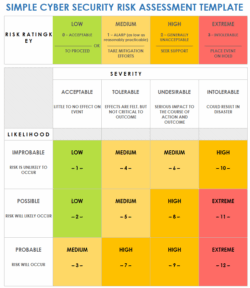
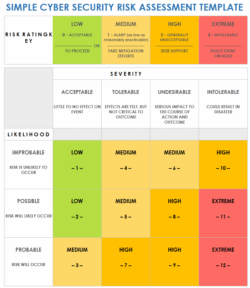
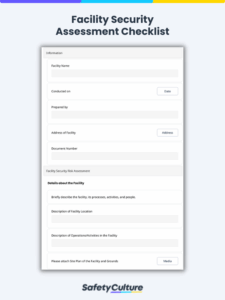
Once information is gathered, the template helps you categorize and quantify risks. This often involves assigning scores for both the likelihood of a threat occurring and the potential impact if it does. This numerical approach provides a clearer picture of the most critical risks, allowing you to prioritize your focus. A well-designed template will include sections for physical security (home, office, travel), cyber security (devices, networks, online presence), and even reputational risk management.
- Gathering Information: Collect data on the executive’s schedule, public profile, travel plans, digital presence, and any known threats or concerns.
- Categorizing Risks: Group potential threats into logical categories, such as physical, cyber, reputational, and financial.
- Assigning Likelihood and Impact Scores: Evaluate each identified risk based on how likely it is to occur and the severity of its potential consequences.
- Developing Mitigation Plans: Outline specific strategies and countermeasures for each significant risk, including personnel, technology, and protocols.
- Review and Update Schedule: Establish a regular schedule for reviewing and updating the assessment to reflect changing circumstances.
Remember, risks are not static. What might be a low threat today could escalate tomorrow. Therefore, your executive protection risk assessment template should also incorporate a review cycle. This ensures that the assessment remains current, adaptable, and continuously relevant to the dynamic threat landscape, allowing for timely adjustments to protective measures as situations evolve.
Implementing a structured approach to risk assessment is not just a best practice; it’s a fundamental requirement for effective executive protection. It transforms what could be a daunting, complex task into a manageable, systematic process, ensuring that all aspects of an individual’s security are meticulously considered. This detailed foresight allows security teams to move beyond reactive measures, proactively building layers of defense tailored to specific, identified threats.
Ultimately, the goal is to provide a comprehensive shield that protects individuals from a multitude of dangers, both seen and unseen. By consistently applying a thorough risk assessment methodology, organizations and security professionals can instill confidence, mitigate potential harm, and foster an environment where high-profile individuals can operate effectively and safely, knowing their well-being is safeguarded with precision and foresight.