Navigating the complex landscape of digital threats can feel like trying to solve a puzzle with missing pieces. Every organization, regardless of its size or industry, faces a unique set of cyber risks. Understanding these vulnerabilities and potential impacts isn’t just good practice; it’s a fundamental necessity for survival in today’s interconnected world. This is where a structured approach becomes invaluable, transforming potential chaos into manageable, actionable insights.
Imagine having a clear roadmap that guides you through identifying, evaluating, and mitigating your specific cyber threats. That’s precisely what a robust cyber security risk assessment template offers. It’s more than just a document; it’s a strategic tool designed to standardize your risk management efforts, ensure consistency, and ultimately bolster your overall security posture. By providing a framework, it helps organizations systematically uncover weaknesses before they can be exploited by malicious actors.
The Essential Building Blocks of a Comprehensive Cyber Security Risk Assessment Template
A truly effective cyber security risk assessment template is built on several foundational elements, each playing a crucial role in providing a holistic view of your risk landscape. It starts with a thorough understanding of what you’re trying to protect. This means meticulously identifying all your critical assets, which can range from sensitive customer data and intellectual property to hardware, software, and even the human element within your organization. Each asset needs to be cataloged and assigned a level of importance based on its value to your business operations.
Once assets are identified, the next step involves pinpointing potential threats. These are the various ways your assets could be compromised, encompassing everything from sophisticated ransomware attacks and phishing attempts to natural disasters or internal human error. It’s about thinking like an attacker and anticipating every possible avenue of exploitation. Coupled with this is the assessment of vulnerabilities – the weaknesses in your systems, processes, or configurations that these threats could leverage. For example, outdated software, weak passwords, or a lack of employee training all represent potential vulnerabilities.
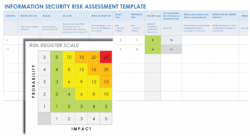
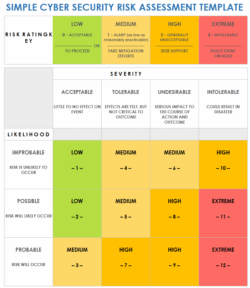
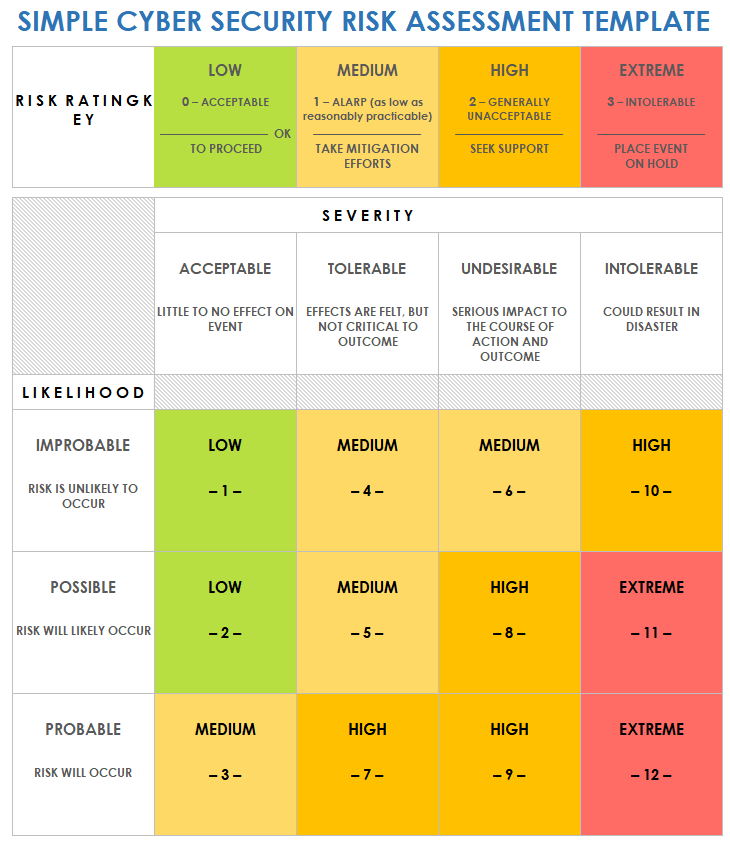
The core of the template then moves into the actual risk analysis, where you evaluate the likelihood of each threat exploiting a vulnerability and the potential impact if it were to occur. This often involves a scoring system, allowing you to prioritize risks based on their severity. A high-likelihood, high-impact risk will naturally demand more immediate attention than a low-likelihood, low-impact one. This structured approach ensures resources are allocated wisely and efforts are focused on the most critical areas.
Finally, a comprehensive cyber security risk assessment template helps you define clear mitigation strategies. For each identified risk, you’ll outline specific actions to reduce its likelihood, lessen its impact, or transfer the risk altogether. This could involve implementing new security controls, updating policies, providing additional training, or even investing in cyber insurance. The goal is not just to identify risks but to arm your organization with a plan to effectively address them, turning potential weaknesses into areas of strength.
Key Sections You’ll Find in the Template
- Asset Identification and Valuation
- Threat Source and Event Identification
- Vulnerability Assessment
- Likelihood and Impact Analysis
- Risk Scoring and Prioritization
- Mitigation Strategy Development
- Responsible Parties and Timelines
- Residual Risk Acceptance
Maximizing the Value of Your Risk Assessment Efforts
Simply having a cyber security risk assessment template isn’t enough; the true value comes from its consistent and thoughtful application. Organizations often find that the process itself fosters a deeper understanding of their operational environment and encourages cross-departmental collaboration. It’s an opportunity for IT, legal, finance, and senior leadership to come together, share insights, and collectively agree on the organization’s risk tolerance and strategic security objectives. This alignment is critical for building a robust and resilient security program.
Moreover, the utility of a template extends far beyond a one-time exercise. Cyber threats are constantly evolving, and so too should your understanding of your risk posture. Regular reviews and updates of your risk assessment are absolutely essential. This means scheduling periodic re-assessments, perhaps annually or whenever significant changes occur within your IT infrastructure, business processes, or regulatory landscape. Staying agile and responsive to emerging threats is a hallmark of strong cyber security.
Using a standardized template also ensures that your risk management activities are consistent across different departments or projects. This consistency not only streamlines the assessment process but also makes it easier to compare risk levels and trends over time. It provides a common language and framework for discussing security risks, facilitating more effective communication with stakeholders, auditors, and regulators. When everyone is on the same page, decision-making becomes faster and more informed.
Ultimately, embracing a cyber security risk assessment template empowers your organization to move from a reactive stance to a proactive one. Instead of waiting for an incident to occur, you’re actively identifying and addressing potential issues beforehand. This forward-thinking approach not only protects your valuable assets and reputation but also helps ensure business continuity, reduces the likelihood of costly breaches, and supports compliance with various industry standards and regulations. It’s an investment in your organization’s future resilience.
Embracing a systematic approach to understanding and managing your digital vulnerabilities is no longer optional in today’s digital age. It’s a fundamental component of responsible business operations, allowing you to make informed decisions that safeguard your most valuable assets. By providing a clear, structured pathway, such a framework equips you with the insights needed to navigate the ever-changing threat landscape with confidence.
Taking the time to implement and regularly review your risk management framework ultimately builds a stronger, more secure foundation for all your digital endeavors. It transforms the daunting task of cyber security into a manageable, ongoing process that protects your organization’s integrity and ensures its continued success in an increasingly connected world.